Cybersecurity Fundamentals
Introduction to Cybersecurity
What Is Cybersecurity?
Cybersecurity is the practice of protecting computers, networks, and data from digital attacks, damage, or unauthorized access. Think of it as the digital equivalent of locking your doors at night. Just as you protect your home, cybersecurity protects your information in a world where almost everything is connected.
This field isn't just about stopping hackers. It covers everything from the security of your personal smartphone to the defense of a country's critical infrastructure, like power grids and financial systems. In our modern world, where we shop, work, and socialize online, the need for robust digital protection has never been greater.

Every email you send, every online purchase you make, and every photo you upload creates a digital footprint. This data is valuable, both to you and to those who might want to exploit it. The sheer volume of information being shared globally means that the number of potential targets for cyberattacks grows every day.
Every connected device is a potential doorway for an attack, making cybersecurity a shared responsibility.
The Core Principles
To bring order to such a complex field, experts rely on a foundational model known as the CIA Triad. This isn't the intelligence agency; it's a set of three core principles that guide all cybersecurity practices: Confidentiality, Integrity, and Availability.
At its core, cybersecurity aims to protect the Confidentiality, Integrity, and Availability of information, a concept often referred to as the CIA Triad.
Understanding these three concepts is the first step to thinking like a security professional. They help define what we are trying to achieve when we protect a system.
Let's break down each component:
-
Confidentiality is about privacy. It ensures that data is accessible only to authorized users. Think of it like a sealed envelope; only the intended recipient should be able to open it and read the letter inside. A breach of confidentiality is when someone snoops on your private information.
-
Integrity means that data is accurate and trustworthy. It guarantees that information has not been altered or tampered with. Imagine a legal contract. Its integrity is crucial; if someone could secretly change the terms after it was signed, it would be worthless. A loss of integrity means your data has been modified without permission.
-
Availability ensures that information and systems are accessible when authorized users need them. If you try to log into your online bank account but the service is down due to an attack, that's a failure of availability. It's like a library being locked during its open hours, preventing you from getting the book you need.
| Principle | Goal | Simple Analogy |
|---|---|---|
| Confidentiality | Keep information secret | A sealed letter |
| Integrity | Keep information accurate | A signed contract |
| Availability | Keep information accessible | A library that's open |
These three principles are often in a delicate balance. For example, making a system extremely confidential with multiple layers of security might make it less available and harder for legitimate users to access quickly. Good cybersecurity involves managing these trade-offs.
A Rising Tide of Threats
The cybersecurity landscape is constantly changing. As technology becomes more integrated into our lives, the opportunities for attackers multiply. Cyber threats are not just growing in number; they are also becoming more sophisticated and organized. What was once the domain of lone hackers has evolved into a global ecosystem that includes criminal organizations and even state-sponsored groups.
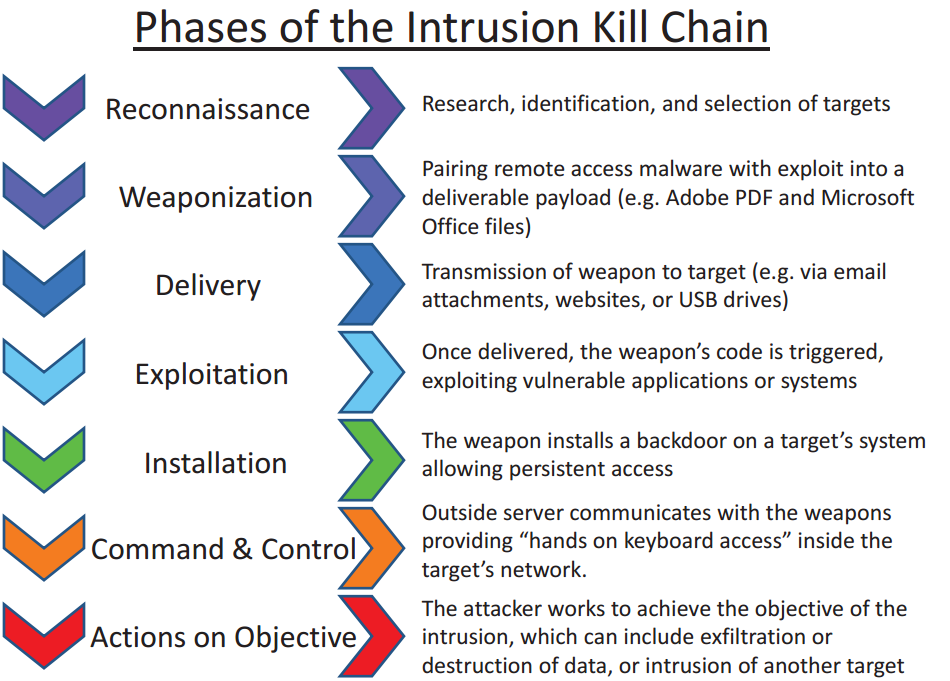
From small businesses to large corporations and government agencies, no one is immune. The constant stream of news about data breaches and cyberattacks serves as a powerful reminder of why cybersecurity has become an essential field in the 21st century. Protecting our digital world is no longer an option—it's a necessity.
What is the primary purpose of cybersecurity?
An attacker secretly modifies a bank's transaction records to change the amount of a money transfer. Which core principle of cybersecurity has been violated?