Cybersecurity Fundamentals
Introduction to Cybersecurity
What Is Cybersecurity?
Cybersecurity is the practice of protecting computers, servers, mobile devices, electronic systems, networks, and data from malicious attacks. Think of it as digital self-defense. In our daily lives, we rely on connected systems for everything from banking and shopping to communicating with friends and family. This convenience comes with a risk: our sensitive information is a target for digital thieves and vandals.
Its importance goes beyond personal data. Power grids, hospitals, and financial markets all depend on secure digital infrastructure. A successful cyberattack on these systems can have serious real-world consequences. Cybersecurity isn't just an IT issue; it's a fundamental part of modern safety and security.
At its core, cybersecurity aims to protect the Confidentiality, Integrity, and Availability of information, a concept often referred to as the CIA Triad.
These three principles form the bedrock of any security strategy. They provide a simple, powerful framework for thinking about what we're trying to protect and why.
Let's break down each component of the triad.
Confidentiality
noun
Ensuring that information is not disclosed to unauthorized individuals, entities, or processes. It's about keeping secrets secret. Access is restricted to those who are allowed to see the data.
Think of confidentiality like a sealed letter. Only the intended recipient should be able to open it and read the contents. If someone else gets a peek, confidentiality is breached.
Integrity
noun
Maintaining the consistency, accuracy, and trustworthiness of data over its entire lifecycle. Data must not be changed in transit, and steps must be taken to ensure that data cannot be altered by unauthorized people.
Integrity is like a legal document with a wax seal. The unbroken seal proves that the document hasn't been tampered with since it was signed. If the seal is broken, you can no longer trust its contents.
Availability
noun
Ensuring that systems, applications, and data are accessible to authorized users when they need them. Information has no value if you can't get to it.
Availability is simple: the service works when you need it to. An ATM is only useful if it's online and can dispense cash. If it's out of service, it has failed the availability test.
Common Cyber Threats
Threats to the CIA triad come in many forms. While the methods are constantly changing, the goals are usually the same: to steal information, disrupt services, or cause damage. Here are a few of the most common types of attacks.
Malware
noun
Short for "malicious software," this is any intrusive software developed by cybercriminals to steal data or damage computer systems. It's a broad category that includes viruses, worms, trojan horses, and ransomware.
Malware often gets onto a device when a user clicks a malicious link or opens a compromised attachment. Once inside, it can do anything from logging your keystrokes to encrypting your files and demanding a ransom to get them back.
Phishing
noun
A type of social engineering attack used to steal user data, including login credentials and credit card numbers. It occurs when an attacker, masquerading as a trusted entity, dupes a victim into opening an email, instant message, or text message.
Imagine receiving an urgent email from your bank asking you to click a link and verify your account details. The website looks legitimate, but it's a fake. When you enter your username and password, you're handing them directly to a criminal.
Denial-of-Service Attack
noun
An attack meant to shut down a machine or network, making it inaccessible to its intended users. DoS attacks accomplish this by flooding the target with traffic or sending it information that triggers a crash.
Think of a DoS attack as a traffic jam deliberately caused to block the entrance to a popular store. Legitimate customers can't get in because the doorway is clogged with people sent by the attacker. The store is still there, but it's not available to anyone who actually wants to shop.
An Evolving Landscape
The world of cybersecurity is a constant cat-and-mouse game. As defenders build better walls, attackers find new ways to get over, under, or through them. New technologies like artificial intelligence and the Internet of Things create new opportunities for both connection and crime.
Staying secure means being aware that the threats are always changing. The principles of confidentiality, integrity, and availability remain the same, but the methods for protecting them must constantly adapt.
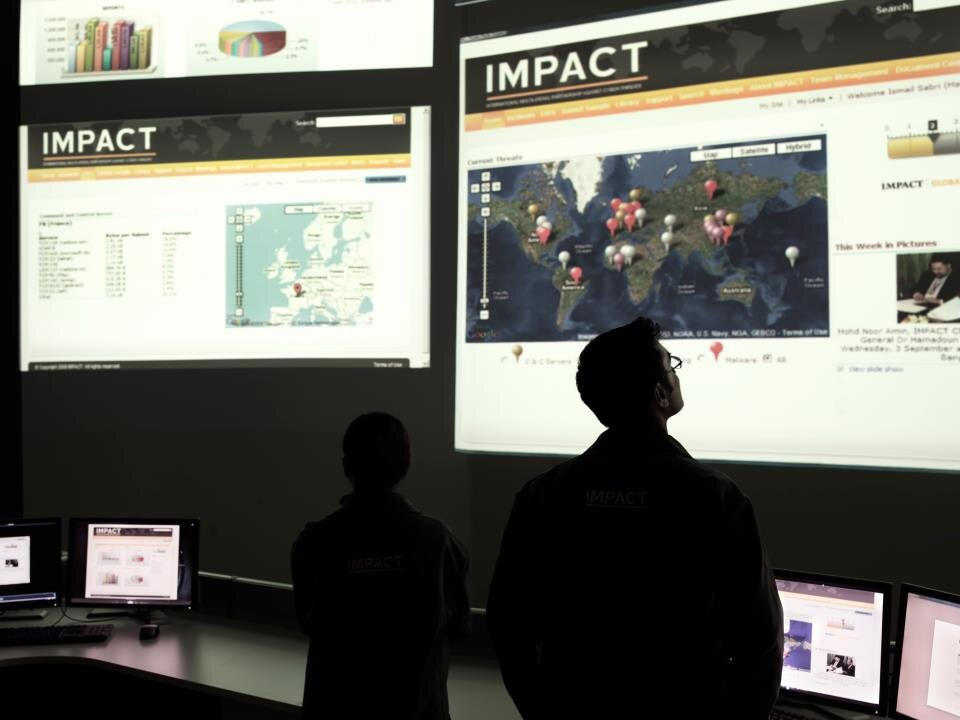
This constant evolution is what makes the field so challenging and so important. It's not about achieving a state of perfect security, but about managing risk and responding effectively to new threats as they appear.
What is the primary goal of cybersecurity?
Which principle of the CIA triad ensures that information is not altered or tampered with?