Cybersecurity Essentials
Introduction to Cybersecurity
What Is Cybersecurity?
Cybersecurity is the practice of protecting computers, networks, and data from digital attacks, damage, or unauthorized access. Think of it like securing your home. You lock your doors and windows to keep intruders out. In the digital world, cybersecurity measures are the locks that protect your personal information, from bank account details to private messages.
Every time you shop online, send an email, or stream a movie, you're relying on cybersecurity. It works behind the scenes to ensure your digital life remains private and secure. Without it, sensitive information could easily fall into the wrong hands, leading to identity theft, financial loss, or other serious problems.
At its core, cybersecurity aims to protect the Confidentiality, Integrity, and Availability of information, a concept often referred to as the CIA Triad.
The Core Principles
To understand how cybersecurity works, professionals focus on three core principles known as the CIA triad. This isn't the government agency; it's a model that helps guide security policies and practices. The three pillars are Confidentiality, Integrity, and Availability.
Let's break down what each of these principles means.
Confidentiality
noun
Ensuring that information is not disclosed to unauthorized individuals, entities, or processes.
Confidentiality is about keeping secrets. It's the digital equivalent of putting a letter in a sealed envelope. Only the intended recipient should be able to read its contents. Technologies like encryption and access controls are used to enforce confidentiality.
Integrity
noun
Maintaining the consistency, accuracy, and trustworthiness of data over its entire lifecycle.
Integrity means ensuring that data hasn't been tampered with or altered. Imagine sending $100 to a friend through a banking app. Data integrity ensures the amount doesn't change to $1,000 or $10 mid-transfer. It guarantees that the information you receive is the same as the information that was sent.
Availability
noun
Ensuring that information and services are accessible to authorized users when needed.
Availability means that systems and data are up and running when you need to access them. If you can't log in to your email or access files stored in the cloud, that's a failure of availability. Cybersecurity isn't just about stopping attackers; it's also about ensuring reliable access for legitimate users.
An Evolving Battlefield
The need for cybersecurity has grown as technology has become more central to our lives. Early cyber threats were often simple viruses created by hobbyists. Today, the landscape is far more complex. Attackers range from individual hackers to organized criminal groups and even nation-states, all with different motivations and resources.
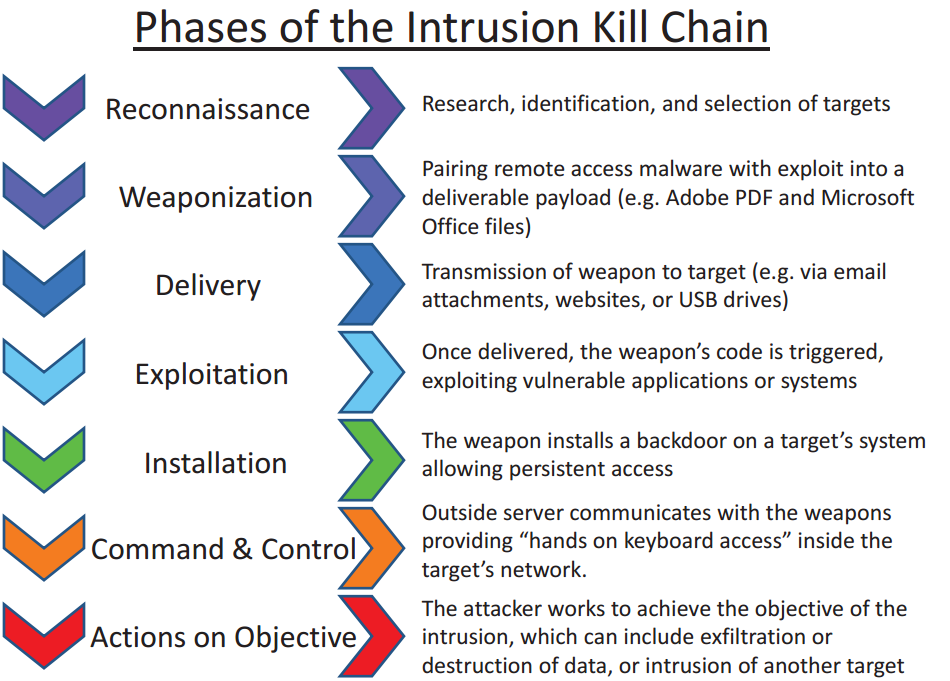
Threats are constantly evolving. What worked to protect a system five years ago might be useless today. This constant cat-and-mouse game is why cybersecurity is such a dynamic field. Professionals must always be learning and adapting to new attack methods.
As our world becomes more interconnected, the importance of robust defense mechanisms grows. Protecting our digital infrastructure is essential for everything from personal privacy to national security.
Ready to check your understanding of these core concepts?
What is the primary goal of cybersecurity?
The CIA triad is a foundational model in cybersecurity. What does the 'I' stand for?
Understanding these foundational ideas is the first step in navigating the digital world safely.