Cybersecurity Analyst Essentials
Cybersecurity Fundamentals
The CIA Triad
At the heart of cybersecurity are three core principles that act as a foundation for everything else. It's known as the CIA triad, which stands for Confidentiality, Integrity, and Availability. Think of these as the three legs of a stool. If any one of them is compromised, the entire security posture becomes unstable.
Confidentiality, integrity, and availability—the CIA triad—are the three pillars of information security.
Let's break them down.
Confidentiality is about keeping secrets. It ensures that sensitive information is not disclosed to unauthorized individuals, entities, or processes. It's like sending a sealed letter; only the intended recipient should be able to open it and read the contents. In the digital world, this is often achieved through encryption, which scrambles data so that only someone with the right key can unscramble it.
Encryption
noun
The process of converting information or data into a code, especially to prevent unauthorized access.
Integrity is about maintaining the consistency, accuracy, and trustworthiness of data. This means the information you're accessing hasn't been altered or tampered with by an unauthorized person. Imagine checking your bank account balance and seeing the correct amount. That's data integrity. If someone could secretly change that number, the integrity of the bank's data would be lost. Cybersecurity professionals use techniques like digital signatures and checksums to verify that data hasn't been corrupted.
Availability ensures that information and systems are accessible to authorized users when they need them. It's about reliability. If you try to use an ATM and it's out of service, that's a failure of availability. For a business, this could mean their website being taken down by a denial-of-service (DoS) attack, preventing customers from making purchases. Ensuring availability involves maintaining hardware, performing regular upgrades, and having backup systems ready to go.
Security Controls
To uphold the principles of the CIA triad, we use security controls. A security control is any safeguard or countermeasure put in place to avoid, detect, or minimize security risks. Think about securing your home. You have locks on the doors, an alarm system, and maybe security cameras. Each of these is a control designed to protect your home in different ways.
In cybersecurity, controls are typically grouped into three categories.
Preventive Controls: These are proactive measures designed to stop an incident from happening in the first place. The lock on your front door is a preventive control. In tech, this includes firewalls that block malicious traffic, strong password policies, and security awareness training for employees.
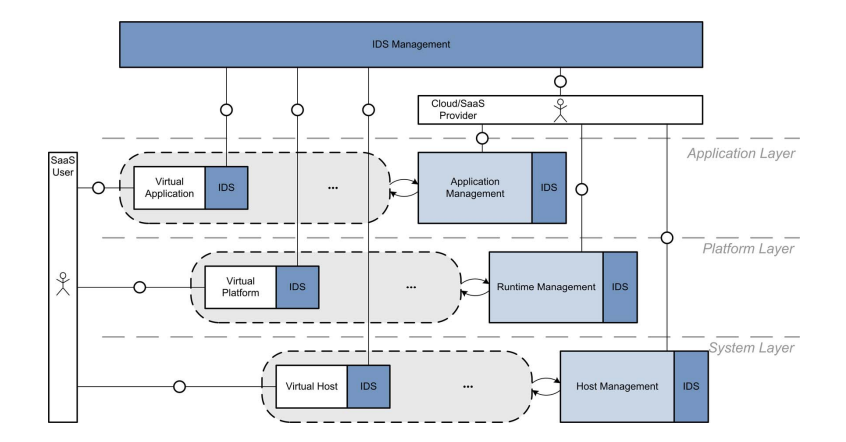
Detective Controls: These controls are designed to identify and report that an incident has occurred. Your home security camera doesn't stop a break-in, but it records the event and alerts you. Intrusion Detection Systems (IDS) are a great digital example. They monitor network traffic for suspicious activity and raise an alarm when they find something.
Corrective Controls: These are implemented after an incident has occurred, with the goal of limiting the damage and restoring systems to normal. If someone breaks into your house, a corrective control would be changing the locks and repairing any damage. In cybersecurity, this could involve restoring data from a backup after a ransomware attack or patching a software vulnerability that was exploited.
| Control Type | Purpose | Digital Example |
|---|---|---|
| Preventive | Stop incidents before they happen | Firewalls, Encryption |
| Detective | Identify incidents as they occur | Intrusion Detection Systems |
| Corrective | Limit damage after an incident | Data Backups, Patches |
The Cybersecurity Analyst
So, who puts all these principles and controls into practice? One of the key players is the Cybersecurity Analyst. Think of them as the digital guardians or detectives on the front lines, protecting an organization's computer networks and systems.

Their job is dynamic and critical. While the specifics can vary, their core responsibilities usually revolve around a few key areas:
-
Monitoring and Detection: They keep a constant watch on security alerts and network traffic. Using specialized tools, they look for any signs of suspicious activity, like an unauthorized login attempt or unusual data transfers.
-
Vulnerability Management: Analysts scan systems and applications for weaknesses, or vulnerabilities, that could be exploited by attackers. Once found, they help prioritize and coordinate the effort to fix them.
-
Incident Triage: When a security alert pops up, it's the analyst's job to investigate. They determine if the alert is a false alarm or a genuine threat. If it's real, they escalate it to the appropriate team for a full response.
-
Reporting: They document their findings, creating reports on security incidents, vulnerabilities, and the overall security posture of the organization. This information helps leadership make informed decisions about security investments and strategies.
These professionals are the first line of defense against cyber threats, tasked with monitoring, detecting, and responding to security incidents.
By understanding the CIA triad and implementing a mix of preventive, detective, and corrective controls, cybersecurity analysts work to protect an organization's most valuable digital assets.
In the context of cybersecurity, what does the 'I' in the CIA triad stand for?
A hospital's electronic health record system is hit by a ransomware attack, making patient files inaccessible to doctors. Which principle of the CIA triad has been most directly compromised?