Cyberpsychology Fundamentals
Introduction to Cyberpsychology
What Is Cyberpsychology?
Every time you scroll through a social media feed, play an online game, or join a video call, you're interacting with a digital world. Cyberpsychology is the study of how these digital environments shape our thoughts, feelings, and behaviors. It explores the human mind in the context of our increasingly technological lives.
Cyberpsychology
noun
The study of the human mind and behavior in the context of human-technology interaction.
Think of it as the psychology of our digital selves. It asks big questions: How does forming friendships online differ from doing so in person? Why can some people spend hours in a virtual world while others don't? What makes information, or misinformation, spread so quickly online? The field covers everything from our online identities and digital relationships to the darker aspects like cyberbullying and internet addiction.
A Field for a New World
As the internet grew from a niche tool for academics into a global force, researchers realized that human behavior was changing along with it. Cyberpsychology emerged in the 1990s to make sense of these shifts. It isn’t just one discipline; it’s a blend of many.
It pulls insights from traditional psychology, sociology (the study of society), communication studies, and computer science. This mix is essential because our digital lives are complex. To understand the impact of a social media platform, for instance, you need to know about both the human brain and the algorithms that power the app.
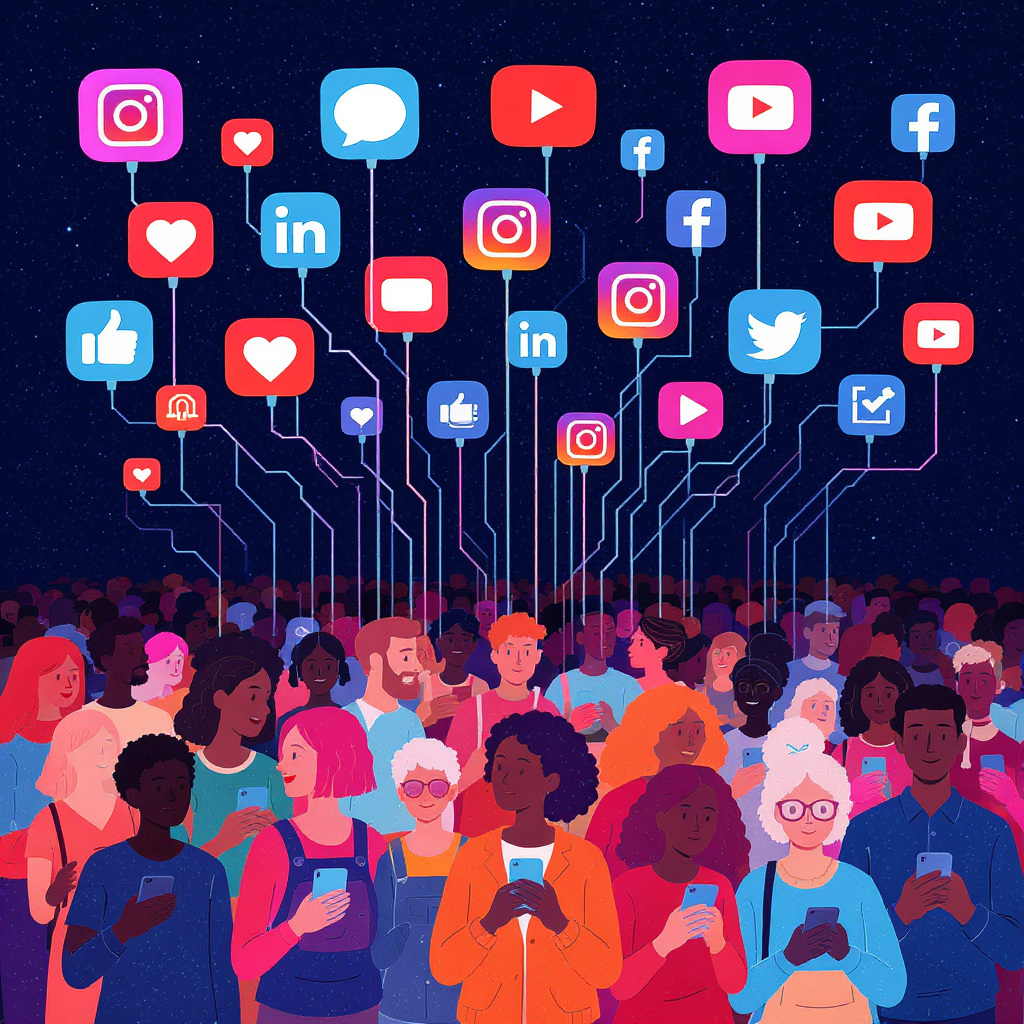
This interdisciplinary approach allows cyberpsychologists to study a wide range of domains, including social media, virtual reality, online gaming, artificial intelligence, and remote work. Each area presents unique ways for humans to interact with technology and with each other.
Why It Matters Today
Understanding our relationship with technology has never been more critical. The internet is not just something we use; it's a place where we live, work, and play. Cyberpsychology helps us navigate this world more thoughtfully.
It provides crucial insights into some of the most pressing issues of our time. It helps explain the psychological pull of social media, the dynamics of online communities, and the reasons behind the spread of online misinformation. It also informs the design of better, healthier digital products and helps create strategies to deal with problems like digital addiction and online harassment.
By studying our digital lives, we gain a deeper understanding of our fundamental human nature in a new context.
Ultimately, cyberpsychology isn't just about technology. It's about people. It's a field dedicated to understanding how we adapt, connect, and exist in a world that is constantly being reshaped by digital forces.