Cyber Security Fundamentals
Introduction to Cybersecurity
What Is Cybersecurity?
Cybersecurity is the practice of protecting computers, networks, and data from digital attacks, damage, or unauthorized access. Think of it as the digital world's security guard, locksmith, and detective all rolled into one.
In a world where we bank, shop, learn, and connect online, our personal information is constantly flowing through digital channels. This data—from your bank account details to your private messages—is valuable. Cybersecurity ensures that this information stays safe and that the systems we rely on every day, like power grids and traffic control, continue to function without disruption.
At its core, cybersecurity aims to protect the Confidentiality, Integrity, and Availability of information, a concept often referred to as the CIA Triad.
These three principles form the foundation of any security plan.
The Core Principles
The CIA Triad provides a simple but powerful model for thinking about information security. Every security measure is designed to uphold at least one of these three pillars.
Confidentiality is about privacy. It means preventing the disclosure of sensitive information to unauthorized people. Think of it like a sealed envelope; only the intended recipient should be able to see what's inside.
Integrity is about trust. It ensures that data is accurate and has not been altered or tampered with. A bank statement that shows the correct balance has integrity. One that has been changed by a hacker does not.
Availability means that information and systems are accessible to authorized users when they need them. If a website is taken offline by an attack, its availability is compromised. It’s like a library being closed during its posted hours—the books are still there, but you can't get to them.
A Rogues' Gallery of Threats
Cyber threats are methods used by adversaries to disrupt or gain unauthorized access to a system. While the techniques are constantly evolving, most fall into a few broad categories.
| Threat | Description | Impact |
|---|---|---|
| Malware | Malicious software (like viruses or ransomware) that can damage systems or steal data. | Data theft, system shutdown, financial loss. |
| Phishing | Tricking people into revealing sensitive information, often through fake emails or websites. | Stolen passwords, credit card numbers, or personal identity. |
| Denial-of-Service | Overwhelming a system with traffic to make it unavailable to legitimate users. | Website crashes, service outages, reputational damage. |
These are just a few examples. The key takeaway is that cyberattacks target people, technology, and processes to break one of the core principles of the CIA Triad.
A Quick Trip Through Time
Cybersecurity wasn't born overnight. Its history mirrors the growth of computing and the internet.
In the 1970s and 80s, the first computer viruses appeared. They were often created as experiments or pranks on small, isolated networks. The threat was real but contained.
The game changed in the 1990s with the rise of the public internet. Suddenly, computers all over the world were connected, creating vast new opportunities for both collaboration and crime. This is when the first commercial antivirus software and firewalls became essential tools.
Today, the landscape is far more complex. We face sophisticated attacks from organized criminal groups and even nation-states. Cybersecurity has evolved from a niche IT concern into a critical field that affects everyone.
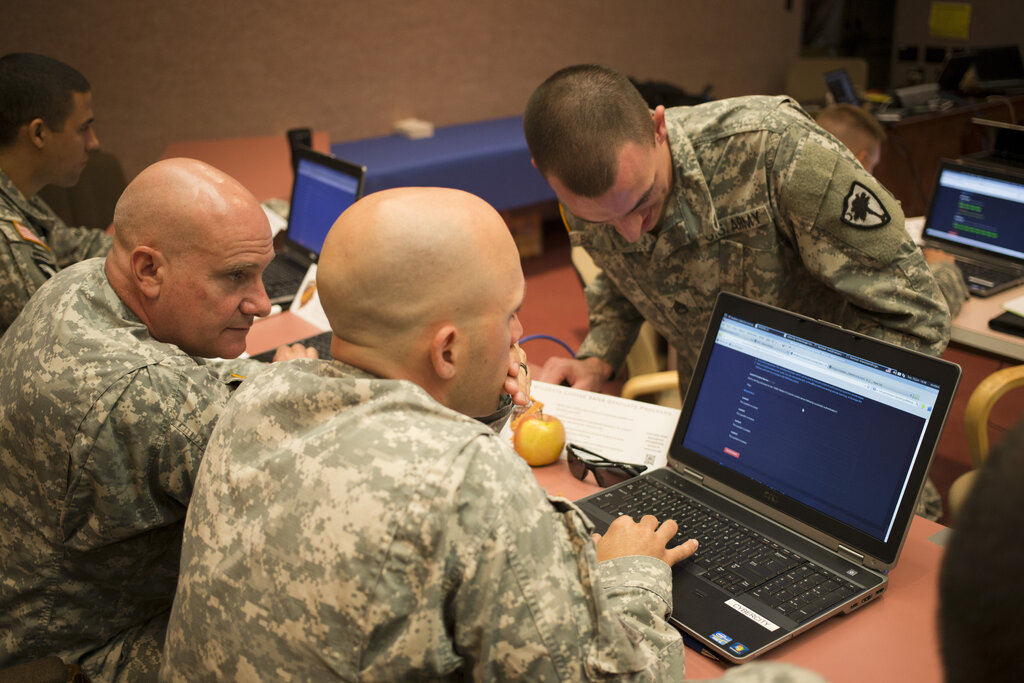
Now that we've covered the basics, you're ready to explore how we can start building our digital defenses. Let's test your knowledge on these foundational concepts.
What is the primary goal of cybersecurity?
A hacker successfully alters a financial transaction record to show a different amount. Which core principle of the CIA Triad has been violated?