CVN Officer of the Deck Underway
Introduction to Naval Operations
The Floating City
A nuclear-powered aircraft carrier, designated CVN, is one of the most complex machines ever built. Think of it less as a ship and more as a floating city that's also a mobile military airbase. Home to over 5,000 personnel and dozens of high-performance aircraft, a CVN can operate for extended periods anywhere in the world without needing to refuel, thanks to its nuclear reactors. Its primary function is power projection: launching aircraft to conduct missions far from home.
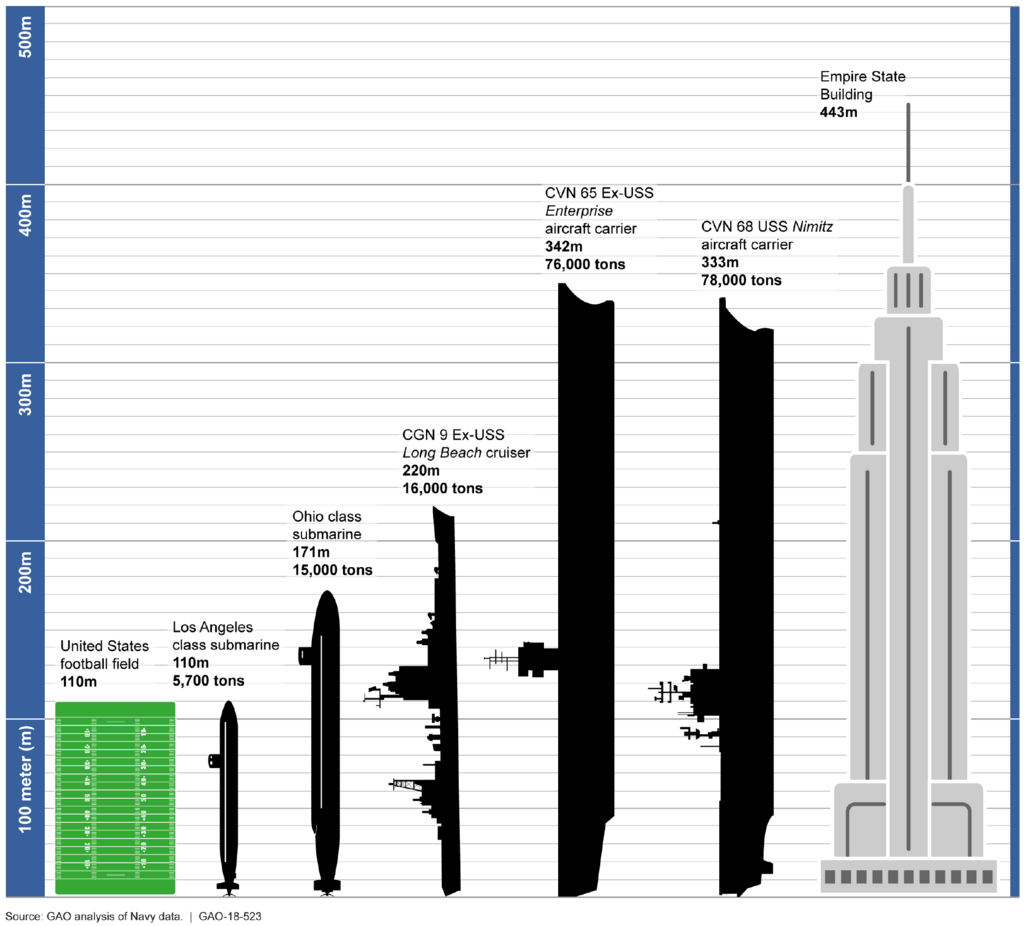
The flight deck is a chaotic, carefully choreographed stage for launching and recovering aircraft at a rapid pace. Below deck lies a labyrinth of passageways connecting everything from engine rooms and workshops to galleys, living quarters, and medical facilities. The ship is a self-contained world, designed for peak operational efficiency.
Who Runs the Ship?
A complex organization requires a clear command structure. At the top is the Commanding Officer (CO), who is ultimately responsible for the entire vessel and its crew. The Executive Officer (XO) is the second-in-command, managing the ship's daily administration and personnel. Various department heads oversee specific functions like engineering, weapons, and air operations.
However, the ship operates 24/7, and the CO cannot be on the bridge at all times. This is where the Officer of the Deck (OOD) comes in. The OOD is the CO's direct representative, responsible for the safe navigation and general operation of the ship during their watch period. While on watch, the OOD leads the bridge team, which includes navigators, lookouts, and helm control.
This structure ensures that there is always a designated leader in charge of the vessel's immediate safety and maneuvers, acting with the full authority of the Commanding Officer.
Mission and Environment
A CVN doesn't operate in a vacuum. It's the centerpiece of a Carrier Strike Group, a fleet of cruisers, destroyers, and submarines that provide defense and support. The mission objectives are diverse, ranging from projecting air power and ensuring freedom of navigation on the seas to providing humanitarian assistance and disaster relief.
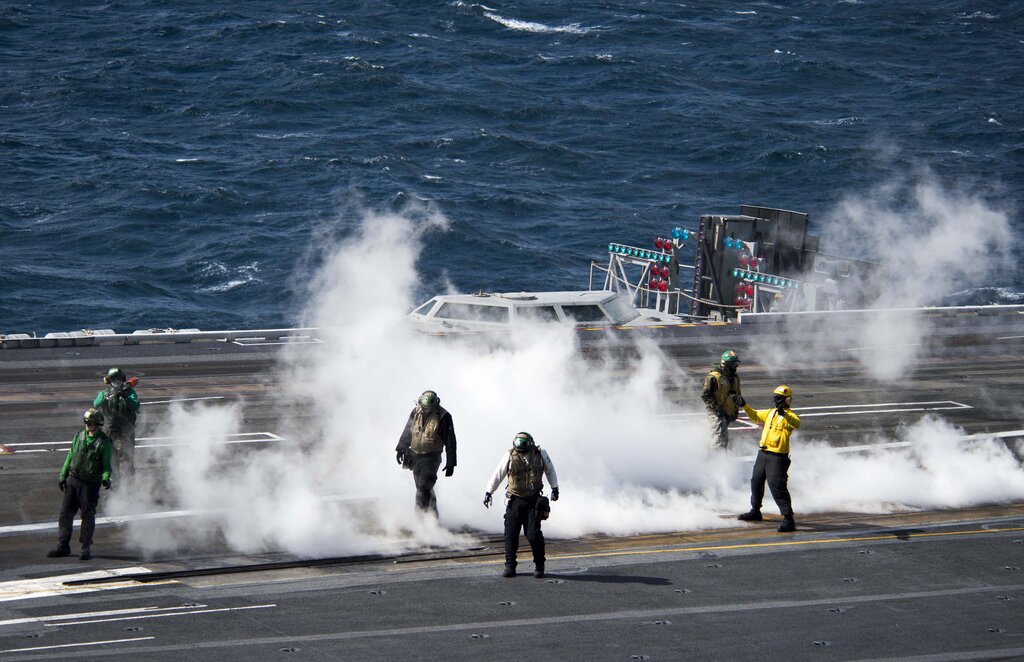
The operational environment is relentless. A carrier must be ready to launch aircraft in any weather, day or night. The crew works in shifts around the clock, maintaining a constant state of readiness. Life aboard is demanding, requiring precision, teamwork, and unwavering focus from every single person on board.
On a CVN, every role is critical. From the pilot in the cockpit to the cook in the galley, the successful completion of the mission depends on the entire crew working as one.
Now, let's check your understanding of these core concepts.
What is the primary function of a nuclear-powered aircraft carrier (CVN)?
Who is the Commanding Officer's direct representative, responsible for the safe navigation and operation of the ship during a specific watch period?
Understanding the ship, its people, and its purpose is the first step in understanding the critical role of those who command it on the bridge.