Customs Trade Facilitation Explained
Introduction to Trade Facilitation
What is Trade Facilitation?
International trade can seem like a massive, complex machine. Goods move from one country to another, crossing borders and passing through many hands. For this machine to run smoothly, all the gears must turn without friction. This is where trade facilitation comes in.
Trade facilitation is the process of simplifying and streamlining the procedures involved in international trade. The goal is to make it easier, faster, and cheaper to move goods across borders.
Think of it like planning a road trip. You could just start driving and figure out every turn, toll, and stop along the way. Or, you could use a GPS that shows you the fastest route, predicts traffic, and lets you pay for tolls electronically. The GPS doesn't change your destination, but it removes the obstacles, making your journey more efficient. Trade facilitation acts like that GPS for global commerce.
Why It Matters
Inefficient border procedures create friction. Delays, excessive paperwork, and unpredictable fees act like sludge in the gears of the global economy. These issues don't just frustrate businesses; they create real economic costs.
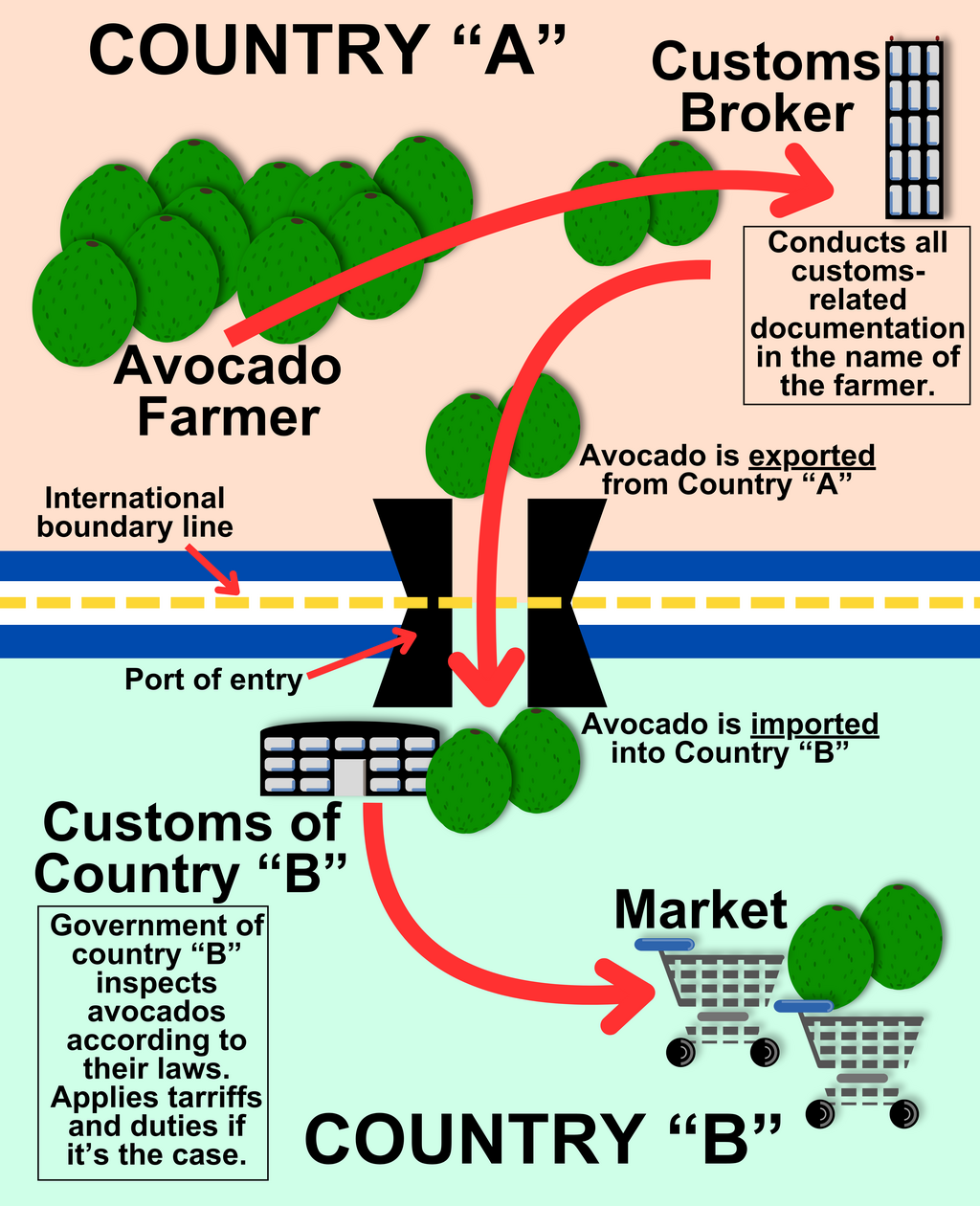
When it's difficult to trade, costs go up for everyone. A small business trying to export its products might find the paperwork too complicated or the delays too long to be profitable. A large company might have to raise prices to cover the cost of navigating a complex customs system. Ultimately, consumers pay more for imported goods.
By reducing these barriers, trade facilitation helps economies grow. It allows small businesses to access global markets, makes countries more competitive, and gives consumers more choices at lower prices. It's about making the entire supply chain more efficient, from the factory floor to the customer's door.
Key Principles
Effective trade facilitation isn't about removing rules; it's about making them smarter. The work is guided by several core principles that help governments and businesses cooperate to make trade flow more smoothly.
| Principle | What It Means |
|---|---|
| Transparency | All trade rules, regulations, and fees are made publicly available and easy to understand. |
| Harmonization | Aligning a country's procedures and documentation with international standards. |
| Simplification | Eliminating unnecessary steps and redundant paperwork in the import/export process. |
| Standardization | Using consistent formats for data and documents, both within a country and internationally. |
| Cooperation | Collaboration between government agencies (like customs and agriculture) and with the private sector. |
Imagine a shipment arriving at a port. Without these principles, the importer might face a confusing array of forms, some asking for the same information in different ways. They might not know how much the fees will be or how long the inspection will take.
With good trade facilitation, the process is predictable. The importer submits standardized electronic documents in advance. The rules are clear and published online. Different government agencies coordinate their inspections, saving time. This efficiency is the direct result of applying these key principles.
Accurate and complete trade documentation is vital for customs clearance, ensuring compliance with regulations, and minimizing disruptions in supply chains.
These ideas form the foundation for making global trade work better for everyone involved.
Ready to check your understanding?
The provided text likens trade facilitation to a GPS for a road trip. What does this analogy primarily illustrate?
According to the text, what is a primary economic consequence of inefficient border procedures like excessive paperwork and unpredictable fees?
By streamlining these processes, countries can participate more fully in the global economy, fostering growth and creating opportunities.