Customer Success Fundamentals
Introduction to Customer Success
What is Customer Success?
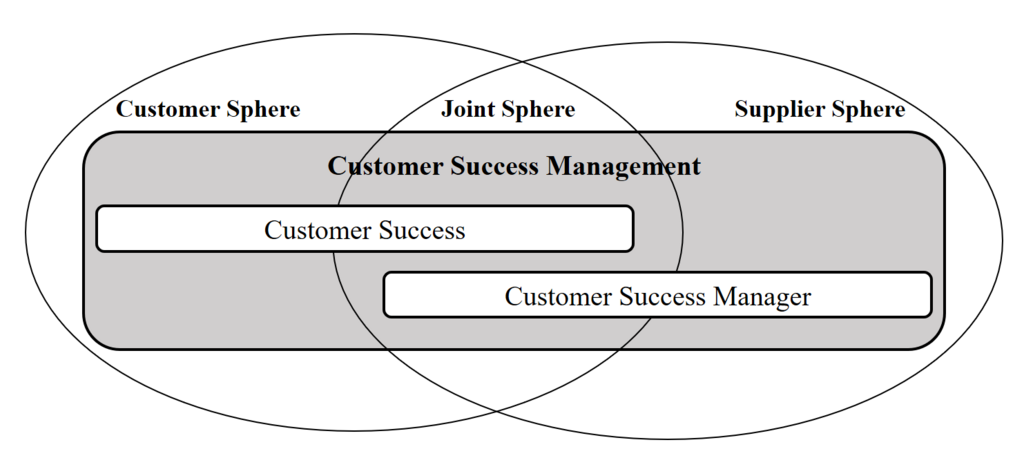
Think of Customer Success as a partnership. It’s a business approach focused on making sure your customers achieve their goals while using your product or service. This isn't just about providing support when something breaks; it's about proactively guiding them toward the best possible outcomes.
Customer success (CS) ensures that your customers are set up for success to achieve their business goals.
Imagine you buy a high-end camera. Good customer support will help you if it malfunctions. A customer success manager, on the other hand, would have already sent you tutorials on advanced photography techniques, invited you to a workshop, and checked in to see if you're getting the quality of photos you dreamed of. They are invested in your success as a photographer, not just as a camera owner.
This proactive relationship-building is vital for any company. When customers succeed, they are more likely to stick around, renew their subscriptions, and even purchase more over time. Their success becomes the company's success.
A Shift in Business
Customer Success Management grew alongside the rise of the subscription economy. In the past, many companies operated on a one-time sale model. You would buy software on a CD-ROM, install it, and the transaction was mostly finished. The company had its money, and the customer had the product.
Today, many businesses, especially in software (Software as a Service, or SaaS), rely on recurring revenue. Customers pay a monthly or yearly fee. This changes everything. If customers don't feel they're getting continuous value, they can simply cancel their subscription at the end of the term. Keeping them is just as important as acquiring them in the first place.
This shift forced companies to rethink their relationship with customers. It was no longer enough to just sell a product. They had to ensure customers were actively using it, benefiting from it, and achieving their desired outcomes. This need for ongoing value demonstration is the soil from which Customer Success grew.
Not Your Typical Support Team
It's easy to confuse Customer Success with traditional customer support, but their functions are fundamentally different. The key distinction lies in their approach: one is reactive, and the other is proactive.
| Customer Support | Customer Success | |
|---|---|---|
| Approach | Reactive | Proactive |
| Focus | Solving specific problems and issues | Achieving long-term customer goals |
| Goal | Close support tickets quickly | Increase customer retention and lifetime value |
| Timeline | Short-term interactions | Long-term relationships |
Customer support is problem-focused. A customer has an issue, they contact support, and the support team works to resolve it. Their job is to fix what's broken.
Customer Success is goal-focused. A Customer Success Manager (CSM) builds a relationship with the customer from the beginning. They work to understand the customer's business objectives and create a plan to help them achieve those goals using the product. They don't wait for a problem to arise; they actively look for opportunities to provide more value.
Customer Support is a life raft, there to save you when you're in trouble. Customer Success is a lighthouse, guiding you to your destination and away from the rocks.
This proactive engagement can take many forms. It might involve personalized onboarding for new users to ensure they start off on the right foot. It could mean regular check-ins to review progress and share best practices. Or it might be about analyzing usage data to spot customers who are struggling and offering help before they even think to ask for it. The goal is always the same: to be a trusted advisor on the customer's journey.
Now, let's test your understanding of these core concepts.
What is the primary focus of a Customer Success approach?
The rise of Customer Success Management is closely linked to which economic shift?
By focusing on helping customers win, businesses create a powerful cycle of loyalty and growth.