Customer Success Fundamentals
Introduction to Customer Success
Beyond Support
Think about the last time you bought a piece of software or signed up for a service. You probably had a specific goal in mind, a problem you needed to solve. Customer Success is the practice of making sure you actually achieve that goal. It’s a partnership where a company actively works to ensure its customers get the full value out of a product or service.
Customer success (CS) ensures that your customers are set up for success to achieve their business goals.
This goes beyond just making a sale. When customers succeed, they're more likely to stick around, renew their subscriptions, and even recommend the product to others. This creates a powerful cycle: their success fuels the company's success. It’s a shift from simply selling a product to building a long-term, mutually beneficial relationship.
Proactive vs Reactive
You might be thinking this sounds a lot like customer support, but there’s a key difference. Customer support is reactive. It's about fixing problems when they happen. You have an issue, you contact support, and they help you solve it. It's essential, but it's focused on troubleshooting.
Customer success is proactive. A Customer Success Manager (CSM) doesn't wait for you to run into trouble. They reach out to understand your goals, guide you through best practices, and help you unlock the product's full potential. They anticipate your needs to keep you on the path to achieving your desired outcomes.
| Feature | Customer Support | Customer Success |
|---|---|---|
| Approach | Reactive | Proactive |
| Goal | Resolve issues | Achieve customer goals |
| Timeframe | Short-term interactions | Long-term relationship |
| Focus | Solving problems | Driving value |
Core Principles
Effective customer success is built on three foundational ideas. Together, they create a framework for building strong, lasting customer relationships.
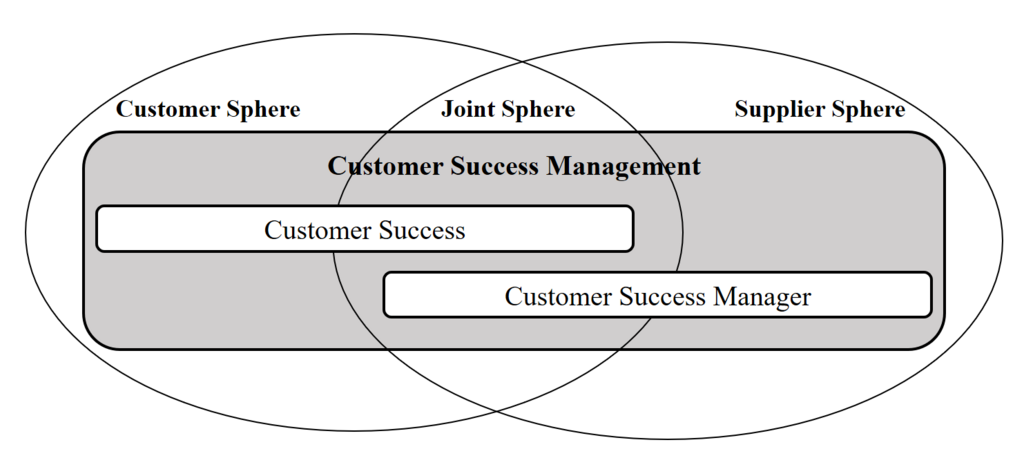
First is customer-centricity. This means putting the customer's needs and goals at the very center of your business strategy. It’s about deeply understanding what success looks like from their perspective, not just your own. Every decision, from product updates to communication, is made with the customer's outcome in mind.
Next is proactive engagement. Instead of waiting for a customer to call with a problem, a CSM actively reaches out. This could involve regular check-ins, sharing helpful resources, or offering personalized training. The goal is to provide guidance before it's needed, clearing the path for the customer to move forward smoothly.
Finally, there's value realization. This is the moment a customer understands and experiences the value they were promised. It’s not enough for them to simply use the product; they must achieve their desired results with it. When a customer sees a tangible return on their investment, whether it's saving time, increasing revenue, or solving a critical problem, they have realized its value.
Ready to check your understanding?
What is the primary goal of Customer Success?
Customer support is primarily __________, while customer success is _________.
By focusing on these principles, companies move from being just a vendor to a trusted partner in their customers' success.