Customer Purchase Likelihood Modeling
Introduction to Data Science
What Is Data Science?
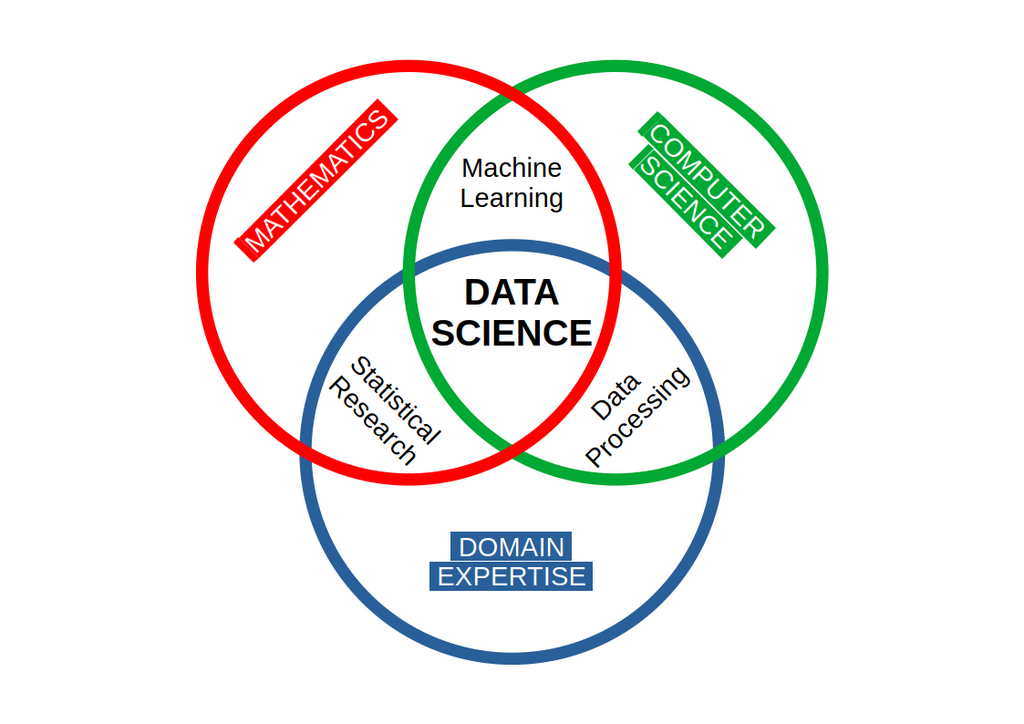
At its core, data science is the art of turning raw data into meaningful insights. It's a field that combines statistics, computer science, and business knowledge to understand and explain complex phenomena. Think of it as a detective story where the clues are buried in massive amounts of information, and the data scientist is the detective piecing them together.
Data Science
noun
An interdisciplinary field that uses scientific methods, processes, algorithms, and systems to extract knowledge and insights from structured and unstructured data.
Why does it matter? Because data is everywhere. The recommendations you see on Netflix, the fraud detection alerts from your bank, and the medical diagnoses assisted by computers are all powered by data science. It helps businesses make smarter decisions, scientists accelerate research, and governments improve public services. It’s about finding patterns and making predictions to solve real-world problems.
The Data Science Journey
A data science project isn't a single action but a complete lifecycle. It’s an iterative process that requires careful thought at every stage, from asking the right question to presenting the final answer. Each step builds on the last, and sometimes, discoveries in a later stage will send you back to an earlier one to refine your approach.
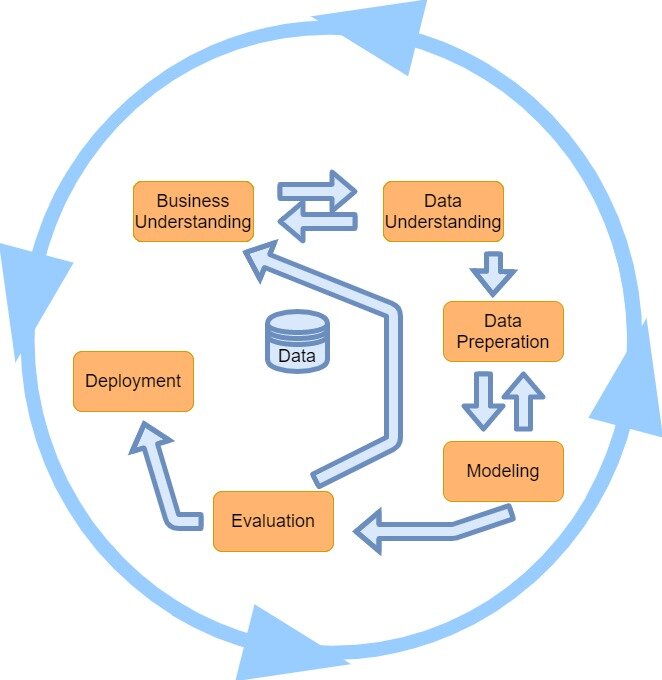
The journey typically follows these key stages:
-
Business Understanding: It all starts with a question. What problem are we trying to solve? This is the most critical step. Without a clear goal, any analysis is aimless. A data scientist must first understand the context and define a clear objective.
-
Data Collection: Once the question is clear, you need data. This might involve gathering information from existing databases, scraping websites, or conducting surveys. The quality and relevance of this data will determine the success of the entire project.
-
Data Cleaning: Raw data is rarely perfect. It often has missing values, inconsistencies, and errors. This stage, also called data preparation, involves cleaning and organizing the data to make it suitable for analysis. It's often the most time-consuming part of the process, but it's absolutely essential.
-
Exploratory Data Analysis (EDA): Now the fun begins. In this stage, data scientists explore the cleaned data to find patterns, spot anomalies, and form hypotheses. They use visualizations like charts and graphs to get a feel for the data's story before building any complex models.
-
Modeling: Here, the data scientist applies algorithms to build a model that can make predictions or classify information. The goal is to create a model that can generalize from the data it has seen to make accurate estimates about new, unseen data.
-
Evaluation and Interpretation: After a model is built, it must be evaluated. How accurate is it? Does it actually solve the business problem? The results are then interpreted and translated into actionable insights. This involves communicating the findings to stakeholders in a clear, understandable way.
The goal is to turn data into information, and information into insight.
The Data Scientist's Role
A data scientist is a jack-of-all-trades. They need the curiosity to ask interesting questions, the statistical knowledge to model the data, and the programming skills to handle large datasets. But that's not all. A great data scientist is also a great communicator.
They have to be able to explain complex findings to people who aren't experts in data, like executives or marketing teams. They act as a bridge between the technical world of data and the practical world of business decision-making. Storytelling is a crucial skill—they must craft a compelling narrative around the data to drive action.
With Great Data Comes Great Responsibility
Data science has a significant impact on people's lives, which brings up important ethical considerations. For example, if a model is trained on biased data, it will produce biased results. An algorithm used for loan applications could unfairly discriminate against certain groups if its training data reflects historical inequalities.
Data scientists have a responsibility to be aware of these potential pitfalls. They must prioritize privacy, ensuring that sensitive personal information is protected. They need to strive for fairness and transparency in their models, making sure they can explain how their algorithms arrive at a decision. Building trust is just as important as building an accurate model.
Now that you have an overview of what data science is and what a data scientist does, let's test your understanding.
What is the primary goal of data science?
In the data science lifecycle, which stage is often the most time-consuming?