Customer Experience Enablement Strategies
Introduction to Customer Experience
What Is Customer Experience?
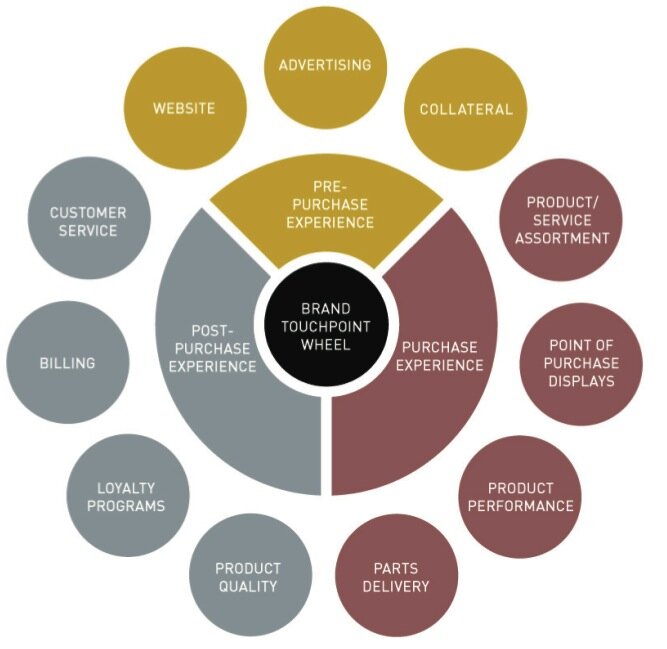
Customer Experience, often shortened to CX, is the overall perception a person has of your company. It’s not about a single interaction, like one phone call or one purchase. Instead, it’s the sum of every touchpoint, from the first time they hear your name to the moment they unbox your product, and even the follow-up support they receive afterward.
Think of it as the entire story a customer could tell about your brand. Every chapter matters.
In a crowded marketplace, products and prices can be easily matched. A great customer experience, however, is much harder to copy. It's what makes a business stand out. When customers feel valued and understood, they have a reason to choose you over a competitor, even if your prices are slightly higher. This is why CX has become a crucial battleground for business success.
The Ripple Effect of Good CX
A positive customer experience directly fuels customer satisfaction. When interactions are easy, pleasant, and helpful, customers are happy. This isn't just a fleeting feeling; it has powerful, tangible effects on a business.
Satisfied customers become loyal customers. They return to buy again and are less likely to be swayed by competitors. This loyalty is the bedrock of sustainable growth, creating a reliable stream of revenue. Moreover, loyal customers often become brand advocates. They share their positive experiences with friends, family, and online followers, generating powerful word-of-mouth marketing that money can't buy. This cycle of satisfaction, loyalty, and advocacy is how great CX drives business success.
Three Pillars of Great CX
While CX is a broad concept, it’s built on a few core principles. Mastering these is the first step toward creating experiences customers will love.
- Personalization
Personalization means treating customers as the individuals they are. It’s about moving beyond generic, one-size-fits-all interactions and tailoring the experience to their specific needs, preferences, and history with your brand. This could be as simple as using their name in an email or as sophisticated as recommending products based on their past browsing behavior.
Personalization is creating experiences at scale that get fine-tuned with each successive interaction, empowering customers to get what they want better, faster, cheaper, or more easily.
When done right, personalization makes customers feel seen and understood, strengthening their connection to your brand.
- Omnichannel Consistency
Customers interact with companies through many different channels: the website, a mobile app, social media, a physical store, or a call center. Omnichannel consistency ensures that the experience is seamless and coherent across all of them.
Imagine a customer who starts an order on their laptop, adds an item via the mobile app during their commute, and then calls customer service with a question. A consistent experience means the service agent has access to that order and can help without the customer needing to repeat everything. This lack of friction is key to a modern, positive CX.
- Empathy
Empathy is the ability to understand and share the feelings of another person. In the context of CX, it means putting yourself in your customer’s shoes to truly understand their needs, frustrations, and goals. It’s the foundation for building genuine relationships.
Empathy
noun
The ability to understand and share the feelings of another.
Empathy isn’t just for customer support teams. It should influence product design, marketing messages, and sales processes. When a company operates with empathy, customers feel cared for, not just sold to. This builds a deep sense of trust that is difficult for competitors to break.
Let's test your understanding of these core concepts.
Which of the following best defines Customer Experience (CX)?
A customer starts building a shopping cart on their laptop, adds another item using their phone's mobile app, and then calls customer service to ask about shipping. The service agent can see the entire cart and answer the question immediately. This is a prime example of which CX principle?
Understanding these fundamentals—what CX is, why it matters, and the principles of personalization, consistency, and empathy—provides a solid base for building exceptional customer relationships.