Custom Fertilizer for Monstera Deliciosa
Monstera deliciosa nutrition
What Your Monstera Eats
Just like people, plants need a balanced diet to thrive. For your Monstera, this diet comes from the soil and any fertilizer you provide. These nutrients are broken down into three categories: macronutrients, secondary nutrients, and micronutrients. Think of them as meals, side dishes, and essential vitamins.
Macronutrients are the big three your plant needs in large amounts: Nitrogen (N), Phosphorus (P), and Potassium (K). You'll often see these letters on fertilizer packages. Getting their balance right is key to a healthy, vibrant Monstera.
The Big Three
Each of the three primary macronutrients plays a starring role in your plant's life.
Nitrogen (N) is all about lush, green growth. It's a core component of chlorophyll, the pigment that plants use to convert sunlight into energy. It also builds amino acids, which in turn form proteins. A Monstera with plenty of nitrogen will produce large, deep green leaves.
Phosphorus (P) is the energy manager. It helps the plant capture the sun's energy and transfer it where it's needed. This is crucial for strong root development, flowering, and fruiting. For a young Monstera, phosphorus is vital for establishing a healthy root system.
Potassium (K) is the all-around health regulator. It helps control how water moves within the plant, activates enzymes, and strengthens it against pests and diseases. If your Monstera is going to be resilient, it needs enough potassium.
For Monstera deliciosa, a balanced NPK ratio like 20-20-20 is a good starting point. Some growers prefer a ratio slightly higher in nitrogen, like 3-1-2, to encourage more vigorous leaf production, especially during the growing season.
Beyond the Basics
While NPK gets most of the attention, other nutrients are also essential, just in smaller quantities. Secondary nutrients include calcium, magnesium, and sulfur.
- Calcium (Ca) builds strong cell walls, giving the plant structural integrity. Think of it as the plant's skeleton.
- Magnesium (Mg) is the central atom in the chlorophyll molecule. Without it, the leaves can't be green, and photosynthesis grinds to a halt.
- Sulfur (S) is a key ingredient in some amino acids and vitamins, contributing to the plant's overall function.
Then there are the micronutrients, needed in tiny, trace amounts but still critical. These include iron, manganese, zinc, copper, molybdenum, and boron. A deficiency in any one of these can cause serious problems, from yellowing leaves to stunted growth.
Spotting Trouble
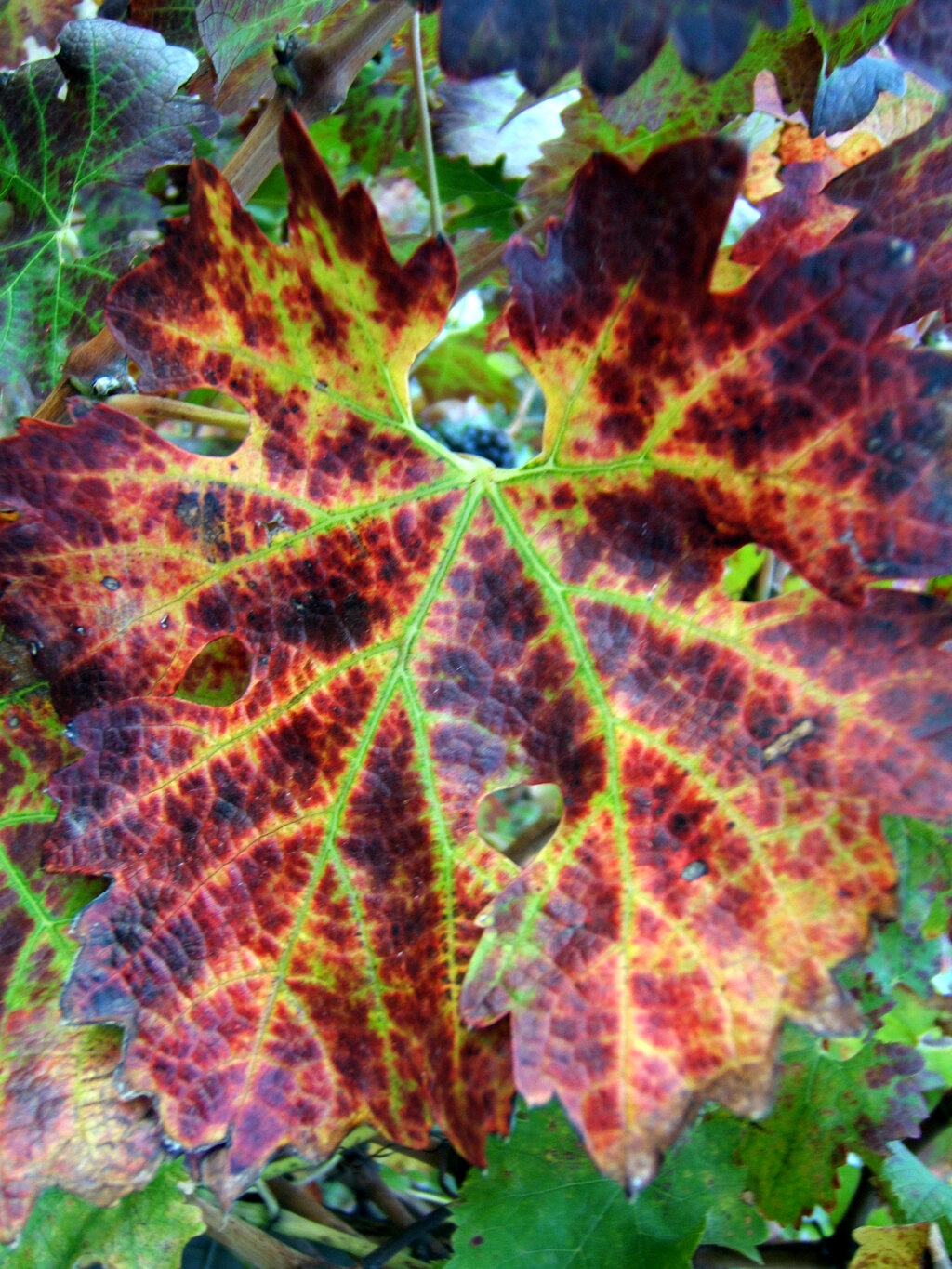
Your Monstera will tell you when its diet is off. The key is learning to read the signs. Nutrient deficiencies often show up as changes in leaf color or pattern. For example, a nitrogen deficiency typically causes the oldest, lowest leaves to turn yellow first, as the plant moves this mobile nutrient to support new growth. An iron deficiency, on the other hand, usually causes yellowing in the newest leaves first.
But more isn't always better. Giving your plant too much fertilizer can lead to toxicity. This can look like burnt leaf tips, browning on the edges of leaves, or even sudden leaf drop. It's often safer to under-fertilize than to overdo it.
| Nutrient | Deficiency Signs | Toxicity Signs |
|---|---|---|
| Nitrogen (N) | Yellowing of older leaves, slow growth. | Dark green leaves, burnt leaf tips, weak stems. |
| Phosphorus (P) | Stunted growth, purplish tint on leaves. | Can cause micronutrient deficiencies (like iron and zinc). |
| Potassium (K) | Yellowing/browning on leaf edges, weak stems. | Can interfere with the uptake of magnesium and calcium. |
| Magnesium (Mg) | Yellowing between leaf veins on older leaves. | Not a common issue for house plants. |
| Iron (Fe) | Yellowing between veins on new leaves. | Bronzing or tiny brown spots on leaves. |
Now that you understand the building blocks of your Monstera's diet, you're ready to create a feeding plan that keeps it happy and healthy.
Ready to test your knowledge?
Which of the following are the three primary macronutrients, often represented as N-P-K on fertilizer packages?
If a young Monstera is struggling to establish a strong root system, which macronutrient might it be lacking?
Understanding what your Monstera needs is the first step. Next, we'll look at how to deliver these nutrients effectively.