Curriculum Design Fundamentals
Introduction to Curriculum Design
What Is Curriculum Design?
Curriculum design is the process of creating a thoughtful, intentional plan for learning. It's not just a list of topics or a textbook chapter outline. Think of it as an architect's blueprint for a house. Before anyone lays a single brick, the architect creates a detailed plan that shows how every room connects and what purpose it serves. A well-designed curriculum does the same for education, ensuring that every lesson, activity, and assessment works together to achieve a clear goal.
Curriculum
noun
The subjects comprising a course of study in a school or college; a plan for learning.
The main purpose is to make learning effective and efficient. Without a clear plan, education can feel random and disconnected. Students might wonder why they're learning a particular topic or how it relates to anything else. A strong curriculum provides a roadmap, showing learners where they are, where they're going, and how they'll get there. It turns a collection of facts into a meaningful journey.
The Core Components
Every effective curriculum is built on a few key pillars. While the specifics can vary, three components are almost always present: learning objectives, learning experiences, and assessment.
1. Learning Objectives: These are clear statements about what a student should know or be able to do by the end of a course or lesson. They are the destination. An objective like "Students will be able to identify the three branches of government" is specific and measurable. Objectives guide every other decision in the curriculum.
2. Learning Experiences: This is the 'how.' It includes all the content, activities, materials, and methods used to help students achieve the objectives. This could be lectures, readings, hands-on projects, group discussions, or lab experiments. The experiences are the path taken to reach the destination.
3. Assessment: This component answers the question, "Did the students get there?" Assessments are tools used to measure if the learning objectives were met. They can range from quizzes and exams to projects and presentations. Importantly, assessment also provides feedback to both the student and the instructor about what's working and what isn't.
Developing the final summative assessment of a course at the start of curriculum development is an implementation of "backward design," whereby learning objectives are identified first and the curriculum is engineered end-to-beginning to achieve them.
The Role of Curriculum Design
So, why does all this planning matter? A well-designed curriculum is the backbone of a successful educational experience. It ensures that learning is structured and sequential, with each concept building on the last. This creates a logical flow that helps students make connections and build a deeper understanding.
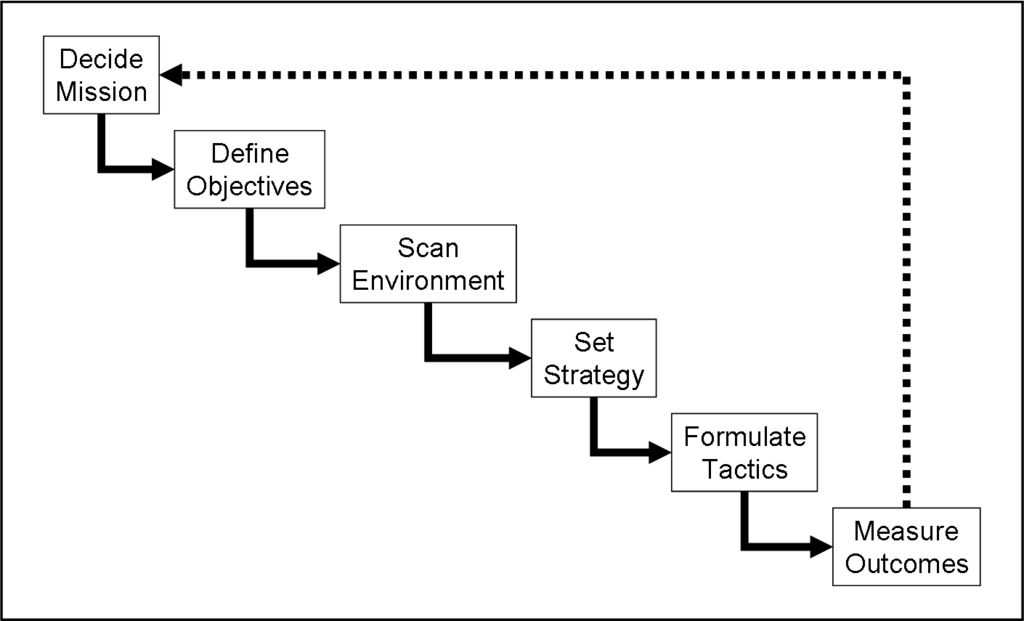
It also promotes consistency. When a curriculum is clearly defined, students can expect a similar quality of education regardless of who their teacher is. This is crucial for fairness and for ensuring that all learners meet the same essential standards.
Ultimately, the goal of curriculum design is to shape the entire educational experience. It's about being deliberate and purposeful in how we guide learners from ignorance to understanding. It fosters an environment where students aren't just memorizing facts, but are actively engaged in building knowledge and skills.
Now, let's test your understanding of these foundational concepts.
What is the primary purpose of curriculum design?
Which of the following are considered the three essential pillars of an effective curriculum?
With these basics in mind, you have a solid foundation for understanding how effective learning experiences are built.