Current Food Science Issues
Introduction to Food Science
What Is Food Science?
Food science is the study of everything that happens to food from the moment it leaves the farm until you take a bite. It combines biology, chemistry, and engineering to understand the nature of foods, the causes of their deterioration, and the principles underlying food processing. Think of a food scientist as part detective, part chemist, and part inventor, all working to make our food safer, more nutritious, and more enjoyable.
This field isn't just about creating new snack flavors. It's about solving real-world problems, like how to keep fruits fresh during long-distance shipping or how to create a gluten-free bread that actually tastes good. It ensures the milk you drink is free from harmful bacteria and that the canned vegetables in your pantry are still packed with vitamins months after being harvested.

The Building Blocks of Food
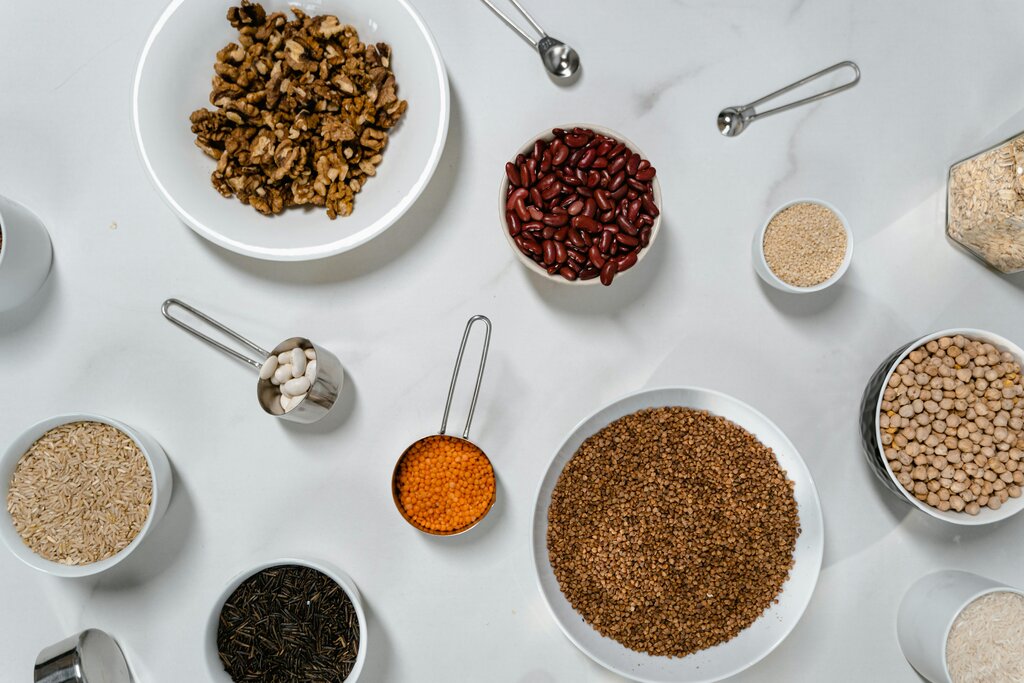
All food is made up of a few basic components. These are often split into two groups: macronutrients, which we need in large amounts, and micronutrients, which we need in smaller quantities.
The three macronutrients are carbohydrates, proteins, and fats. They provide our bodies with energy and the raw materials for growth and repair.
Carbohydrates are the body's main source of fuel. They come in two forms: simple sugars, like the fructose in fruit, and complex starches, found in foods like potatoes and bread. When you eat a carb, your body breaks it down into glucose, a simple sugar it can use for immediate energy.
Proteins are the construction workers of the body. They're made of smaller units called amino acids and are essential for building and repairing tissues, from your muscles to your hair. You can find them in meat, fish, eggs, beans, and nuts.
Fats often get a bad rap, but they are crucial for our health. They provide a concentrated source of energy, help absorb certain vitamins, and insulate our bodies. Fats are found in oils, butter, avocados, and nuts.
Vitamins and minerals are the micronutrients. We only need them in tiny amounts, but they're vital for hundreds of bodily functions. Vitamin C helps heal wounds, calcium builds strong bones, and iron carries oxygen in our blood. Without them, our bodies can't function properly.
Keeping Food Safe and Fresh
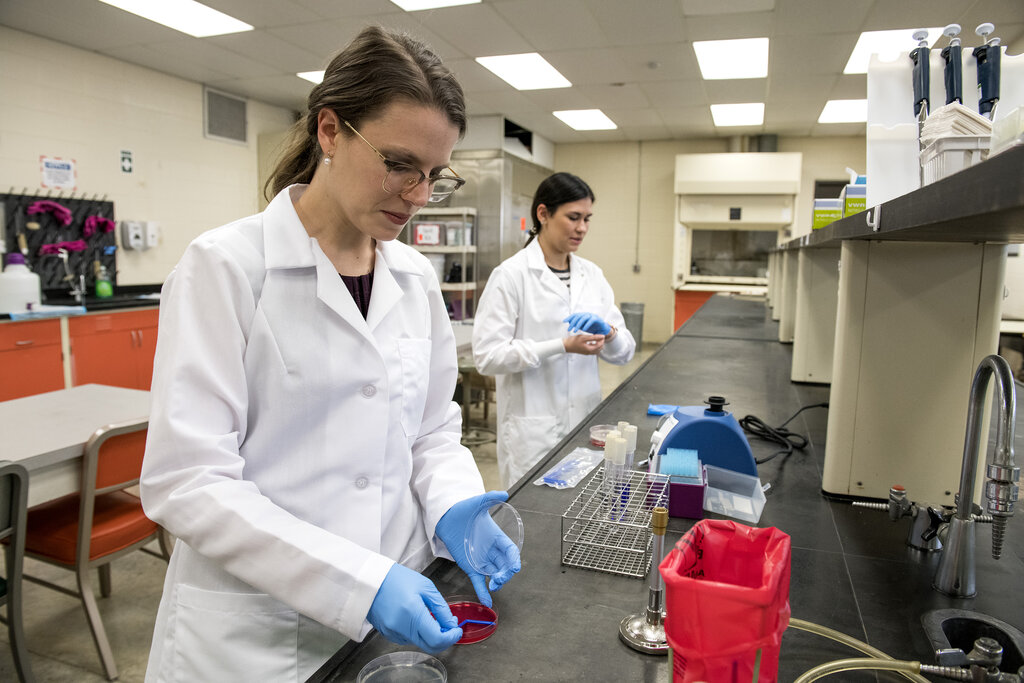
One of the most critical roles of food science is ensuring safety. This involves studying food microbiology, the world of tiny organisms like bacteria, yeasts, and molds that live in and on our food.
Some microbes are helpful. Yeast makes bread rise, and specific bacteria turn milk into yogurt and cheese. But others, called pathogens, can cause foodborne illness. Food scientists study how these harmful microbes grow and how to stop them. This leads to the safety standards and handling procedures that protect us from getting sick.
Beyond safety, we also want our food to last. Food processing and preservation are techniques used to slow down spoilage and maintain quality. These aren't just modern inventions; humans have been preserving food for thousands of years.
| Method | How It Works | Common Examples |
|---|---|---|
| Canning | Heating food in sealed containers to kill microbes. | Canned vegetables, fruits, soups |
| Freezing | Lowering the temperature to stop microbial growth. | Frozen berries, meat, pizzas |
| Drying | Removing water so microbes can't survive. | Dried fruit, beef jerky, herbs |
| Fermentation | Using good microbes to preserve food and create new flavors. | Yogurt, sauerkraut, kimchi |
Each method affects the food's texture, flavor, and nutritional content in different ways. A big part of food science is figuring out the best way to preserve a food while keeping it as nutritious and tasty as possible.
Food and Nutrition
Finally, food science is closely linked to nutrition. The ultimate goal is to provide food that not only tastes good and is safe but also nourishes our bodies. Food scientists analyze the nutritional content of foods to understand how they contribute to our health.
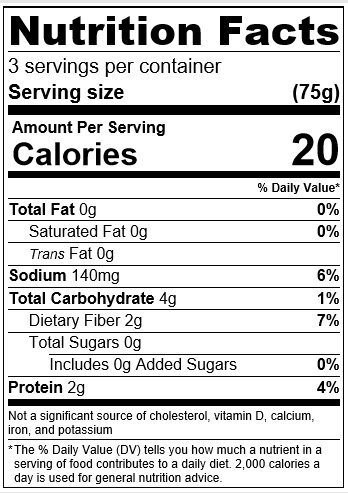
This involves measuring the amounts of carbohydrates, fats, proteins, vitamins, and minerals. That information is then used to create the nutrition facts labels you see on packaged foods, helping you make informed choices about what you eat.
Scientists also work on food fortification, which is adding extra nutrients to foods to improve public health. A classic example is adding iodine to salt to prevent deficiencies that can cause serious health problems. They might also develop products with less sugar or salt to help people manage their diets.
By understanding the science behind our food, we can better appreciate the journey it takes and the complex processes that keep it safe, delicious, and nourishing.