Cultural Projects Revitalizing Small Villages
Understanding Village Vacancies
The Emptying Village
Many small villages, once the heart of rural life, are slowly hollowing out. The local shop has boards on its windows, the school has fewer children each year, and more homes sit empty. This isn't a single, isolated problem but the result of powerful forces reshaping communities.
Economic Roots of Decline
The economic engine of many rural areas has sputtered. Traditional industries like agriculture, mining, and small-scale manufacturing have changed dramatically. Technology and automation mean that farms and factories can produce more with far fewer workers. A family farm that once supported several households might now be run by just a few people with advanced machinery.
At the same time, economic opportunities have become concentrated in urban centers. Large corporations often find it more profitable to operate in cities, drawing jobs and investment away from smaller towns. This makes it tough for local businesses to survive, as they lose both customers and their workforce to larger markets.
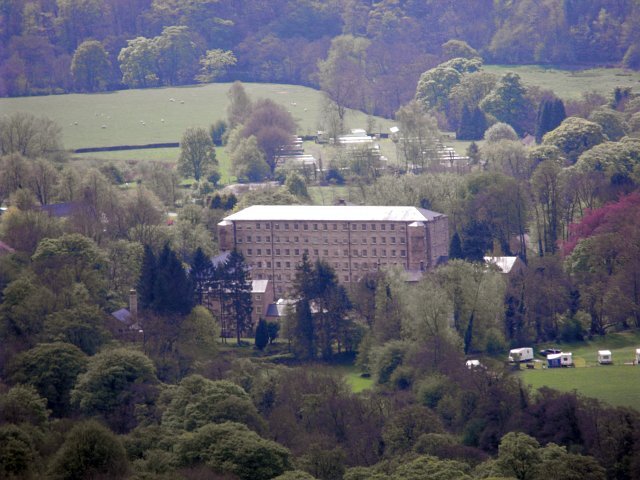
A Shifting Population
As jobs leave, so do people, especially the young. This phenomenon, often called "brain drain," sees young adults move to cities for college and career opportunities. Many don't return, leaving behind an aging population.
This demographic shift creates a difficult cycle. With fewer working-age residents, the local tax base shrinks, reducing funding for essential services like schools, healthcare, and public transportation. As these services decline, the village becomes less appealing for young families, pushing even more people to leave. The school that was once full of life now struggles with enrollment, and the local clinic might reduce its hours, making life harder for the residents who remain.
Technology and Systemic Hurdles
In today's world, digital connectivity is crucial. Yet, many rural areas suffer from the "digital divide"—a lack of reliable, high-speed internet access. This puts them at a major disadvantage. Businesses can't compete effectively, residents are cut off from remote work and online education, and accessing modern services becomes a challenge.
Systemic factors also play a role. Government policies and investments have historically favored urban development. This can lead to underfunded rural infrastructure, from roads and bridges to public transit. Small businesses in villages may also find it harder to secure loans and investment compared to their urban counterparts, stifling local entrepreneurship and growth.
The Ripple Effect of Emptiness
Vacant buildings are more than just an eyesore; they are a symptom of deeper issues with wide-ranging impacts. Economically, vacancies drive down property values and further shrink the tax base, creating a downward spiral of disinvestment. The closure of a single business, like a general store or post office, can have a huge effect, removing not just a service but also a local employer and a community hub.
Socially, the fabric of the community weakens. With fewer people and gathering places, social interactions dwindle. This can lead to isolation, particularly for the elderly. Community events that once brought people together may cease, and the informal support networks that define village life begin to break down.
This erosion also chips away at a village's culture and identity. Local traditions, stories, and a shared sense of history are kept alive by the people who live there. When a community shrinks, its collective memory and unique character begin to fade.
An empty house is a vacant property, but an empty village represents a loss of shared history, connection, and identity.
Let's review what you've learned.
According to the text, what is a primary economic reason for job losses in traditional rural industries like agriculture and manufacturing?
The phenomenon known as "brain drain" in the context of rural villages refers to:
Understanding these complex causes and effects is the first step in addressing the challenges facing rural communities.