Cultivation and Collection of Medicinal Plants
Professional GACP Standards
From Garden to GMP
Growing a medicinal plant in your backyard is one thing. Producing a raw material suitable for pharmaceutical use is another entirely. The bridge between the two is a set of rigorous standards known as Good Agricultural and Collection Practices (GACP). These aren't just helpful tips; they are foundational regulatory frameworks established by bodies like the World Health Organization (WHO) and the European Medicines Agency (EMA). GACP ensures that the starting herbal material is safe, effective, and, most importantly, consistent.
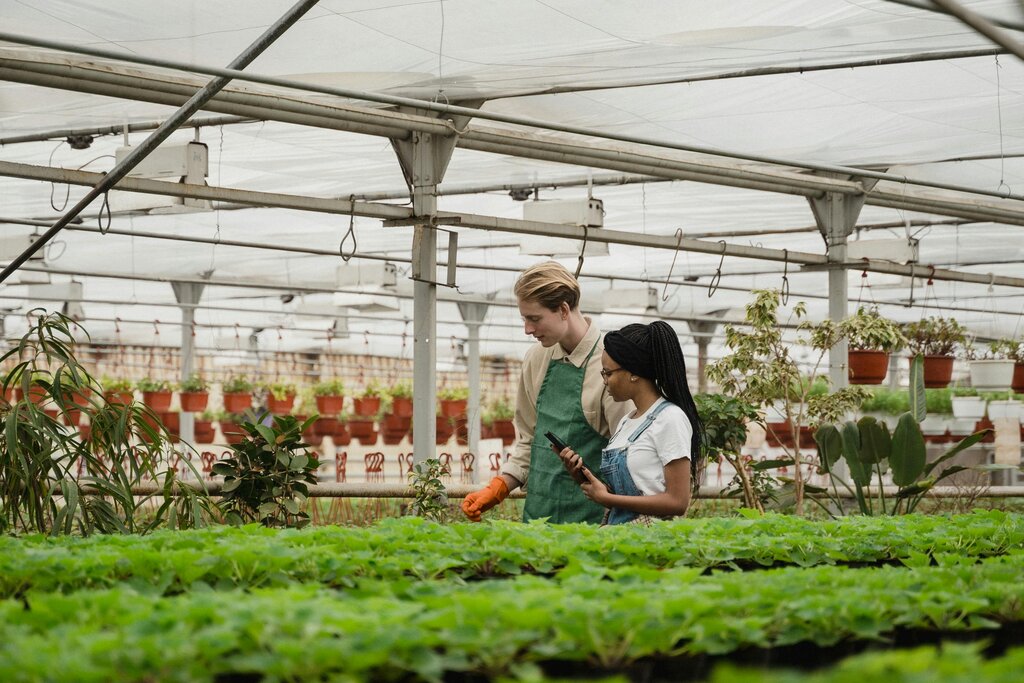
Think of it as the first step in the pharmaceutical supply chain. Before a plant can become a pill, extract, or tincture, it must be cultivated and harvested under controlled conditions that guarantee its identity, purity, and quality. This professional mindset transforms plant cultivation from an art into a science, creating a reliable starting point for modern herbal medicine.
The Pillars of GACP
GACP is built on several key principles that work together to control every variable, from the soil to the storage shed. The primary goal is to minimize risks like contamination, misidentification, and variability in the final product.
At the core of this is traceability. Every batch of herbal material must have a complete biography. This includes details on the seeds or clones used (provenance), soil conditions, fertilizers and pesticides applied, harvesting dates, and drying methods. This meticulous record-keeping is often managed through Standard Operating Procedures (SOPs), which provide step-by-step instructions for every task. If an issue arises with a final product, manufacturers can trace it back to the exact field, harvest date, and even the person who did the work.
This leads to the ultimate objective: quality assurance. Specifically, GACP aims to achieve s. This means that a batch of chamomile harvested in June should have a comparable chemical profile and quality to one harvested in July. This consistency is non-negotiable for pharmaceutical production, where dosages and efficacy depend on a predictable raw material.
Finally, the guidelines cover personnel and facilities. Workers must be trained in hygiene protocols to prevent microbial contamination. This includes rules on hand washing, protective clothing, and handling of the plant material. Equipment must be cleaned and maintained, and the facilities for drying and storage must be designed to protect the material from pests, moisture, and degradation.
Essentially, GACP applies the principles of manufacturing quality control to agriculture.
WHO vs. EMA Guidelines
While the WHO and EMA both provide GACP guidelines, they serve slightly different purposes. The WHO guidelines provide a global model that countries can adopt or adapt to their own national health policies. They are a framework for assuring quality, safety, and efficacy, particularly for developing nations looking to standardize their traditional medicine industries.
To sell supplements in the U.S., businesses need to obtain a general business license, a dietary supplement manufacturing license, FDA facility registration, and ensure compliance with Good Manufacturing Practices (cGMP).
The EMA guidelines, on the other hand, are a legal requirement for any company wanting to place an herbal medicinal product on the market in the European Union. They are more specific and are integrated into the EU's comprehensive regulatory system for pharmaceuticals. Compliance is mandatory and audited.
Despite these differences, their core principles are the same.
| Guideline Focus | World Health Organization (WHO) | European Medicines Agency (EMA) |
|---|---|---|
| Purpose | Global framework & model for national standards | Legally binding requirement for EU market access |
| Scope | Broad principles for quality, safety, and efficacy | Detailed, specific requirements integrated with EU law |
| Key Areas | Cultivation, collection, harvesting, primary processing | Full traceability, from seed to starting material |
| Documentation | Recommends robust documentation system | Mandates specific records (SOPs, batch records) for audits |
| Impact | Influences national regulations worldwide | Direct commercial and legal impact for producers |
Understanding and implementing these GACP standards is the first and most critical step in professional pharmacognosys. It ensures that the journey from plant to patient begins with a raw material that is reliable, safe, and worthy of clinical use.
Let's review the key terms we've covered.
Ready to test your knowledge?
What is the primary purpose of Good Agricultural and Collection Practices (GACP)?
The meticulous record-keeping required by GACP, covering everything from seeds to storage, is a key component of which principle?
By adhering to GACP, professionals ensure that herbal materials meet the stringent quality demands of the pharmaceutical industry.