Cultivating Self-Confidence
Understanding Self-Confidence
What is Self-Confidence?
Self-confidence is your belief in your own abilities. It’s the trust you have in yourself to handle challenges, make decisions, and navigate the world. It’s not about being arrogant or feeling superior to others. Instead, it’s a quiet inner knowledge that you are capable.
Think of it like learning to ride a bike. At first, you probably wobbled and fell. Your confidence was low. But with practice, you started to believe you could balance and pedal without help. That belief is self-confidence. It influences everything from the goals you set to how you interact with people. When you're confident, you're more likely to try new things, speak up for your ideas, and bounce back from setbacks.
Confidence is the engine of success. It doesn’t guarantee you won't fail, but it ensures you'll keep trying.
The Social Mirror
Where does this sense of self come from? Sociologist Charles Cooley had an idea he called the "looking-glass self." He proposed that our sense of who we are is a reflection of how we think others see us. It’s like looking in a social mirror.
This process happens in three steps:
- We imagine how we appear to other people.
- We imagine their judgment of that appearance.
- We experience a feeling, like pride or embarrassment, based on that perceived judgment.
For example, if you give a presentation and imagine your boss sees you as competent and prepared, you'll likely feel a surge of confidence. But if you imagine they see you as nervous and unsure, your confidence might drop. The key is that it’s not about what they actually think, but what we perceive them to think. Our self-concept is built from thousands of these perceived reflections every day.
The Three Selves
Another powerful idea is the self-discrepancy theory, proposed by psychologist E. Tory Higgins. This theory suggests that our confidence and emotional state are tied to how we compare our different "selves."
We each have three main versions of ourselves in our minds:
- Actual Self: Who you believe you currently are.
- Ideal Self: Who you want to be. This is your model of hopes, goals, and aspirations.
- Ought Self: Who you believe you should be, based on duties, responsibilities, and the expectations of others.
According to the theory, mismatches—or discrepancies—between these selves cause negative emotions. A gap between your actual self and your ideal self can lead to feelings of disappointment and sadness. A gap between your actual self and your ought self might create anxiety or guilt.
For instance, if your actual self is a novice guitar player but your ideal self is a rock star, the gap might feel discouraging. If you think you ought to be exercising every day but aren't, you might feel guilty. Confidence grows when these three selves are more closely aligned.
| Discrepancy Type | Description | Resulting Emotion |
|---|---|---|
| Actual vs. Ideal | You aren't who you want to be. | Disappointment, Sadness |
| Actual vs. Ought | You aren't who you should be. | Anxiety, Guilt |
Affirming Your Worth
When our confidence takes a hit, how do we recover? Self-affirmation theory offers an answer. It suggests that we have a fundamental need to maintain a sense of personal integrity and self-worth. When something threatens our self-concept in one area, we can restore our sense of self by affirming our value in another, unrelated area.
Imagine you get critical feedback on a work project. This threatens your identity as a "competent employee." Instead of dwelling on it, you could remind yourself of another core value, like being a good friend or a dedicated parent. You might call a friend to offer support or spend quality time with your family.
By focusing on a different, secure part of your identity, you reinforce your overall self-worth. This makes the initial threat seem less significant and helps you approach the problem with a clearer, less defensive mindset. It’s not about ignoring the criticism, but about buffering its emotional impact.
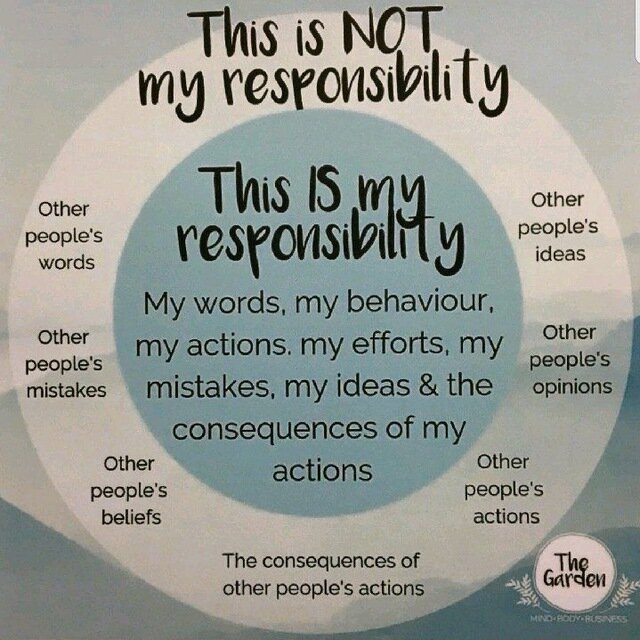
These psychological frameworks show that confidence isn't just a feeling we're born with. It’s a dynamic aspect of our identity, shaped by our social interactions, our personal standards, and our ability to maintain a stable sense of self-worth in the face of challenges. Understanding these mechanisms is the first step toward consciously building and protecting our own confidence.
According to the provided text, what is the best description of self-confidence?
You just finished a job interview and start thinking, 'They probably thought I sounded inexperienced.' According to Charles Cooley's 'looking-glass self' theory, which step of the process does this thought represent?