Cultivating Positive Thoughts
Understanding Positive Thinking
What is Positive Thinking?
Positive thinking isn't about ignoring life's problems. It's about approaching challenges with an optimistic outlook. Instead of dwelling on the worst possible outcomes, you focus on the good and expect positive results. This mental attitude shapes how you see the world, and in turn, how you interact with it.
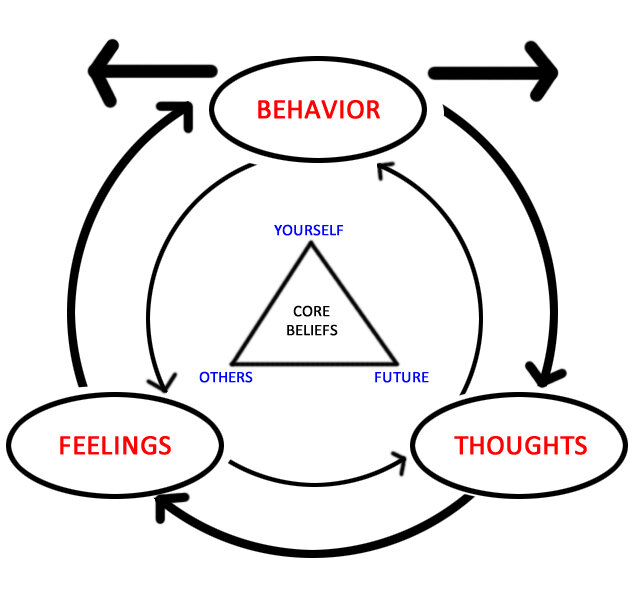
The core idea is that your thoughts have a powerful influence on your well-being. A positive frame of mind can lead to more constructive actions and a greater sense of control over your life. It’s the difference between seeing a setback as a permanent failure versus viewing it as a temporary hurdle to overcome.
Positive thinking is a mental practice that focuses on finding the opportunity in every difficulty.
Impact on Mental Health
The connection between your thoughts and mental health is strong. Cultivating a positive mindset can reduce symptoms of stress, anxiety, and depression. When you consistently look for the good in situations, you train your brain to operate from a place of hope rather than fear.
This is where resilience comes in. Resilience is the ability to bounce back from adversity. People who practice positive thinking tend to be more resilient because they don't see challenges as insurmountable. They view difficult situations as learning experiences and have more confidence in their ability to handle whatever comes their way. This mental fortitude allows them to navigate stress more effectively and recover from setbacks more quickly.
Clearing Up Misconceptions
A common myth is that positive thinking means being happy all the time and ignoring negative emotions. This is sometimes called "toxic positivity." True positive thinking is not about suppressing sadness, anger, or fear. Acknowledging these feelings is a healthy and necessary part of being human.
Instead, positive thinking involves recognizing negative thoughts without letting them take over. It’s about balance. You can acknowledge that a situation is difficult while still believing in your ability to get through it. It's a shift from a destructive, self-critical mindset to a constructive, problem-solving one.
A positive mindset helps you tackle challenges with resilience and creativity, turning potential setbacks into valuable lessons.
A Tool for Stress and Health
Chronic stress can take a toll on your body. A positive outlook acts as a buffer, helping you manage stress more effectively. When faced with a stressful event, a positive thinker is more likely to create a plan of action rather than feeling overwhelmed. This proactive approach can reduce the harmful physical effects of stress, like high blood pressure and a weakened immune system.
Research has linked optimism to better overall health. People with a positive mindset tend to have better cardiovascular health, stronger immune responses, and even a longer lifespan. While it's not a cure-all, thinking positively can be a powerful component of a healthy lifestyle, encouraging better self-care and more proactive health choices.
Ready to check your understanding of positive thinking?
What is the core principle of positive thinking as described in the text?
How does a positive mindset enhance resilience?