Cultivating Erudition
Introduction to Lifelong Learning
The End of Graduation
For many, learning feels like a chapter with a clear beginning and end. You go to school, you study, you graduate, and then… you’re done. But in reality, learning is a continuous journey that extends far beyond the classroom. This ongoing, voluntary, and self-motivated pursuit of knowledge is what we call lifelong learning.
Think of it not as an obligation, but as a mindset. It’s the curiosity that drives you to look up how something works, the desire to pick up a new skill for a hobby, or the need to stay current in a rapidly changing career field. In a world where technology and industries evolve constantly, the ability to learn and adapt is no longer just an advantage—it's essential.
Lifelong learning is about staying curious and open to growth throughout life.
The Lifelong Learner
What does a lifelong learner look like? They aren't necessarily academics or scholars. They are people from all walks of life who share a few key traits.
First, they are deeply curious. They ask questions and actively seek out answers. They see gaps in their knowledge not as failures, but as opportunities to explore something new. This curiosity is fueled by an internal motivation, a genuine desire to understand and grow rather than just chasing external rewards like grades or promotions.
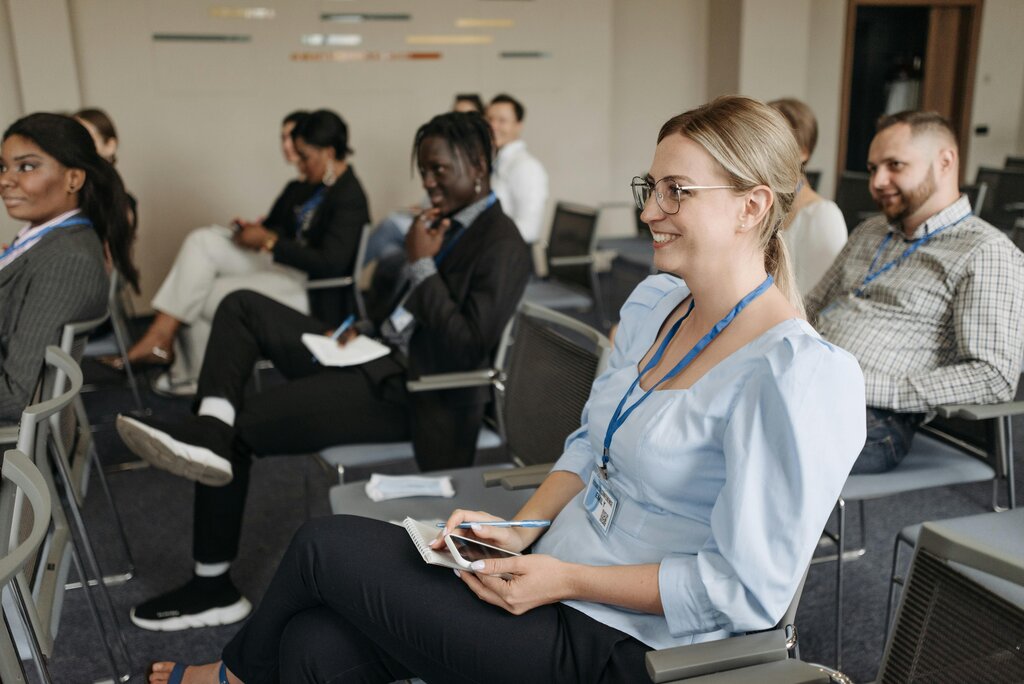
Lifelong learners are also adaptable. They embrace a "growth mindset," believing that their abilities can be developed through dedication and hard work. Instead of shying away from challenges, they welcome them as chances to improve. This outlook makes them resilient and better equipped to handle personal and professional changes.
Why Bother?
The benefits of continuous learning ripple through every aspect of life. On a personal level, it keeps your mind sharp and engaged. Learning a new language, mastering a musical instrument, or diving into a historical period can be incredibly fulfilling and open up new social circles and experiences.
Professionally, the advantages are even more direct. Staying current with industry trends and acquiring new skills makes you a more valuable employee and opens doors to new career opportunities. It’s the difference between keeping up with your field and being left behind.
Embracing lifelong learning leads to increased confidence, a richer understanding of the world, and greater adaptability in the face of change.
Avenues of Learning
Lifelong learning doesn't always mean enrolling in a university. It takes many forms, each valuable in its own right.
| Type | Description | Examples |
|---|---|---|
| Formal Learning | Organized, structured learning that typically leads to a credential. | University degrees, professional certifications, online courses with a final exam. |
| Informal Learning | Learning that happens through daily life experiences. It's often unstructured and unintentional. | Reading a book, watching a documentary, having a conversation, visiting a museum. |
| Self-Directed Learning | Intentional learning you pursue on your own, outside a formal structure. | Using an app to learn a new language, following online tutorials to code, reading articles about a topic of interest. |
A well-rounded learning journey often includes a mix of all three. You might take a formal course to switch careers, learn informally by talking with new colleagues, and then use self-directed study to deepen your expertise in a specific area. Together, these paths create a powerful, ongoing cycle of growth.
Ready to check your understanding? This quiz will cover the core ideas of lifelong learning.
Which of the following best describes the concept of lifelong learning?
A person with a 'growth mindset' believes their abilities can be developed through dedication and hard work.
By embracing curiosity and seeking knowledge in its many forms, you build a foundation for a more engaged and adaptable life.