Culinary Tuna
Introduction to Tuna Varieties
Not All Tuna Are the Same
When you think of tuna, what comes to mind? Maybe it's a simple tuna salad sandwich or a fancy piece of sushi. The truth is, the word "tuna" covers several different species of fish, each with its own unique flavor, texture, and best use in the kitchen.
Understanding these varieties can transform the way you shop for and eat tuna. Let's dive into the five most common types you'll encounter.
The Premium Choices
At the high end of the tuna world are Bluefin and Bigeye. These are the fish most prized by sushi chefs for their rich flavor and high fat content.
Bluefin Tuna (Thunnus thynnus) is the king. It's known for its deep red, fatty meat, especially the belly portion called toro. This richness gives it a melt-in-your-mouth texture that's highly valued for premium sashimi and sushi.
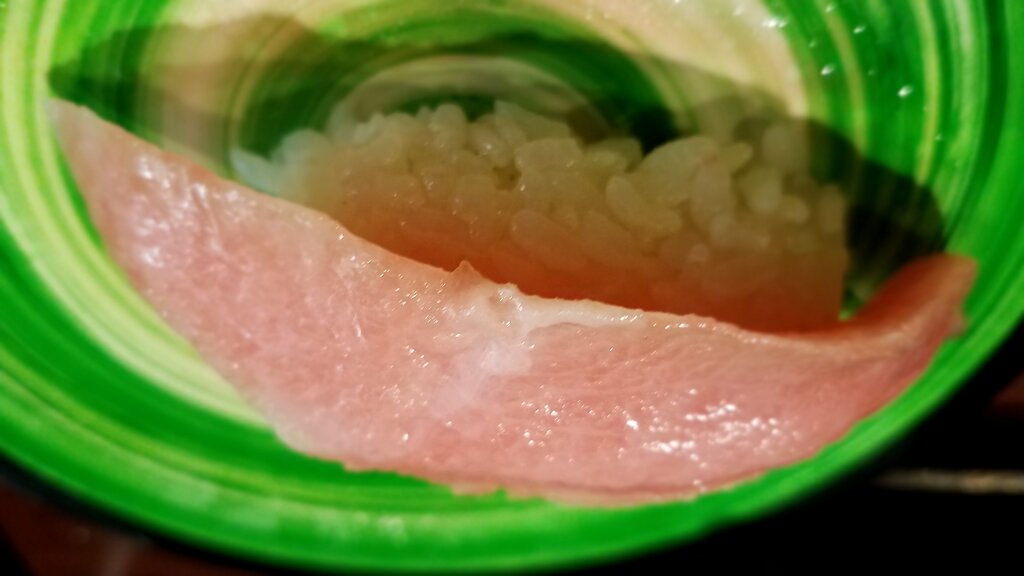
Bigeye Tuna (Thunnus obesus) is a close runner-up to Bluefin. It also has a high fat content and reddish flesh, making it another excellent choice for raw dishes like sashimi. It has a slightly milder flavor compared to Bluefin but is still incredibly rich and buttery.
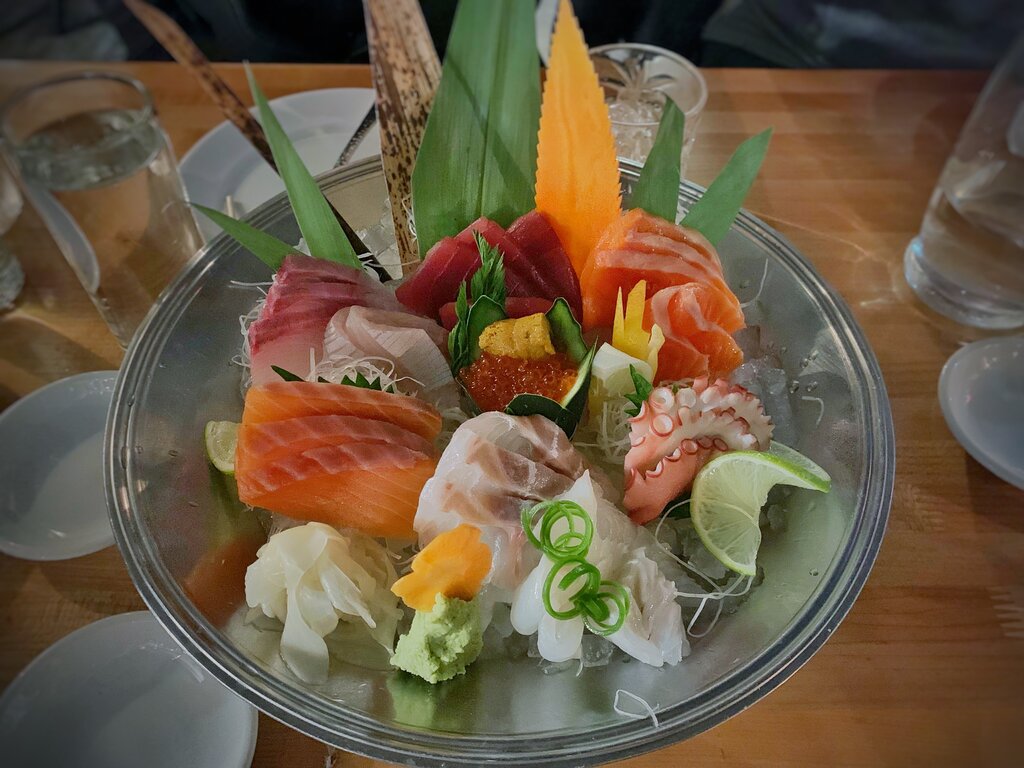
The Everyday Workhorses
While Bluefin and Bigeye are sought after for special occasions, other varieties are more common for everyday cooking and canned products. These are the tunas you're most likely to find at your local grocery store.
Yellowfin Tuna (Thunnus albacares), also known by its Hawaiian name 'ahi', has a milder flavor and firmer texture. Its flesh is a lighter pinkish-red. This makes it incredibly versatile. It's a fantastic choice for searing or grilling as steaks and is also commonly used for sushi and sashimi.
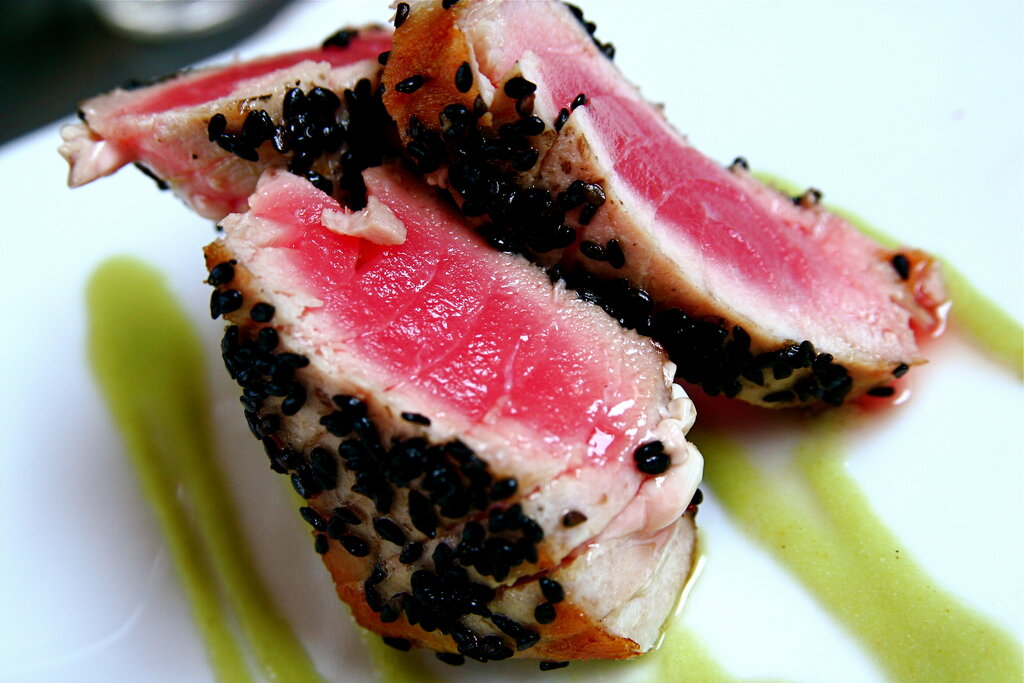
Albacore Tuna (Thunnus alalunga) is the only species that can be labeled "white tuna." It has a very light-colored flesh, a mild flavor, and a firm texture. Because it's less fatty, it can dry out if overcooked, but it's perfect for grilling and is the primary type used for canned solid white tuna.
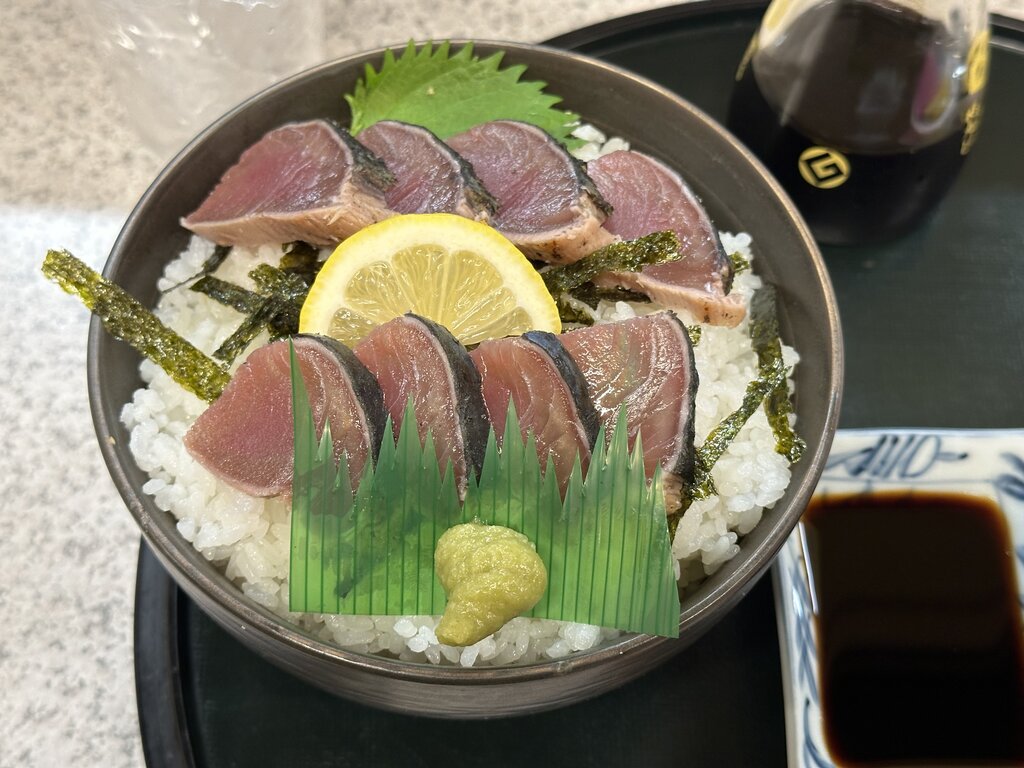
Finally, there's Skipjack Tuna (Katsuwonus pelamis). This is a smaller fish with a much stronger, more pronounced flavor. Skipjack has a darker, purplish flesh and a softer texture. It makes up the majority of canned "light" tuna and is best used in dishes where its strong flavor is a benefit, like tuna salads or casseroles.
| Tuna Variety | Flavor Profile | Best For |
|---|---|---|
| Bluefin | Rich, fatty | Sashimi, high-end sushi |
| Bigeye | Rich, buttery | Sashimi, sushi |
| Yellowfin | Mild, firm | Grilling, searing, sushi |
| Albacore | Very mild | Canning (white), grilling |
| Skipjack | Strong, fishy | Canning (light), salads |
Now that you can tell your Albacore from your Bluefin, let's test your knowledge.
Which type of tuna is most commonly used for canned "light" tuna and is known for its strong, pronounced flavor?
A can of tuna is labeled "solid white." Which species of tuna does it contain?
Knowing the right tuna for the job is the first step in creating a delicious meal. Each has its place, from a simple sandwich to an elegant plate of sashimi.