Culinary Mastery: Advanced Cooking Techniques
Braising
The Magic of Braising
Braising is a cooking method that works wonders, turning tough cuts of meat into incredibly tender, flavorful meals. It's a two-part process that combines both dry and moist heat. First, you sear the food at a high temperature, then you cook it slowly in liquid in a covered pot.
Braising is a cooking technique in which the main ingredient is seared, or browned in fat, and then simmered in liquid on low heat in a covered pot.
This combination creates a dish with deep, complex flavors and a succulent texture that's hard to achieve with other methods. Let's break down how it works.
Choosing the Right Cut
Braising is the perfect technique for tougher, more economical cuts of meat. Think beef chuck, pork shoulder, or lamb shanks. These cuts come from well-exercised muscles and have a lot of connective tissue.
While this tissue makes them tough when cooked quickly, it's the secret ingredient in a good braise. Over a long, slow cooking time, this collagen breaks down into rich, silky gelatin, which gives the final dish its luxurious body and mouthfeel.
Don't shy away from tougher cuts. The slow, moist heat of braising is precisely what they need to become fork-tender.
Building Flavor
The first step, searing, is non-negotiable for a great braise. Searing the meat in a hot pan with a little fat does more than just give it a nice color. It kicks off the Maillard reaction, a chemical process between amino acids and reducing sugars that creates a symphony of deep, savory flavors. This browning is the foundation of your dish's flavor.
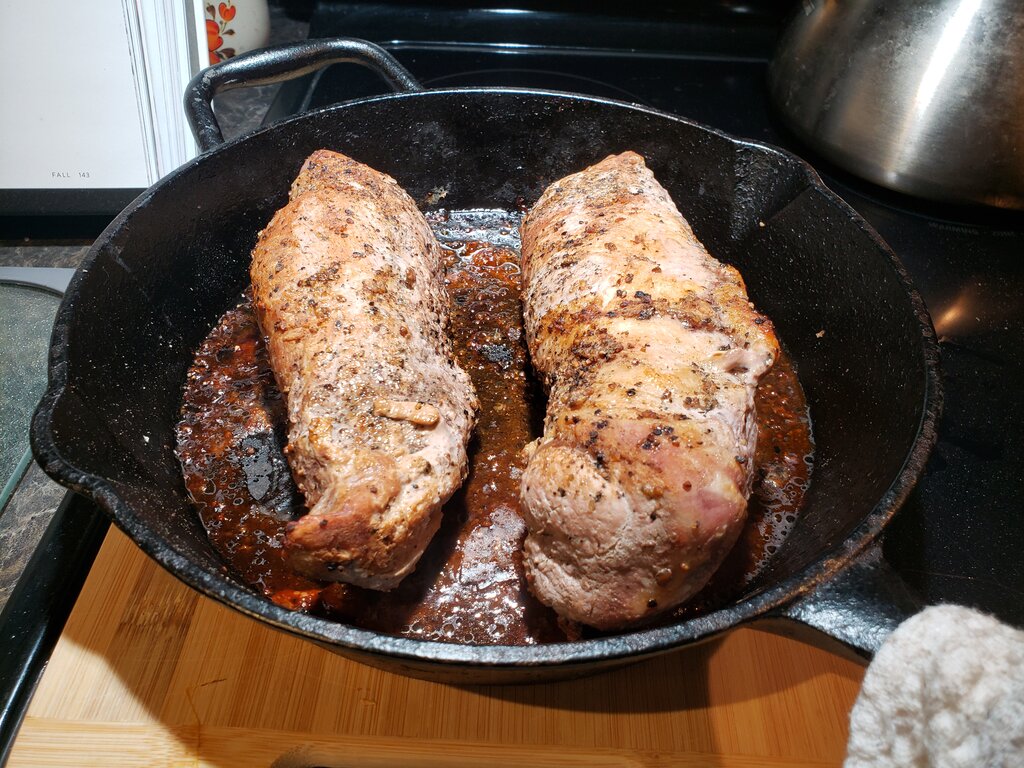
After searing the meat, you typically remove it and sauté aromatics like onions, carrots, and celery (a mix known as mirepoix) in the same pot. This picks up all the delicious browned bits, called fond, from the bottom of the pot.
Next comes the liquid. You can use wine, broth, stock, or even just water. The liquid doesn't need to completely submerge the meat, usually just about halfway to two-thirds up the side is enough. This creates a steamy, gentle environment inside the pot.
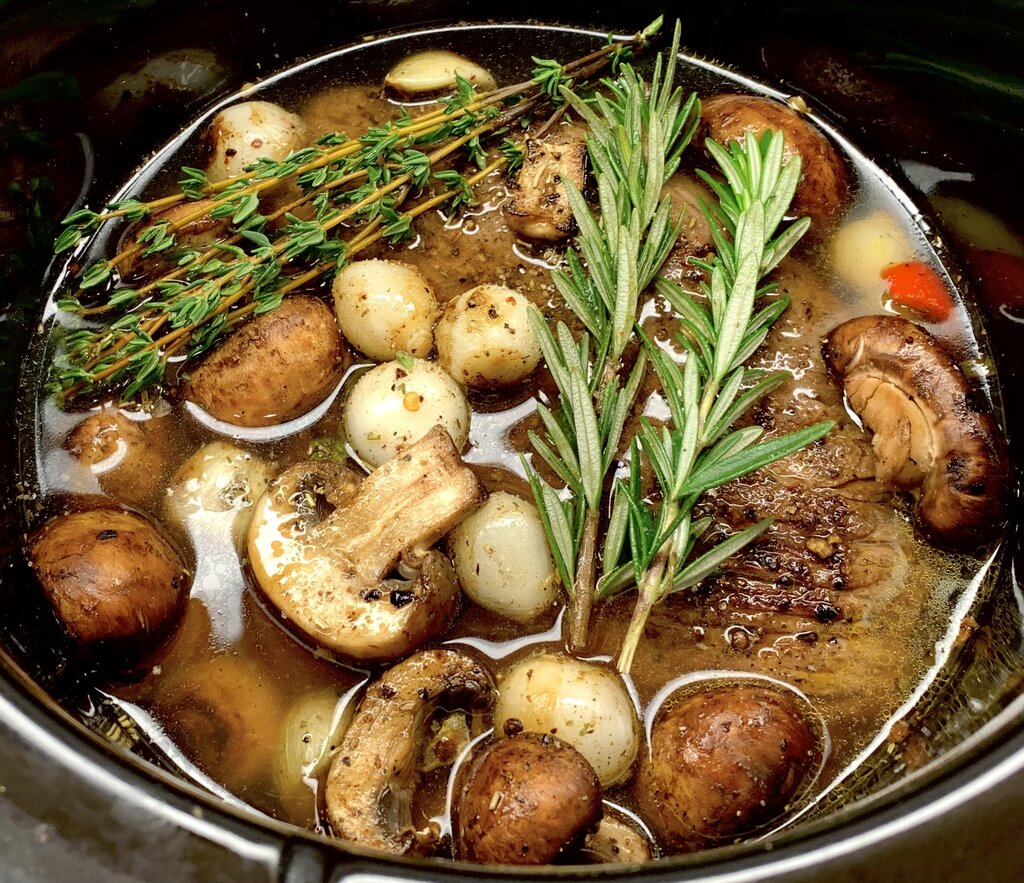
Once the liquid, meat, and aromatics are in the pot, you bring it to a simmer, cover it tightly, and reduce the heat to low. The magic happens over the next few hours as the meat cooks gently, absorbing flavor from the liquid and becoming incredibly tender.
Classic Braised Dishes
Many of the world's most beloved comfort foods are braises. The technique is central to dishes like French Boeuf Bourguignon and Coq au Vin, Italian Osso Buco (braised veal shanks), and German Pot Roast.
By mastering this single technique, you unlock the ability to create a whole world of rich, satisfying meals.
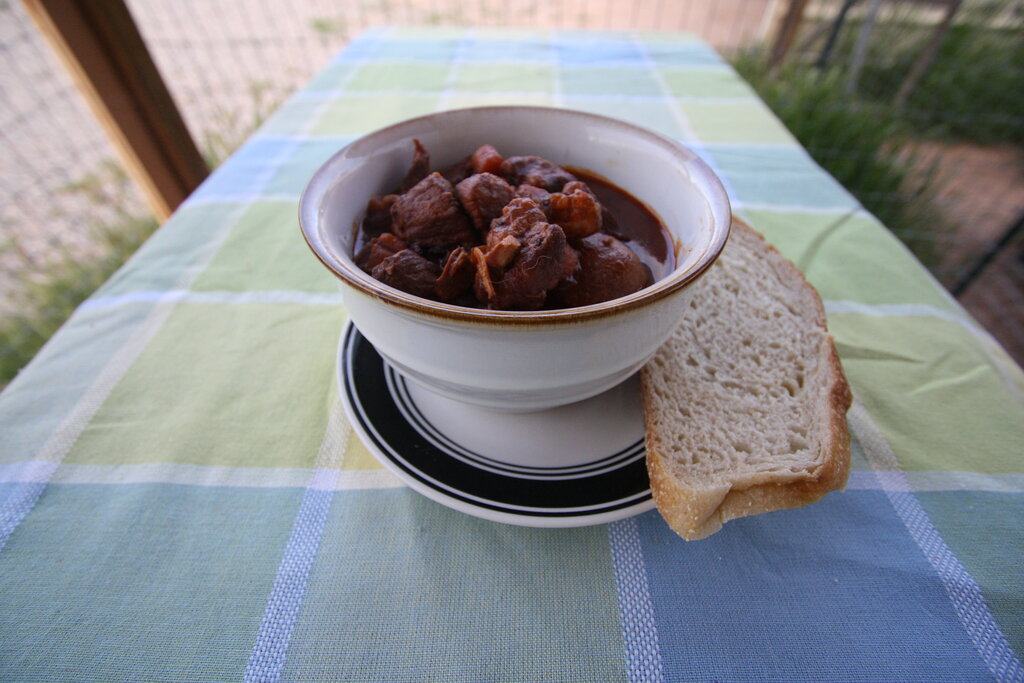
Now you have the fundamentals of braising down, from choosing the right ingredients to understanding the cooking process. It’s a technique that rewards patience with incredible flavor and texture.
What is the primary purpose of searing meat at a high temperature before braising it?
Which of the following cuts of meat is ideal for braising?