Culinary Fundamentals
Kitchen Essentials
Your Kitchen Toolkit
You don’t need a gadget for every task. A well-equipped kitchen relies on a few versatile, high-quality tools. Start with these essentials, and you’ll be prepared for almost any recipe.
Good knife skills are the foundation of efficient and safe cooking.
Your most important tool is a good knife. You don't need a whole block of them. Three will cover most of your needs:
- Chef's Knife: A versatile, 8-inch knife for chopping, slicing, and dicing.
- Paring Knife: A small knife for peeling, trimming, and other delicate tasks.
- Serrated Knife: Perfect for slicing bread, tomatoes, and other soft-skinned foods.
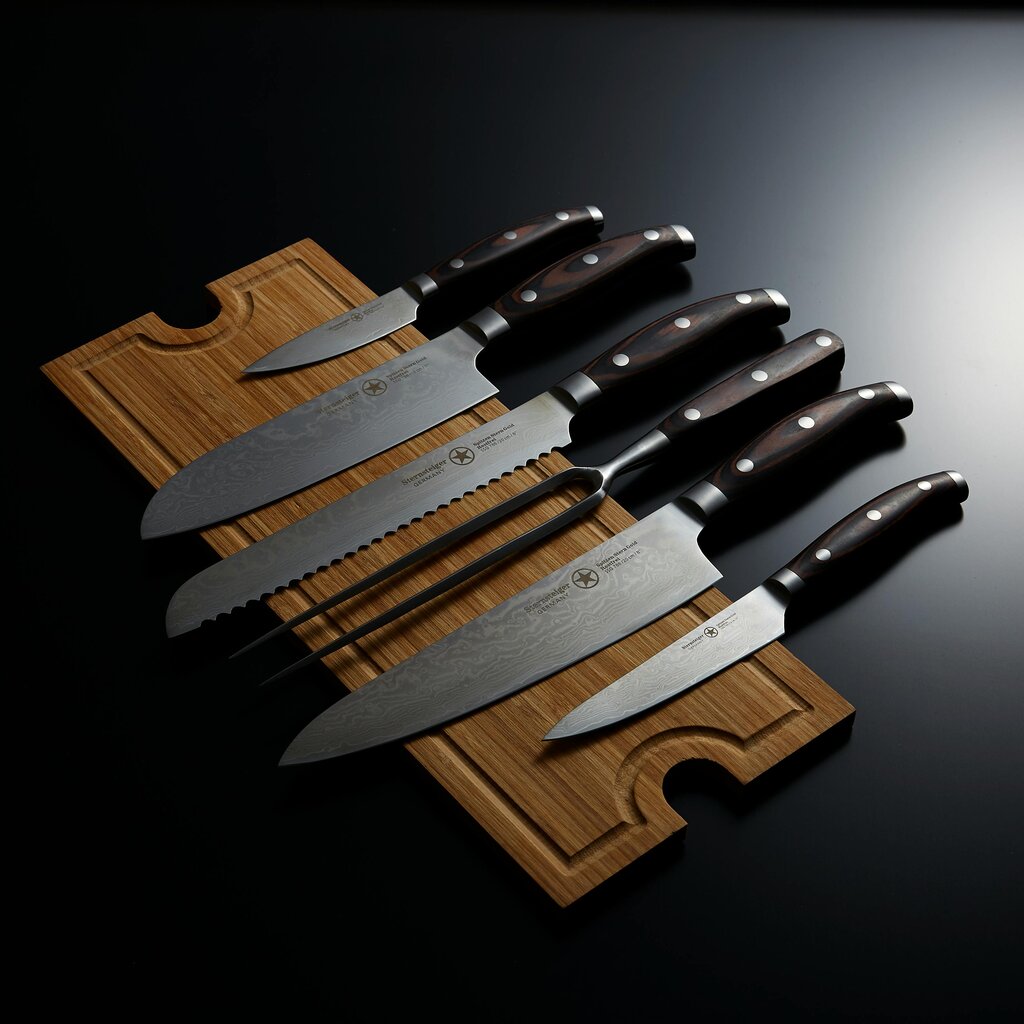
You'll also need a sturdy cutting board. Wood and plastic are both good options. Many cooks prefer having two: one for raw meats and another for fruits, vegetables, and everything else. This helps prevent the spread of bacteria.
For the stovetop, you'll want a few key pieces of cookware:
- Sauté Pan or Skillet: A wide, flat-bottomed pan with slanted sides, great for searing, frying, and sautéing.
- Saucepan: A deeper pot with a long handle, ideal for cooking sauces, boiling water, and reheating liquids.
- Stockpot: A large, deep pot for making soups, stews, and boiling pasta.
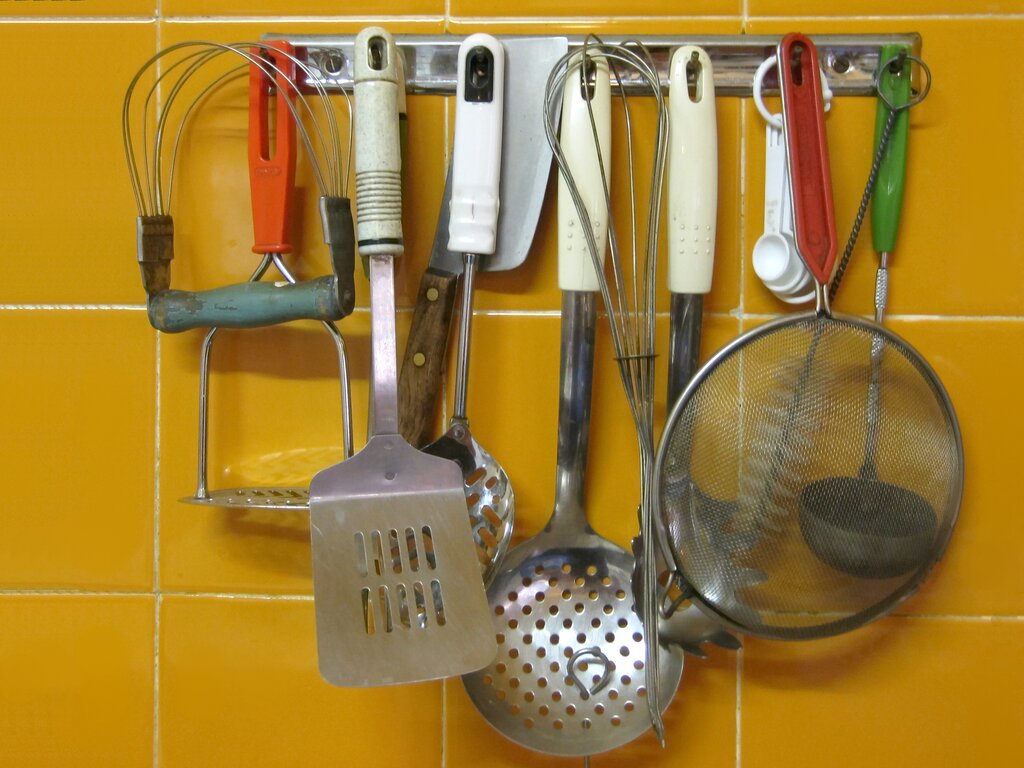
Finally, accurate measuring is key to consistent results. Get a set of measuring cups and spoons for dry ingredients like flour and sugar, and a separate liquid measuring cup with a spout. For serious bakers, a digital kitchen scale is the best way to ensure precision.
Handling Knives Safely
The single most important rule of knife safety is to keep your knives sharp. A dull knife is more likely to slip off the food and cut you. A sharp knife bites into the food, giving you more control.
How you hold the knife also matters. The best way to control a chef's knife is with the "pinch grip." You grip the handle with your last three fingers, while your thumb and index finger pinch the blade just in front of the handle. It feels awkward at first but offers superior stability.
Your other hand, the guiding hand, should be in a "claw grip." Curl your fingertips under, so your knuckles are forward, resting against the side of the blade. This protects your fingertips and helps you guide the knife for even slices.
Never try to catch a falling knife. Just step back and let it drop. When you're done, wash and dry your knives by hand immediately and store them properly, not loose in a drawer.
Staying Safe in the Kitchen
Beyond knives, the kitchen has other potential hazards. Being mindful is the best way to prevent accidents.
Fire safety is critical. Keep towels, paper, and other flammable items away from the stove. Turn pot handles inward so they can't be knocked over. If a grease fire starts in a pan, never use water on it. Water will cause the burning grease to splash and spread. Instead, turn off the heat and smother the flames by sliding a lid over the pan. It's always a good idea to have a fire extinguisher in your kitchen and know how to use it.
Clean as you go. A tidy workspace is a safer and more efficient workspace.
Good hygiene prevents foodborne illness. Always wash your hands with soap and water before you start cooking, after handling raw meat, and any time they get dirty.
To avoid cross-contamination, use separate cutting boards and utensils for raw meat, poultry, and seafood. Wash everything that comes into contact with raw meat in hot, soapy water. Keep your countertops and sink clean to create a safe environment for preparing food.
Ready to test your knowledge?
Which knife is specifically recommended for slicing foods with soft skins, like tomatoes and bread?
According to knife safety principles, a dull knife is more dangerous than a sharp one.
With the right tools and a focus on safety, you've built a strong foundation. Now you're ready to start cooking with confidence.