Culinary Foundations Masterclass
Kitchen Safety
Stay Sharp and Safe
The most fundamental tool in the kitchen is also one of the most dangerous if not handled correctly. But good knife skills aren't about speed; they're about control and safety. It starts with how you hold both the knife and the food.
When holding the knife, grip the handle firmly with your dominant hand, pinching the base of the blade between your thumb and forefinger. This gives you maximum control. For the food you're cutting, use a 'claw grip.' Curl your fingertips under, like you're holding a ball, and use your knuckles to guide the side of the blade. This keeps your fingertips safely tucked away from the cutting edge.
Always cut on a stable surface, preferably a cutting board that doesn’t slip. If it does, place a damp paper towel underneath it. When you need to walk with a knife, hold it pointing down at your side. Never try to catch a falling knife.
Finally, think about storage. Tossing knives into a drawer with other utensils is a recipe for dull blades and cut fingers. Use a knife block, a magnetic strip on the wall, or individual sheaths to keep them secure and sharp.
A sharp knife is a safe knife. A dull blade requires more pressure to cut, making it more likely to slip off the food and into your hand.
Handle the Heat
Kitchen fires are surprisingly common, but also highly preventable. The number one rule is to never leave cooking unattended. A pot can boil over or grease can ignite in seconds.
Keep the area around your stove clear of anything flammable: oven mitts, wooden utensils, paper towels, and food packaging. Also, make sure to clean up grease spills on your stovetop and in your oven. Grease is fuel for a fire.
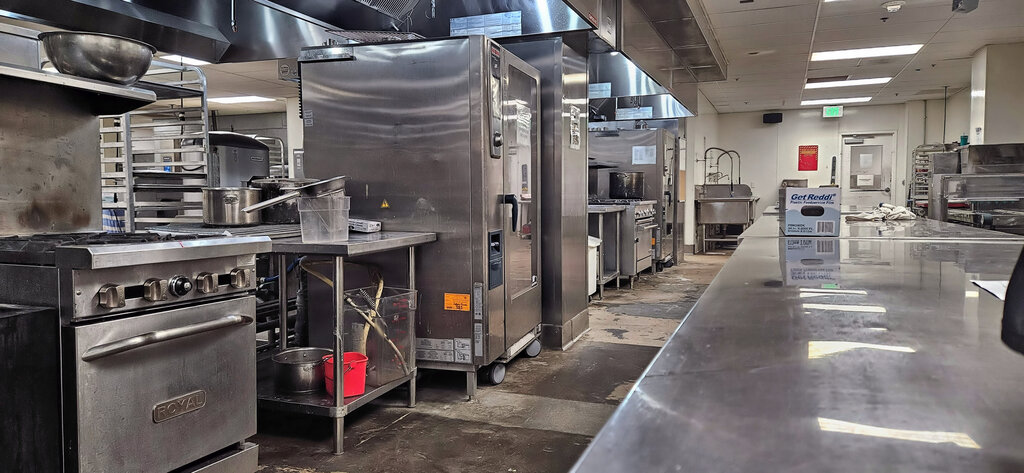
Know how to handle different types of fires. If a small grease fire starts in a pan, don't use water. It will cause the burning grease to splash and spread the fire. Instead, turn off the heat and cover the pan with a metal lid to smother the flames. For an oven fire, keep the door closed and turn off the oven. The fire will usually burn itself out.
Every kitchen should have a fire extinguisher rated for Class B (flammable liquids like grease) and Class C (electrical) fires. Make sure you know how to use it.
Appliances and Hygiene
Modern kitchens are full of appliances that save us time and effort, but they come with their own safety rules. Always read the instruction manual before using a new appliance. Make sure your hands are dry when handling electrical equipment to avoid shock, and never use an appliance with a frayed cord.
Unplug small appliances like toasters and blenders when you're not using them. Be mindful of microwaves; use only microwave-safe containers and never put metal inside. When using a blender, make sure the lid is on securely before turning it on, especially with hot liquids.
The essentials: wash hands, separate raw meat, sanitize surfaces, cook to correct temps, and store food properly.
Cleanliness is just as important as fire safety. Foodborne illnesses often start with cross-contamination. This happens when bacteria from one food, typically raw meat, gets onto another food that won't be cooked.
To prevent this, use separate cutting boards for raw meat and produce. If you only have one, wash it thoroughly with hot, soapy water after it touches raw meat. Always wash your hands, knives, and countertops after handling raw meat, poultry, or seafood.
This principle, known as 'Clean as You Cook,' not only prevents illness but also makes the cooking process more organized and less stressful. A tidy workspace is a safe and efficient workspace.
Now, let's test what you've learned about keeping your kitchen safe.
What is the recommended 'claw grip' technique for holding food while cutting?
If a small grease fire starts in a pan on your stovetop, what is the correct immediate action?
By making these practices habits, you create a cooking environment that is not only safe but also more enjoyable and efficient.