Culinary Chef Mastery
Kitchen Fundamentals
The Foundation of Every Kitchen
Before a single ingredient is chopped or a pan is heated, the groundwork for a successful kitchen is laid. This foundation isn't built on recipes, but on safety, cleanliness, and a deep understanding of your tools. A clean, organized space is an efficient and safe space, allowing a chef to focus on the craft of cooking.
This principle of preparation is famously known in the culinary world as mise en place. It’s a French phrase that means “everything in its place.” While it often refers to prepping ingredients, the concept extends to the entire kitchen environment.
Safety and Sanitation First
A professional kitchen follows strict rules to prevent foodborne illness. The most critical rule involves temperature control. Bacteria thrive in what's known as the Temperature Danger Zone, a range between () and (). The goal is to keep cold foods cold and hot foods hot, moving them through this zone as quickly as possible.
Another major risk is cross-contamination. This happens when harmful bacteria from one food, typically raw meat, spread to another. Imagine using the same cutting board for raw chicken and then for slicing tomatoes for a salad. This simple mistake can make people sick.
To prevent this:
- Use separate cutting boards for raw meats, poultry, seafood, and fresh produce. Color-coded boards are common in professional kitchens.
- Wash your hands, knives, and surfaces with hot, soapy water after handling raw meat.
- Store raw meat on the bottom shelf of the refrigerator, below other foods, to prevent drips.
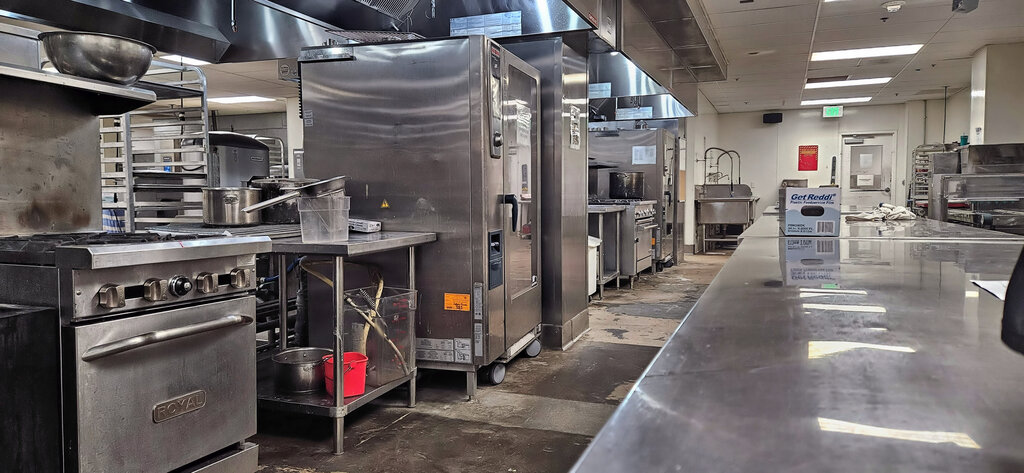
It's also important to distinguish between cleaning and sanitizing. Cleaning removes visible dirt and food particles, while sanitizing reduces pathogens to safe levels. You must always clean a surface before you sanitize it. Think of it as a one-two punch against germs.
Hygiene is the backbone of a professional kitchen, ensuring food safety, maintaining customer trust, and creating a safe working environment for chefs and staff.
Know Your Tools
A kitchen is full of specialized equipment, and knowing how to use it safely and correctly is non-negotiable. Beyond the basics, you'll encounter commercial-grade ranges that produce intense heat, and convection ovens that use fans to circulate air for faster, more even cooking.
When working with equipment like industrial mixers or food processors, always ensure the machine is off before you place your hands or a utensil inside the bowl or container. Never bypass safety guards.
| Tool | Primary Use |
|---|---|
| Chef's Knife | All-purpose knife for chopping, slicing, mincing. |
| Paring Knife | Peeling, trimming, and other small, intricate tasks. |
| Serrated Knife | Slicing bread and delicate items like tomatoes. |
| Honing Steel | Realigning the edge of a knife blade. |
| Whisk | Blending ingredients smoothly, incorporating air. |
| Bench Scraper | Clearing surfaces, portioning dough, lifting items. |
| Digital Scale | Precise measurement of ingredients by weight. |
The Chef's Most Important Tool
Of all the tools in a kitchen, none is more essential than the knife. Good knife skills are about more than just speed; they're about safety, precision, and consistency. An improperly held knife is dangerous, and uneven cuts lead to unevenly cooked food.
Good knife skills are the foundation of efficient and safe cooking.
The most fundamental skill is the grip. The handle should be held firmly with three fingers, while the thumb and index finger “pinch” the blade at the bolster, the point where the blade meets the handle. This provides maximum control and stability. Your other hand, the “guide hand,” should be formed into a claw shape, with fingertips tucked under, to hold the food in place and protect your fingers.
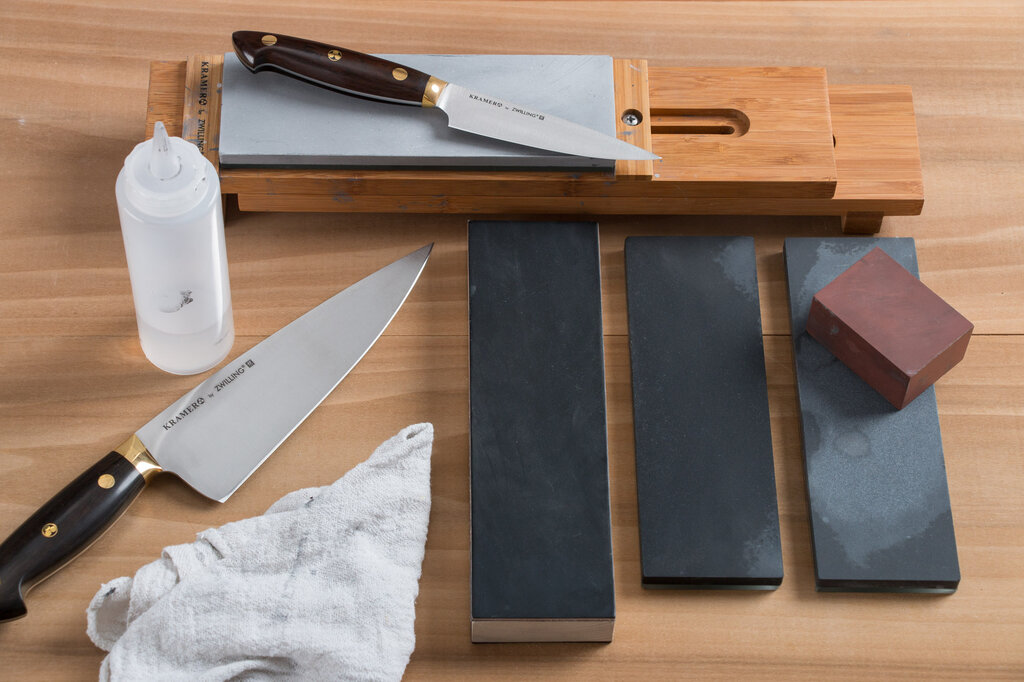
Finally, a sharp knife is a safe knife. A dull blade requires more pressure to cut, increasing the chance it will slip. Knives should be regularly honed to keep the blade's edge aligned and sharpened on a whetstone when honing is no longer effective.
What is the Temperature Danger Zone, the range in which bacteria multiply most rapidly?
To prevent cross-contamination, where is the safest place to store raw meat in a refrigerator?
Understanding these fundamentals is the first and most important step in any culinary journey.