CT Metering with WattNode
Introduction to Electrical Energy Measurement
Power Versus Energy
To understand electrical energy, it helps to first distinguish it from power. Think of electricity flowing through a wire like water flowing through a pipe. Power is the rate of flow at any given moment. It’s like measuring how many gallons of water are passing a point each minute. In electricity, power is measured in watts (W) or kilowatts (kW).
Energy, on the other hand, is the total amount of electricity used over a period of time. It's the total volume of water that has flowed through the pipe after an hour. Electrical energy is what you actually pay for on your utility bill. The most common unit for electrical energy is the kilowatt-hour (kWh), which is the energy consumed by using one kilowatt of power for one hour.
Why We Measure
You can't manage what you don't measure. Accurate energy monitoring is crucial for two main reasons: managing costs and improving efficiency.
Utility companies bill customers based on their total energy consumption in kilowatt-hours. By tracking your energy usage, you can understand your bill, predict future costs, and identify opportunities to save money. Without measurement, you’re flying blind.
Monitoring also reveals waste. Imagine a factory manager who notices that a large machine is drawing significant power overnight, even when it's supposed to be off. By measuring the energy consumption of that specific machine, the company can pinpoint the problem, fix it, and cut down on wasted energy. This applies to any scale, from a single lightbulb left on in a closet to an entire office building's HVAC system.
The Role of Meters
Electrical energy is measured using a metering device, or simply, a meter. The most familiar example is the utility meter attached to the outside of your home. This device continuously tracks the power being drawn from the grid and adds it up over time to calculate the total energy consumed.
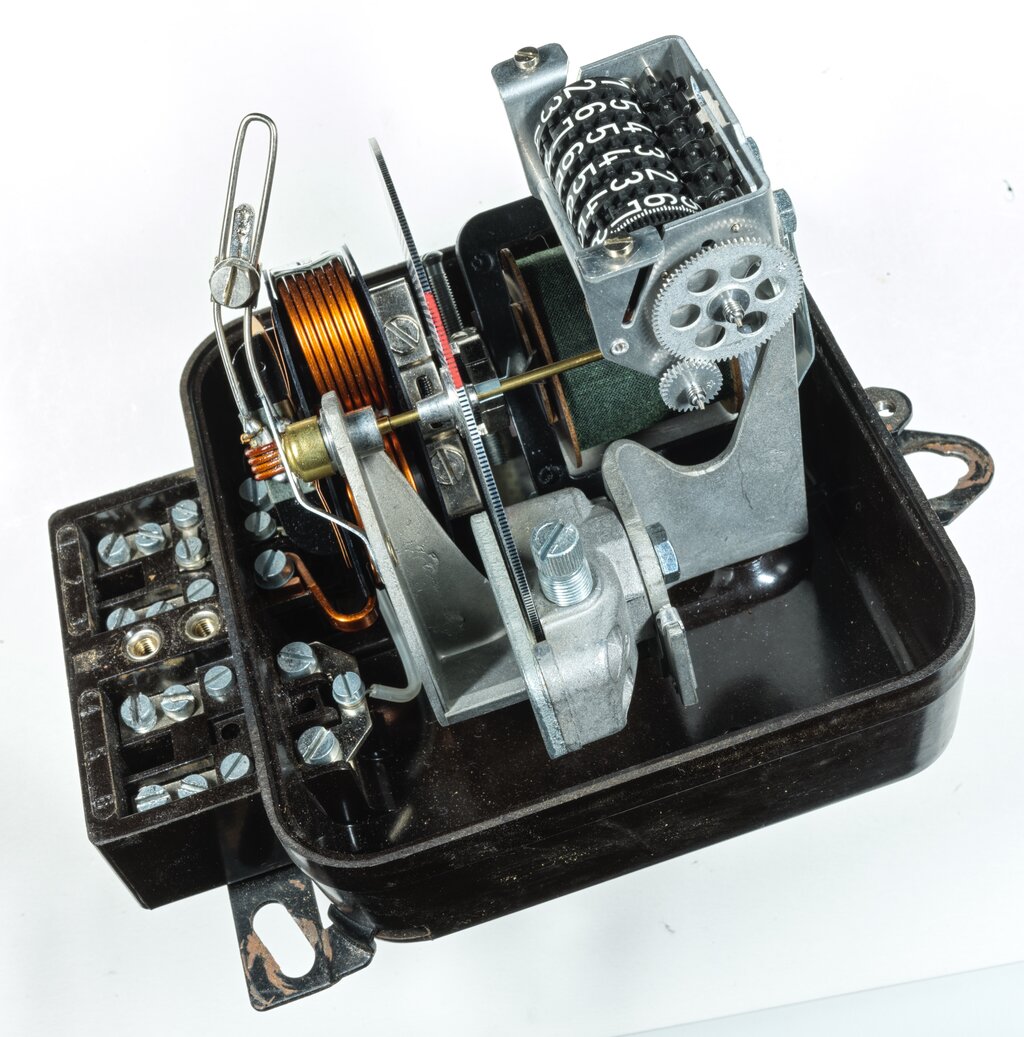
At its core, an energy meter multiplies voltage and current to find power, and then integrates that power measurement over time to determine energy. Modern digital meters perform this calculation electronically.
Meters essentially act as a cash register for electricity, tracking how much energy is used so that it can be billed for.
While a main utility meter shows the total consumption for a property, it doesn't provide details about where that energy is going. For more granular insights, we use submeters. These are meters installed on specific circuits or pieces of equipment within a building. A submeter could track the energy used by the lighting on one floor, the machinery in one part of a factory, or the apartments in a multi-unit building. This detailed data is the key to effective energy management and conservation.