CSIQ Market Performance and Stock Prediction
Introduction to Stock Market Basics
What Is a Stock Market?
Think of the stock market as a massive, organized marketplace. But instead of selling fruits and vegetables, this market sells tiny pieces of companies. These pieces are called stocks or shares.
When you buy a stock, you're buying a small slice of ownership in a public company, like Apple or Ford. If that company does well and its value grows, the value of your slice can grow too. Companies sell these slices to raise money, which they use to fund new projects, hire more people, or expand their business. For investors, it's a way to potentially grow their money by sharing in the successes of these businesses.
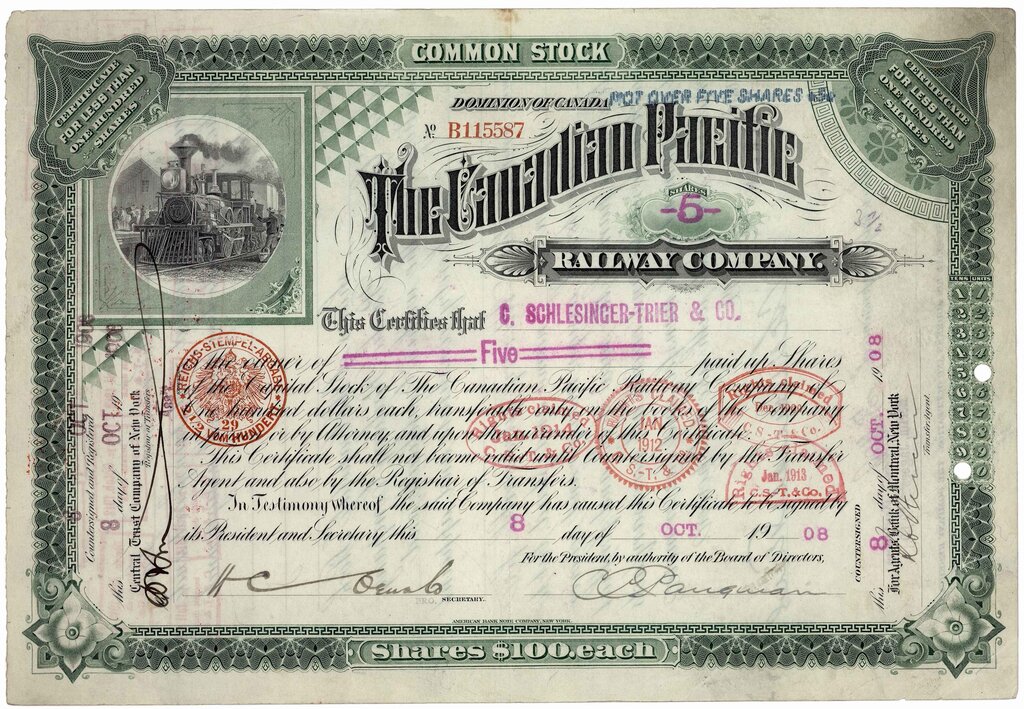
In essence, the stock market connects companies that need capital with people who have capital to invest. It's a crucial engine for economic growth, channeling savings into productive ventures.
Where Trading Happens
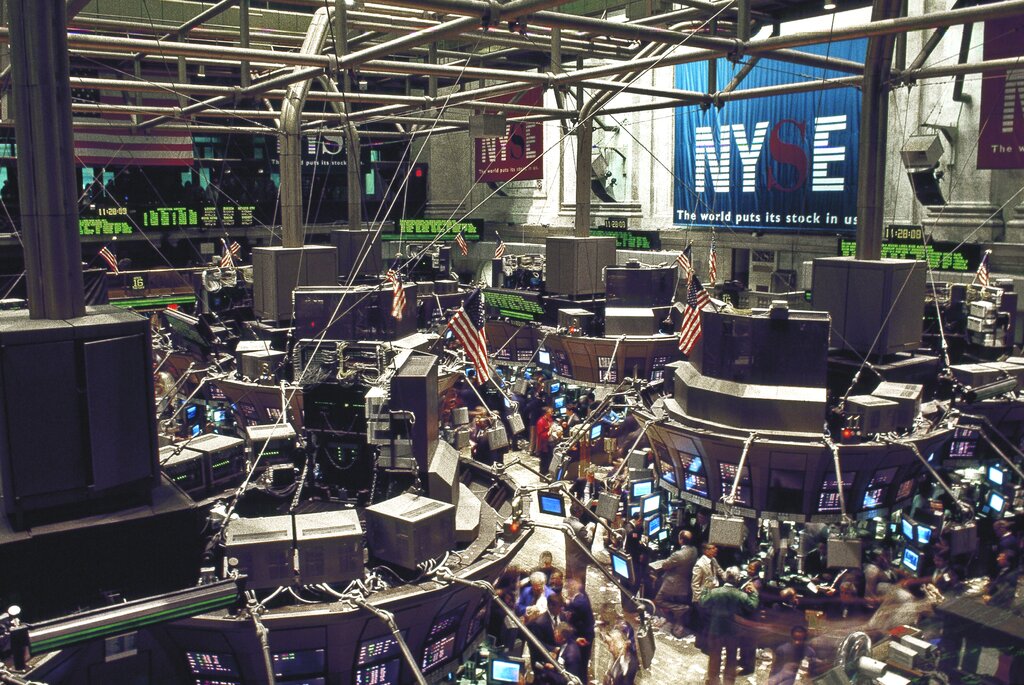
Stocks are traded on stock exchanges. These are the venues where buyers and sellers come together. Two of the most famous exchanges are the New York Stock Exchange (NYSE) and the Nasdaq. The NYSE has a physical trading floor, though most trading is now electronic. The Nasdaq has always been a fully electronic market.
Exchanges provide a regulated and orderly environment for trading. They ensure that prices are fair and transparent and that trades are settled correctly. Every country has its own major exchanges, like the London Stock Exchange or the Tokyo Stock Exchange.
The People and Players
The market is made up of millions of different participants, but they generally fall into a few key groups.
Individual Investors: These are regular people, often called retail investors. They might be saving for retirement, a down payment on a house, or other long-term goals. They typically buy and hold stocks for months or years.
Traders: Traders buy and sell stocks much more frequently, sometimes within the same day. Their goal is to profit from short-term price fluctuations rather than long-term growth.
Institutional Investors: This group includes large organizations that manage massive pools of money. Think of pension funds, mutual funds, insurance companies, and university endowments. Because they trade in such large volumes, their actions can have a significant impact on stock prices.
How a Trade Works
When you decide to buy or sell a stock, you're entering an auction. For every stock, there's always a price someone is willing to pay and a price someone is willing to sell for.
The bid price is the highest price a buyer is currently willing to pay for a stock. The ask price is the lowest price a seller is currently willing to accept for that same stock.
The difference between these two prices is called the bid-ask spread. This spread is essentially a small transaction cost built into the market. For popular, heavily traded stocks, the spread is usually very small, maybe just a penny. For less common stocks, it can be wider.
To actually place a trade, you submit an order through a brokerage. There are two basic types of orders you need to know.
| Order Type | How It Works | Best For... |
|---|---|---|
| Market Order | Buys or sells immediately at the best available current price. | When speed is more important than the exact price. |
| Limit Order | Buys or sells only at a specific price or better. | When the price is more important than immediate execution. |
With a market order, your trade is virtually guaranteed to go through, but you might pay slightly more (or receive slightly less) than you expected. With a limit order, you control the price, but your trade might not happen at all if the stock's price never reaches your limit.
What is the primary purpose of the stock market in an economy?
Buying a share of a company's stock means you are purchasing a small slice of ownership in that business.
Understanding these core concepts is the first step. You now know what the market is for, where it operates, who the main players are, and the basic mechanics of a trade.