Crystal Growth via Czochralski Method
Introduction to Crystal Growth
Building with Atoms
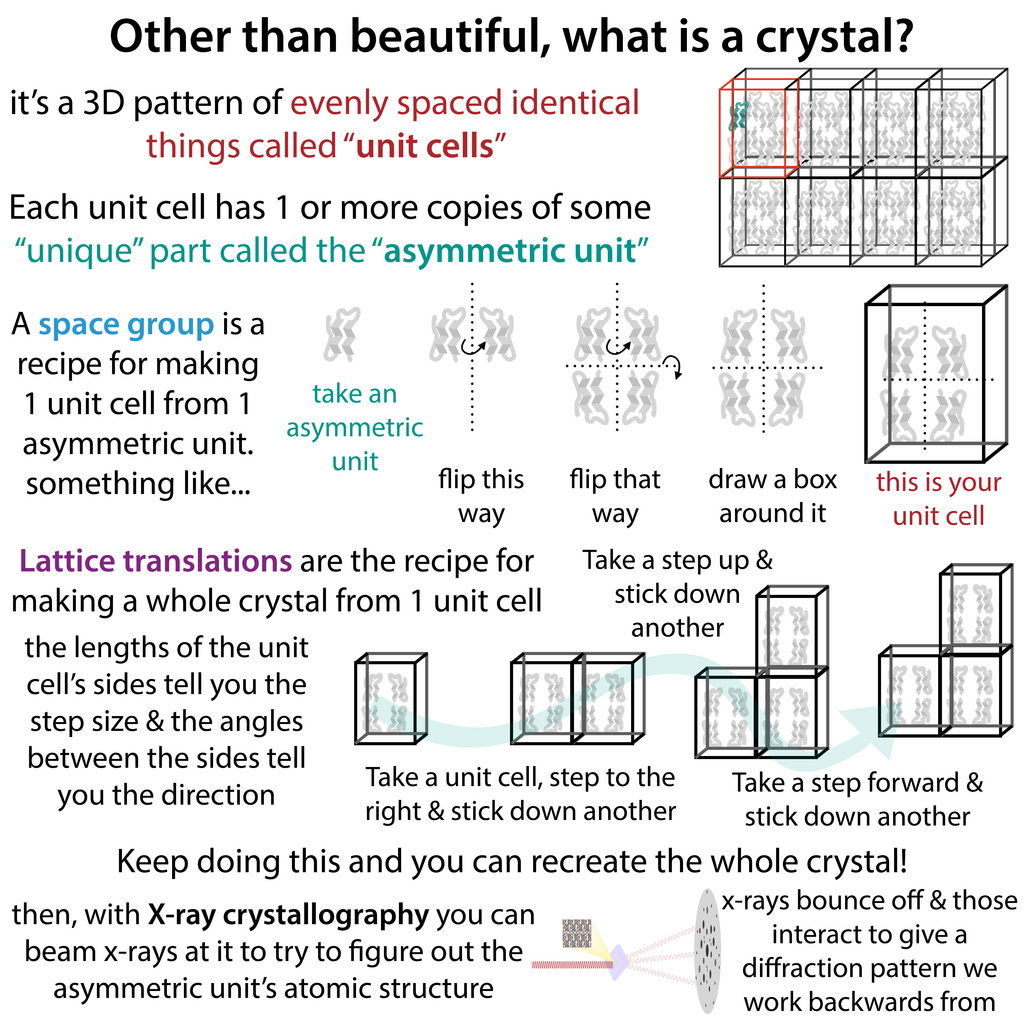
At its heart, a crystal is a solid where atoms, molecules, or ions are arranged in a highly ordered, repeating pattern. Think of it like building with LEGO bricks, where each brick is placed in a precise, predictable location to create a larger structure. Crystal growth is simply the process of that structure forming, one building block at a time.
This process is happening all around us. The salt in your shaker, the sugar in your bowl, and the snowflakes that fall in winter are all crystals. In technology, crystal growth is essential. The silicon chips that power our computers and phones are made from massive, perfectly grown single crystals. Understanding how to grow them is fundamental to modern electronics.
The Driving Force
Crystals don't just form spontaneously. They need a reason to grow. The main driving force is a condition called supersaturation. Imagine dissolving sugar in a cup of hot tea. You can dissolve a lot of it. But as the tea cools, it can't hold as much sugar. The solution is now supersaturated, meaning it contains more dissolved material than it can normally handle at that temperature. The excess sugar has to go somewhere, so it begins to form solid crystals.
This principle applies whether you're growing crystals from a liquid solution, a molten material (a melt), or even a gas. You need a surplus of building blocks that are ready to assemble.
Nucleation
noun
The first step in crystal formation, where a small, stable cluster of atoms or molecules (a nucleus) forms from a supersaturated phase.
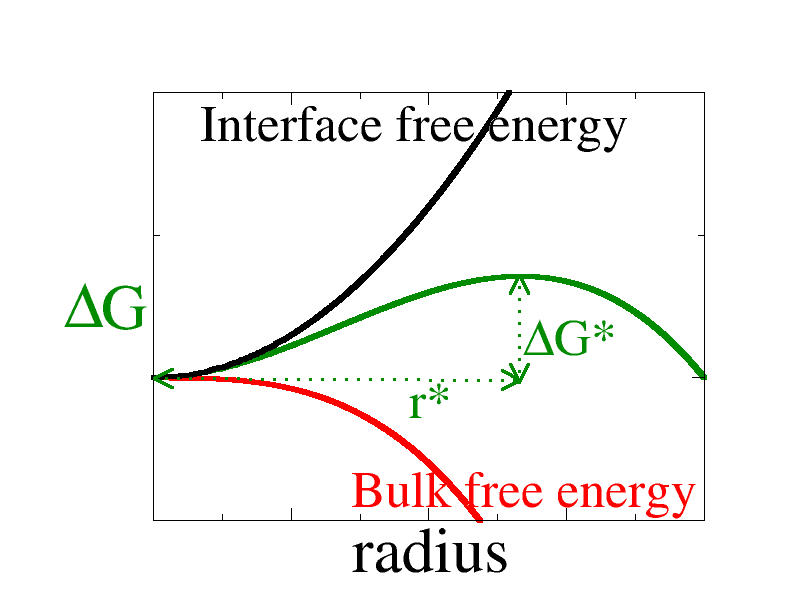
Once the conditions are right, the first step of growth can occur: nucleation. This is the birth of a tiny crystal seed, or nucleus. It's a difficult start. The universe tends to favor disorder, so forming an ordered structure requires overcoming an energy barrier.
Sometimes a few atoms will bump into each other and stick together randomly in the correct orientation, forming a nucleus. This is called homogeneous nucleation. More often, they need a little help. A tiny speck of dust, an impurity, or even a scratch on the container wall can provide a surface for the first atoms to attach to. This is heterogeneous nucleation, and it's a much easier path to starting a crystal.
Shaping the Crystal
After a stable nucleus has formed, it begins to grow as more atoms or molecules attach themselves to its surface. The speed and manner of this growth determine the final crystal's characteristics. These are known as kinetic factors.
The rate of growth is crucial. If growth happens very quickly, atoms might attach in a messy, disorganized way, leading to many small, imperfect crystals. To grow large, high-quality crystals, the process usually needs to be very slow and carefully controlled. This gives each new atom time to find its perfect spot in the crystal lattice.
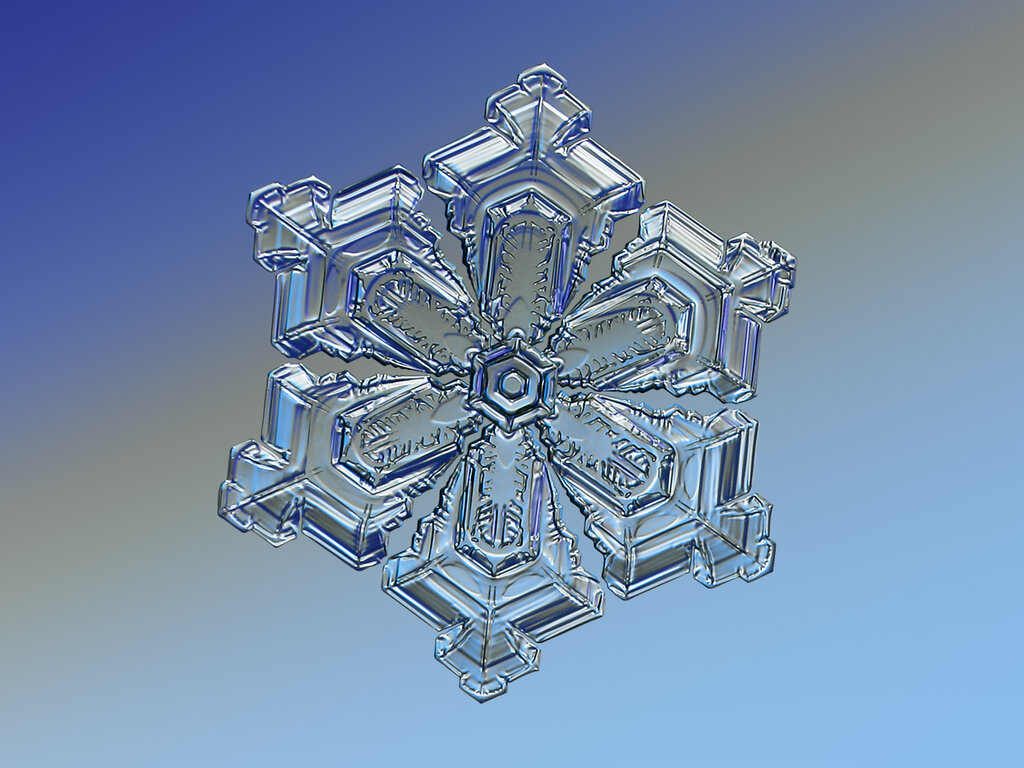
The conditions during growth also define the crystal's final shape, or morphology. The beautiful, flat faces and sharp edges we associate with crystals aren't accidental. They are the outward expression of the crystal's internal atomic arrangement. Different faces of a crystal can grow at different speeds. The faces that grow the slowest are the ones that remain, defining the crystal's overall shape. That’s why quartz crystals tend to form six-sided prisms and salt crystals form tiny cubes.
How to Grow a Crystal
Scientists and engineers use several methods to grow crystals, generally grouped into three categories based on the starting material.
Melt Growth: The material is first melted into a liquid. A seed crystal is then introduced, and the temperature is slowly lowered, causing the liquid to solidify onto the seed, extending its crystalline structure. It’s like making an ice cube, but with far more control.
This method is common for materials that melt without decomposing, like silicon for computer chips.
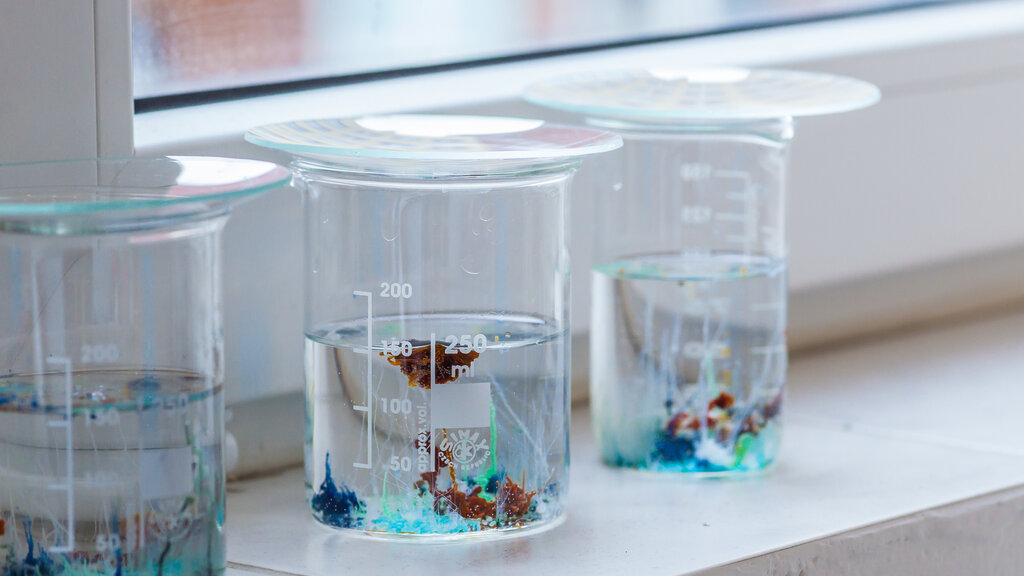
Solution Growth: A solid material is dissolved in a solvent to create a supersaturated solution. As the solvent evaporates or the solution cools, the dissolved material precipitates out and forms crystals. This is how rock candy is made from a sugar-water solution.
Vapor Growth: The material is turned into a gas or vapor. This vapor is then transported to a cooler region where it deposits onto a surface (a substrate), solidifying directly from a gas into a crystal. This is the same process that forms frost on a cold window pane on a winter morning.
Each method has its advantages and is chosen based on the properties of the material being crystallized.
Ready to check your understanding?
What is the most fundamental characteristic of a crystal?
A cup of hot water has a large amount of sugar dissolved in it. As the water cools, sugar crystals begin to form at the bottom. This is because the cool water has become ___________.
Understanding these core principles of supersaturation, nucleation, and growth is the first step toward mastering the art and science of making crystals.