Cryptocurrency Trading Essentials
Introduction to Cryptocurrencies
Money Beyond Governments
At its heart, a cryptocurrency is digital money. Unlike the dollars, euros, or yen in your bank account, it isn't issued or controlled by any central authority like a government or a bank. This is its defining feature: decentralization.
Think of it as a form of cash that exists only on the internet. You can send it directly to another person without an intermediary. This idea isn't entirely new, but it took a long time to solve a key problem: how do you stop someone from spending the same digital coin twice? A breakthrough came in 2008 when a person or group using the name Satoshi Nakamoto published a paper outlining a system called Bitcoin.
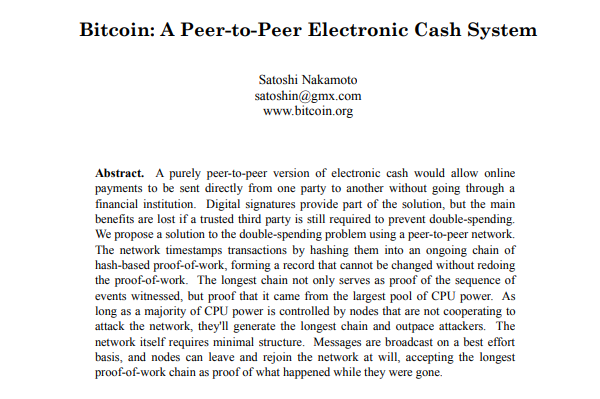
Bitcoin launched in 2009 as the first decentralized cryptocurrency. It proposed a purely peer-to-peer version of electronic cash, allowing online payments to be sent directly from one party to another without going through a financial institution. This innovation kicked off the entire world of crypto.
Traditional currencies are called “fiat” currencies because their value comes from a government decree, or fiat. Cryptocurrencies derive their value from user trust, scarcity, and the security of their underlying technology.
The Blockchain Breakthrough
So how did Bitcoin solve the double-spending problem? The answer is a technology called blockchain. It's a simple concept with powerful implications. A blockchain is a distributed digital ledger, like a shared notebook that's duplicated across thousands of computers around the world.
Blockchain is the foundational technology on which most cryptocurrencies are built.
When a transaction occurs, it's broadcast to the network. Computers on the network group it with other recent transactions into a 'block'. This block is then cryptographically linked to the previous block, forming a 'chain'.
- Decentralized: The ledger isn't stored in one place. It’s shared among all participants in the network. No single person or company owns it.
- Transparent: Anyone on the network can typically view the transactions. This keeps the system honest.
- Immutable: Once a transaction is added to the blockchain, it's extremely difficult to alter or remove. Changing a block would require changing all subsequent blocks and gaining control of a majority of the network's computing power, which is practically impossible for large networks.
This structure creates a secure and trustworthy record of who owns what, without needing a bank to vouch for it. It's the core innovation that makes cryptocurrencies possible.
The Crypto Family Tree
While Bitcoin was the pioneer, thousands of other cryptocurrencies, often called 'altcoins' (alternative coins), have since been created. Most follow Bitcoin's basic principles, but many offer new features or improvements. The two most significant players remain Bitcoin and Ethereum.
Bitcoin
noun
The first decentralized cryptocurrency, created in 2009. It's often referred to as 'digital gold' due to its status as a store of value.
Bitcoin (BTC) has the largest market capitalization and is the most well-known cryptocurrency. Its main purpose is to be a decentralized store of value and a medium of exchange, separate from any government control.
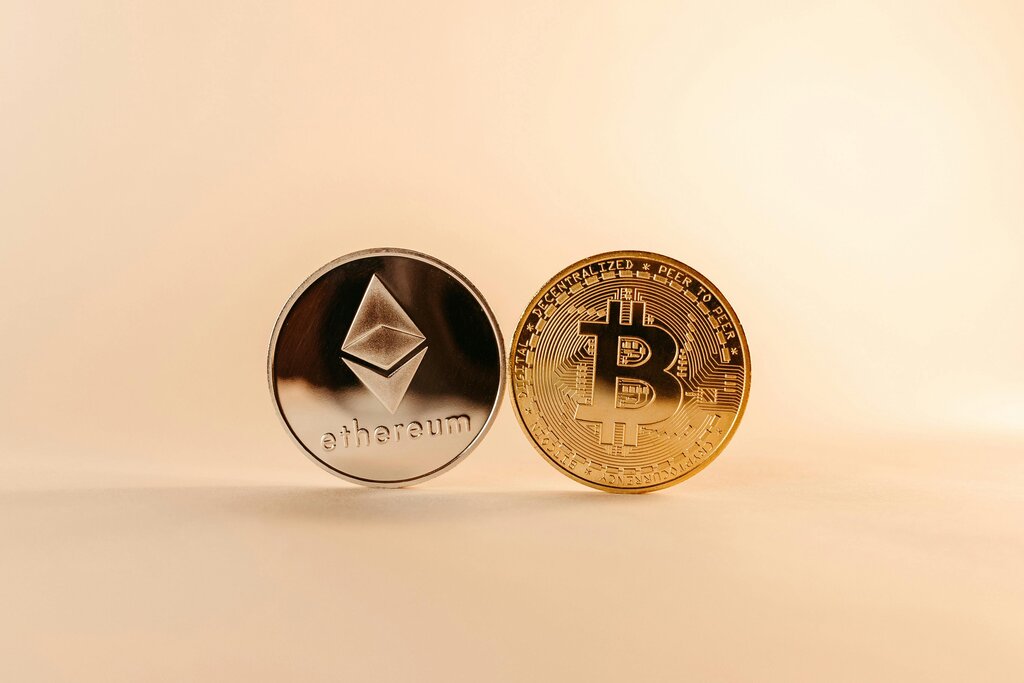
Ethereum (ETH) came along in 2015 and introduced a major innovation: smart contracts. These are self-executing contracts with the terms of the agreement written directly into code. This programmability makes Ethereum much more than just digital money. It's a platform for building decentralized applications (dApps) for everything from finance to gaming.
Other notable cryptocurrencies exist, each with a different focus, such as Ripple (XRP) for fast cross-border payments or Litecoin (LTC) as a 'lighter' version of Bitcoin. But understanding the fundamental difference between Bitcoin as digital cash and Ethereum as a programmable platform is a great starting point.
Now, let's test your understanding of these core concepts.
What is the defining feature of a cryptocurrency, setting it apart from traditional money like the US Dollar?
What technological innovation, introduced by Bitcoin, solved the critical 'double-spending' problem for digital money?