Cryptocurrency Trading Essentials
Introduction to Cryptocurrency
What Is Cryptocurrency?
Cryptocurrency is a type of digital money. Unlike the dollars or euros in your bank account, it doesn't exist in any physical form. It's purely virtual, secured by cryptography, which makes it nearly impossible to counterfeit or double-spend.
Think of it as digital cash that you can send directly to another person without a bank or credit card company in the middle.
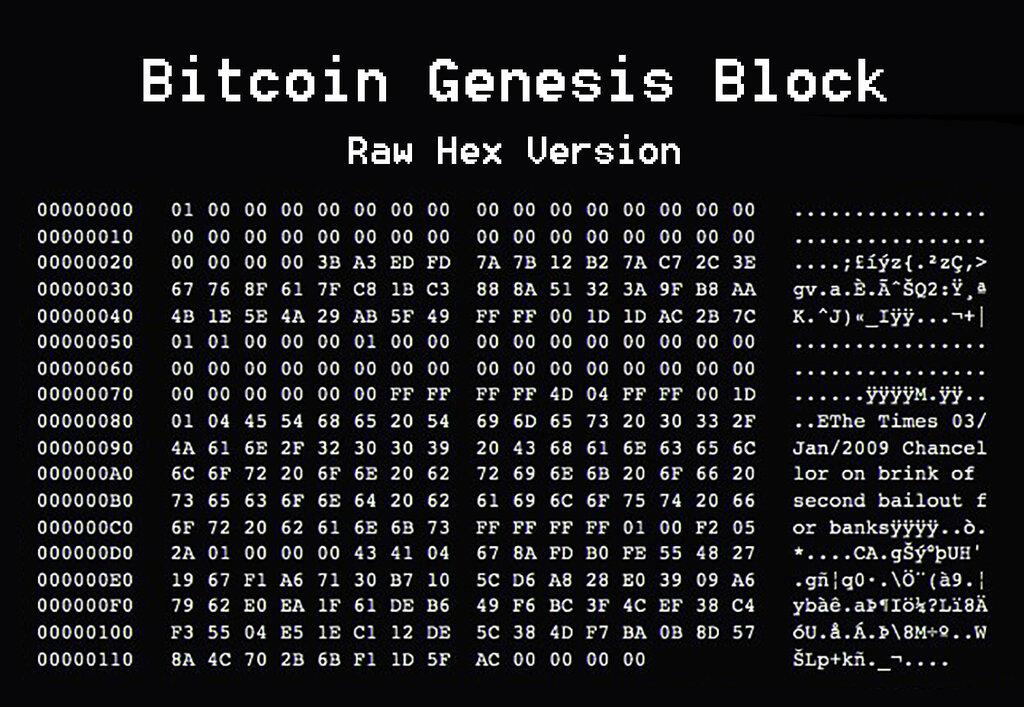
The story begins in 2009 with the creation of Bitcoin by an anonymous person or group known as Satoshi Nakamoto. Bitcoin was the first decentralized cryptocurrency, and its creation kicked off a revolution in digital finance. The very first block of Bitcoin, known as the Genesis Block, even contains a hidden message referencing a headline from a British newspaper.
The Technology Behind It
Most cryptocurrencies run on a technology called blockchain. A blockchain is a distributed ledger, which is a fancy way of saying it's a shared record book that's duplicated and spread across an entire network of computers. When a new transaction occurs, it's recorded in a "block," which is then added to the "chain."
Imagine a digital notebook that's shared among thousands of people. Every time someone adds a new page (a block), everyone gets the update. To change a page that's already been written, you'd have to convince more than half of the people to change their copy, which is practically impossible. This makes the blockchain incredibly secure and transparent.
Crypto vs. Traditional Money
The biggest difference between cryptocurrencies and traditional money, often called fiat currency (e.g., USD, EUR, JPY), is decentralization. Fiat currencies are centralized. They are issued and controlled by a central authority, like a country's central bank or government. This authority manages the money supply and validates transactions.
Cryptocurrencies, on the other hand, are typically decentralized. No single entity controls them. Instead, transactions are verified and new coins are created by a distributed network of computers, following a set of rules encoded in the system's protocol.

This leads to some fundamental differences.
| Feature | Cryptocurrencies | Fiat Currencies |
|---|---|---|
| Control | Decentralized (network) | Centralized (government/bank) |
| Issuance | Algorithmic (often limited) | By central authority (unlimited) |
| Form | Digital | Physical and Digital |
| Transparency | Often public ledger | Private (transactions not public) |
The Role of Cryptography
Cryptography is the secret sauce that makes cryptocurrencies secure. It's a method of protecting information through the use of codes, ensuring that only the intended recipients can read and process it.
In the world of crypto, this is achieved through pairs of cryptographic keys: a public key and a private key.
Your public key is like your bank account number. You can share it with anyone who wants to send you money.
Your private key is like your account password or PIN. It's secret, proves you own your digital money, and is used to authorize transactions. You should never share it with anyone.
When you send cryptocurrency, you use your private key to sign the transaction, creating a digital signature. This signature proves you are the owner of the funds and authorizes the transfer. The network then uses your public key to verify that the signature is authentic without ever needing to know your private key. This elegant system ensures that your funds are secure and that only you can access them.
What is the primary characteristic that distinguishes most cryptocurrencies from traditional fiat currencies like the US Dollar?
What is the name of the distributed ledger technology that most cryptocurrencies, including Bitcoin, are built upon?
These core concepts—digital money secured by cryptography, running on a decentralized blockchain—form the foundation of the entire cryptocurrency ecosystem.