Cryptocurrency Fundamentals
Introduction to Cryptocurrency
Digital Money, Different Rules
At its heart, a cryptocurrency is digital money. It's a form of currency that exists only in the digital world, designed to be securely sent between people over the internet without needing a middleman like a bank or government.
Cryptocurrency
noun
A digital or virtual currency that is secured by cryptography, which makes it nearly impossible to counterfeit or double-spend.
This independence from central authorities is a key feature called decentralization. Instead of one organization controlling the money supply and verifying transactions, the power is distributed among all the users on the network. This network maintains a shared, public record of every transaction, often called a blockchain. Think of it as a global receipt book that everyone can see, but no one can alter.
Security is another core principle. The "crypto" in cryptocurrency comes from cryptography, the science of encoding and decoding information. This complex coding is used to protect transactions and control the creation of new currency units, making them very difficult to fake.
The main idea is simple: a currency that is digital, secure, and not controlled by any single entity.
Where It All Began
The story of cryptocurrency starts in 2009 with the creation of Bitcoin. It was introduced by a person, or group of people, using the pseudonym Satoshi Nakamoto. To this day, no one knows their true identity. Nakamoto published a paper outlining a system for a "peer-to-peer electronic cash system."
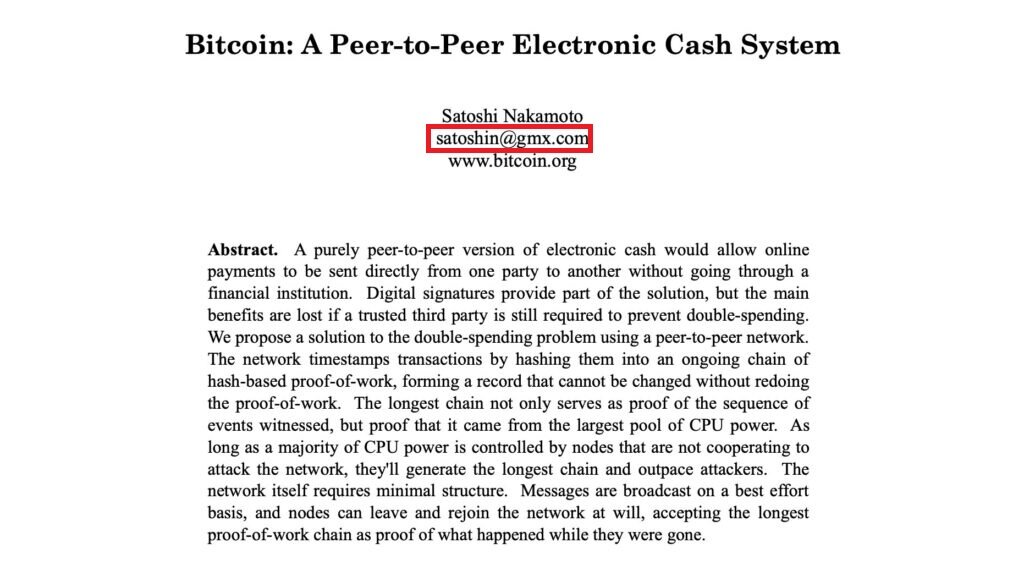
The timing was significant. Bitcoin emerged shortly after the 2008 global financial crisis, a time when trust in traditional banking systems was shaken. It offered a vision of finance that didn't rely on the institutions that many felt had failed.
For the first few years, Bitcoin was a niche interest for cryptographers and tech enthusiasts. But as more people became interested, its value grew, and the idea of digital currency started to catch on. This paved the way for an explosion of new cryptocurrencies, each trying to improve upon Bitcoin's design or serve a different purpose.
The Crypto Family
While Bitcoin is the original, thousands of other cryptocurrencies have been created. They are often grouped into a few main categories.
Bitcoin (BTC): The first and most well-known cryptocurrency. It was designed primarily as a store of value (like digital gold) and a means of exchange. Its main strength is its large, secure, and decentralized network.
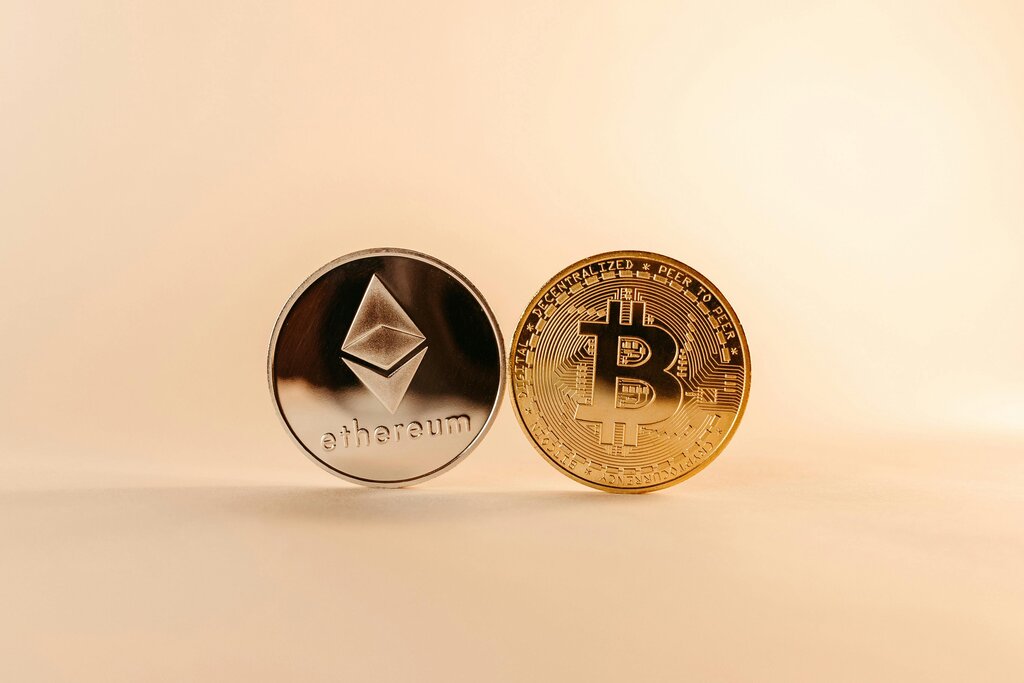
Ethereum (ETH): The second-largest cryptocurrency. Ethereum took the idea of a blockchain further. It's not just for tracking money; it's a platform for running decentralized applications (dApps). Think of it as a global, open-source computer that anyone can build on. This functionality enables things like smart contracts, which are self-executing contracts with the terms of the agreement directly written into code.
Altcoins: This is a catch-all term for any cryptocurrency that isn't Bitcoin. The name is short for "alternative coin." There are thousands of altcoins, each with different goals. Some aim to be faster or more private than Bitcoin. Others are tied to specific applications, like online gaming or file storage. Ripple (XRP), Litecoin (LTC), and Cardano (ADA) are all examples of popular altcoins.
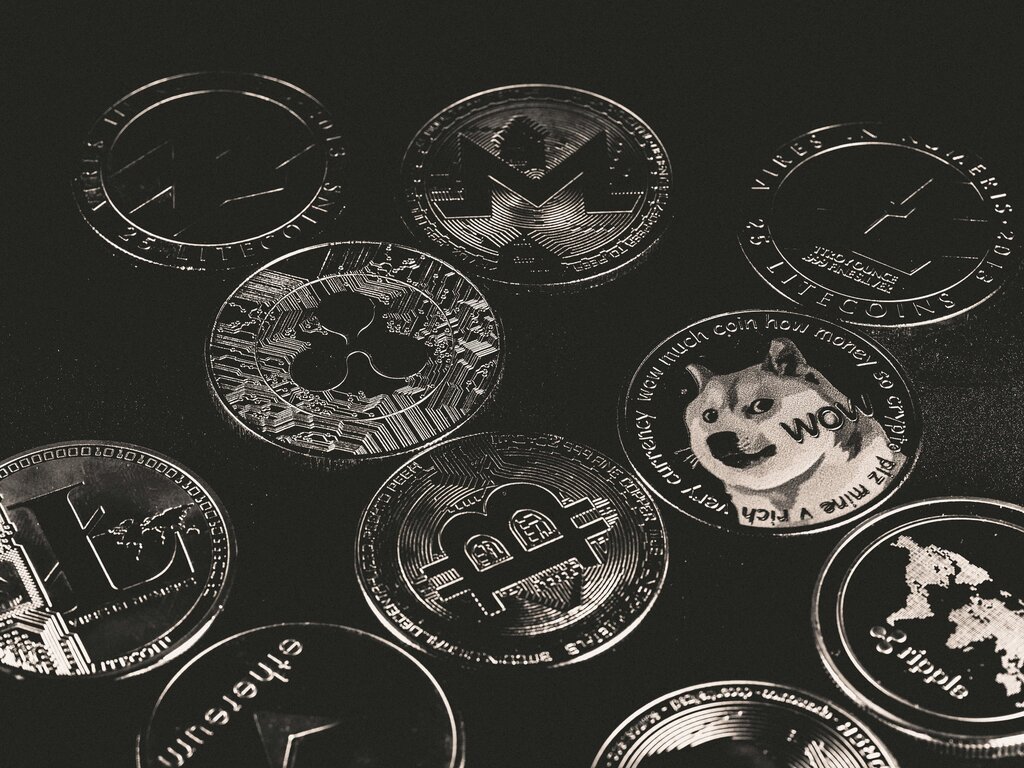
Together, these different types of digital currencies make up a diverse and rapidly changing ecosystem. They all share the core principles of decentralization and cryptographic security, but they apply them in unique ways to solve different problems.
What is the key feature of cryptocurrencies that separates them from traditional financial systems like banks?
The original paper for Bitcoin was published by a person or group known by what pseudonym?
From a single white paper in 2009 to a global phenomenon, cryptocurrency has introduced a fundamentally new way to think about money and value.