Cryptocurrency Fundamentals
Introduction to Cryptocurrency
Money Without a Middleman
At its heart, a cryptocurrency is digital money. It's a form of currency that exists only in the digital world, with no physical coins or bills. You can use it to buy things or send it to people, just like you would with dollars or euros, but with one huge difference: there's no bank or government in control.
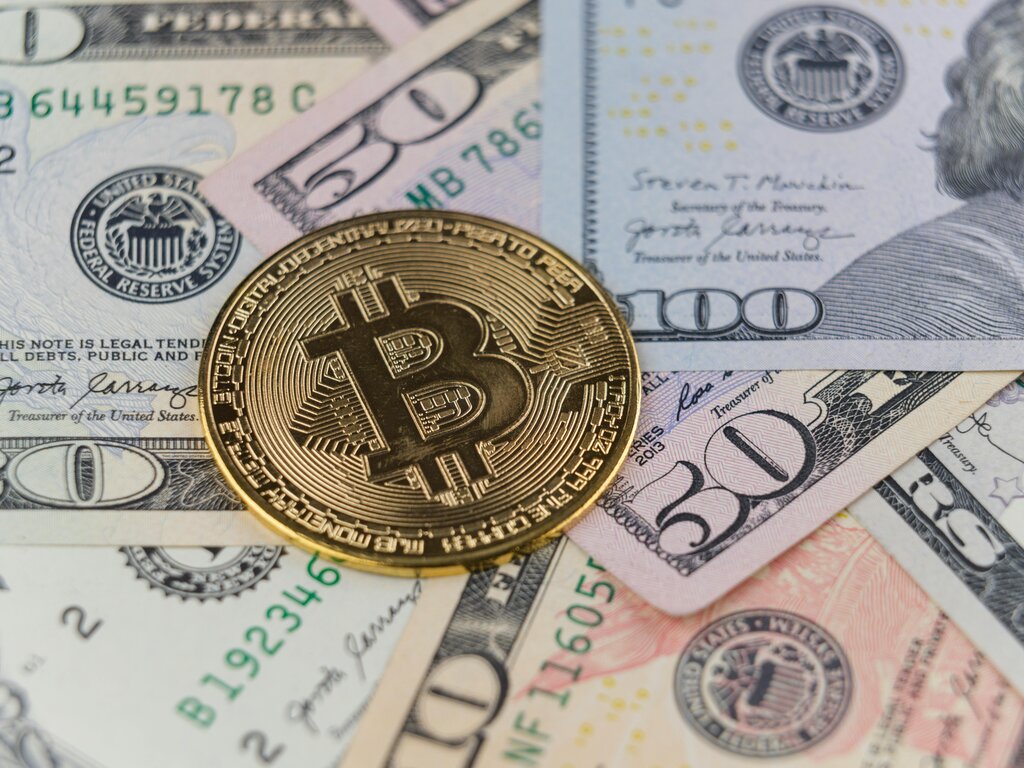
Think of it this way. When you pay a friend using a banking app, the bank is a trusted middleman. It checks your account, confirms you have the funds, removes the money from your balance, and adds it to your friend's. The bank keeps the official record, or ledger, of who owns what.
Cryptocurrencies were created to get rid of this middleman. The goal was to build a system where two people could exchange value directly, peer-to-peer, without needing a bank or payment processor to approve the transaction.
The core purpose of cryptocurrency is to create a secure, decentralized system for direct financial transactions.
The Road to Bitcoin
The dream of digital cash isn't new. In the 1980s and 90s, computer scientists and cryptographers experimented with the idea. Early projects like DigiCash tried to create electronic money that was private and secure. However, they all had a central point of failure. They were run by single companies, which meant they could be shut down or controlled.
The biggest challenge was the "double-spending problem." How could you stop someone from spending the same digital dollar twice? With physical cash, this is easy. Once you hand someone a $10 bill, you don't have it anymore. But with a digital file, you can make perfect copies. Without a central authority like a bank to keep track of every transaction, preventing digital counterfeiting seemed impossible.
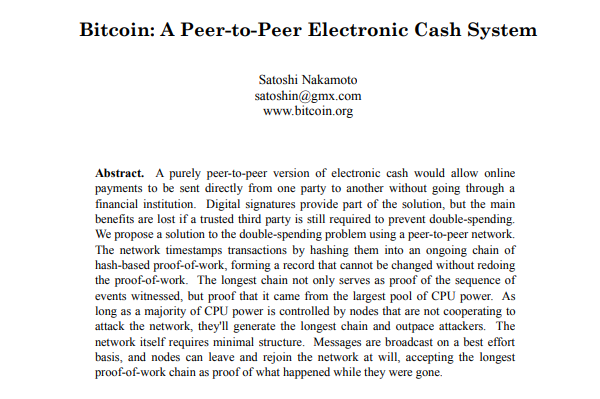
Then, in 2008, a person or group using the name Satoshi Nakamoto published a paper titled "Bitcoin: A Peer-to-Peer Electronic Cash System." It laid out a brilliant solution to the double-spending problem without needing a central server. This paper marked the birth of the first successful cryptocurrency, Bitcoin, which launched in 2009.
How It Works
So how did Bitcoin solve the puzzle? It combined a few key ideas, starting with cryptography.
Cryptography
noun
The art of writing or solving codes; the use of mathematical techniques to secure communication and information.
Cryptography is the science of secure communication. It uses complex math to encode and decode information, making it unreadable to anyone without the right key. Cryptocurrencies use these techniques to secure transactions and control the creation of new coins. Every transaction is like a message locked in a secure digital box that only the intended recipient can open. This ensures that funds can only be spent by their rightful owner.
This powerful use of math is what puts the "crypto" in cryptocurrency.
The other crucial piece is decentralization. Instead of one central ledger held by a bank, the transaction history is shared across a global network of computers. Everyone on the network has a copy of the same ledger. This distribution of power is the system's greatest strength.
To add a new transaction, network participants must agree that it's valid. This process of reaching an agreement is called a consensus mechanism. It's a form of digital voting where computers on the network work together to verify transactions and add them to the shared ledger. This makes the system incredibly resilient. To cheat the system, you'd have to overpower a majority of the computers on the network simultaneously, which is practically impossible.
By combining cryptography with a decentralized network and a consensus mechanism, Bitcoin created a way to have a secure, shared, and trustworthy digital currency system without any single entity in charge. It's a new kind of money, built on math and shared trust among its users.
What is the primary characteristic that distinguishes cryptocurrencies from traditional digital payment systems like banking apps?
What was the "double-spending problem" that early digital cash systems struggled to solve?