Cryptocurrency Fundamentals
Introduction to Cryptocurrency
What Is Cryptocurrency?
Cryptocurrency is a form of digital money. Unlike the dollars or euros in your bank account, it doesn't exist in any physical form. It's purely digital, a string of data that represents value.

The "crypto" part comes from cryptography, the practice of secure communication. Every transaction is scrambled using complex math, making them incredibly difficult to fake or alter. This security is the backbone of the entire system.
The main purpose of most cryptocurrencies is to allow people to send and receive payments directly, without needing a middleman like a bank or a credit card company. Think of it as a digital version of handing someone cash.
cryptocurrency
noun
A digital or virtual currency that uses cryptography for security and operates independently of a central bank.
The Road to Bitcoin
The idea of digital cash isn't new. Computer scientists have been trying to create it since the 1980s. Early attempts like DigiCash were promising, but they all shared a critical flaw: they were centralized. A single company controlled the system, which made it vulnerable.
They also struggled with a fundamental challenge of digital money: the double-spending problem.
With physical cash, double-spending is impossible. Once you give someone a 💲10 bill, you no longer have it. But with digital information, you can make perfect copies. How do you stop someone from spending the same digital 💲10 bill over and over again?
Banks solve this by keeping a central ledger of all transactions. If you send $10, they deduct it from your account and add it to the recipient's. But how could you solve this without a bank?
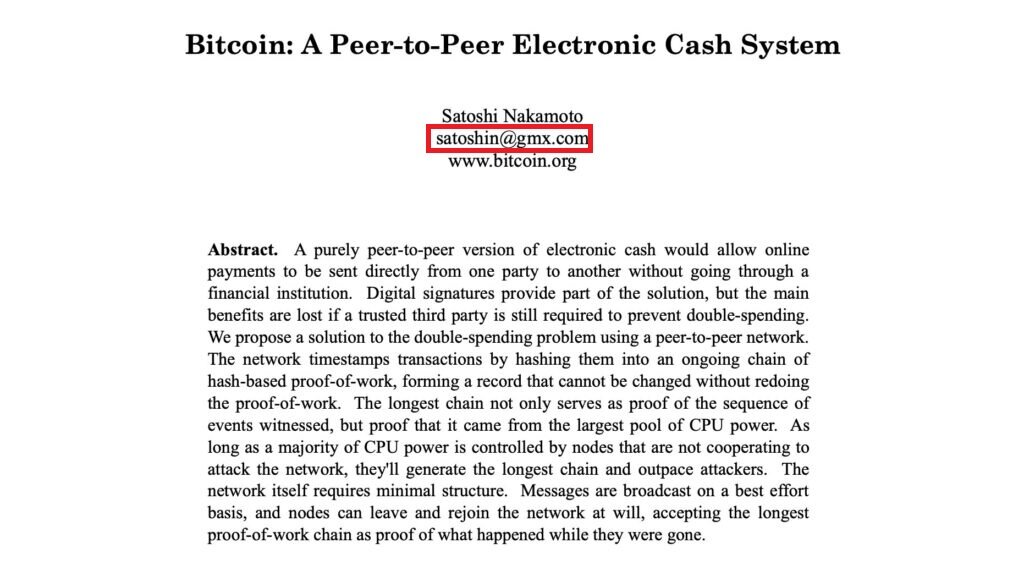
In 2008, a person or group using the name Satoshi Nakamoto published a paper called "Bitcoin: A Peer-to-Peer Electronic Cash System." It proposed a radical solution to the double-spending problem without needing a central authority.
The Power of Decentralization
Bitcoin's key innovation was decentralization. Instead of one central ledger held by a bank, the ledger is distributed across a global network of computers. Anyone can participate. This public ledger is called a blockchain.
In a centralized system, you have to trust the central authority. They set the rules, they can freeze your account, and if their servers go down, the whole system stops working. A decentralized network has no single point of failure and is not controlled by any one entity. Transactions are verified by the network participants themselves.
This structure gives cryptocurrencies some of their most defining features: they are global, censorship-resistant, and open to anyone with an internet connection. Bitcoin was the first, but thousands of other cryptocurrencies have since been created, each with different features and goals.
Now, let's test your understanding of these core concepts.
What is the primary problem that Bitcoin's decentralized ledger, the blockchain, was designed to solve?
In a decentralized system like Bitcoin, who is responsible for verifying and recording transactions?
This was a brief look into what cryptocurrency is and where it came from. The key takeaway is its shift from a centralized financial model to a decentralized one, enabled by cryptography.