Cryptocurrency Fundamentals
Introduction to Cryptocurrency
What Is Cryptocurrency?
Think about the money in your wallet or bank account. You can hold it, and a bank or government issues and manages it. Cryptocurrency is different. It's a purely digital form of money, meaning it only exists on computers. There are no crypto coins or bills you can carry around.
cryptocurrency
noun
A digital or virtual currency that uses cryptography for security, making it difficult to counterfeit.
The "crypto" part comes from cryptography, which is the science of encoding and decoding information. This is the key to what makes cryptocurrencies secure. Complex code and mathematical principles protect transactions and prevent people from spending money they don't have. Instead of a bank verifying transactions, a network of computers does the work.
A fundamental feature of cryptocurrencies is their decentralized nature.
A Quick History
The idea of digital cash had been around for decades, but it always hit the same roadblock: how to prevent someone from spending the same digital dollar twice? Without a central authority like a bank to check every transaction, it seemed impossible. This is known as the "double-spending problem."
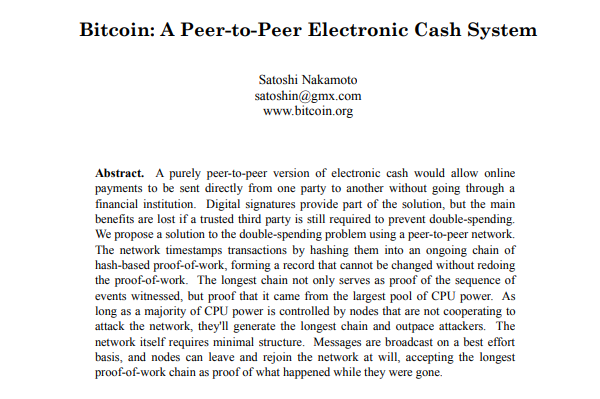
Then, in 2008, a paper titled "Bitcoin: A Peer-to-Peer Electronic Cash System" was published online. The author was a person or group named Satoshi Nakamoto, whose true identity remains a mystery. This paper laid out a clever solution to the double-spending problem.
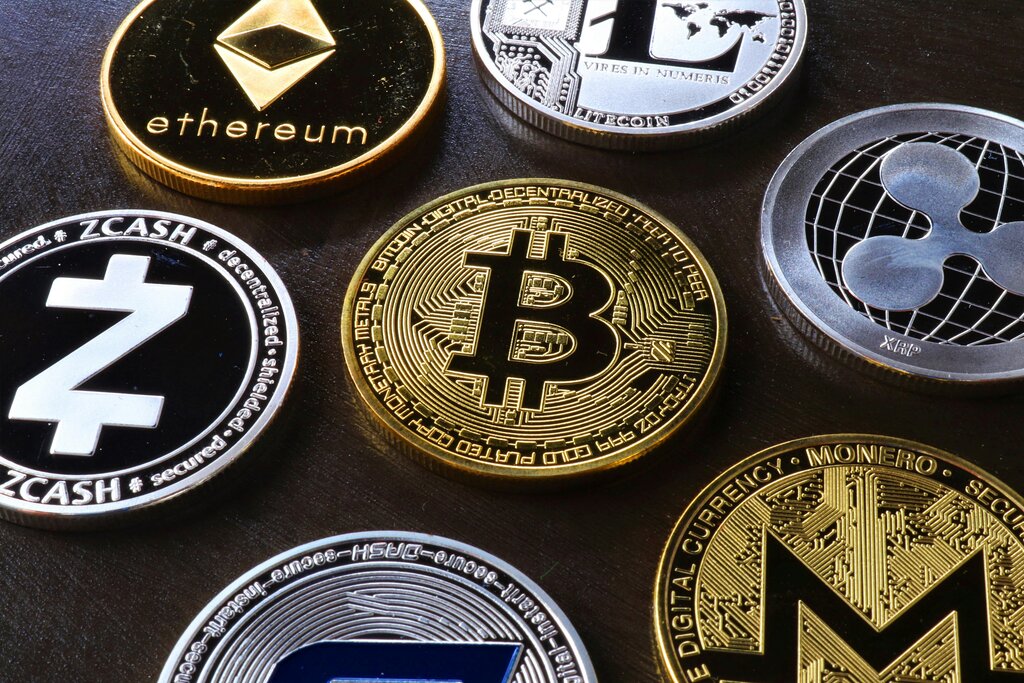
In January 2009, the Bitcoin network came into existence. It was the first successful cryptocurrency. For a few years, it was mostly a niche interest for cryptographers and tech enthusiasts. But it proved that a decentralized digital currency could work. Since then, thousands of other cryptocurrencies, often called "altcoins," have been created.
No Bank Required
The most revolutionary aspect of cryptocurrency is its decentralized, peer-to-peer nature. What does that mean?
Imagine you want to send a friend $20. With traditional money, you might use a banking app. Your bank talks to their bank, and the money moves between accounts. The banks are central intermediaries that process and approve the transaction.
With cryptocurrency, you send the funds directly to your friend's digital wallet. The transaction is broadcast to a global network of computers that work together to verify that the funds are legitimate and record the transfer. No single company, bank, or government is in charge. It's a peer-to-peer system, just like sharing a file directly with someone online instead of emailing it as an attachment.
By cutting out the middleman, cryptocurrencies allow for direct transfers of value between any two people, anywhere in the world.
This structure is designed to be transparent. While your real-world identity isn't tied to your transactions, the transactions themselves are typically public and can be viewed by anyone on the network. It's a unique blend of privacy and openness.
Why Does It Matter?
Cryptocurrency is more than just a new way to pay for things. It represents a potential shift in how we think about finance.
For one, it can make moving money cheaper and faster, especially across borders. International wire transfers can be slow and expensive, involving multiple banks. Cryptocurrency transactions can often be completed in minutes for a fraction of the cost.
It also offers a way for people without access to traditional banking services to participate in the global economy. All you need is a smartphone and an internet connection to send and receive cryptocurrencies. This could be a powerful tool for financial inclusion.

Of course, the technology is still young and comes with challenges. Prices can be extremely volatile, and the lack of regulation creates risks for users. Still, its core ideas of decentralization and user empowerment have the potential to change finance, online ownership, and more.
Now, let's test your understanding of these core concepts.
What is the primary characteristic that distinguishes cryptocurrency from traditional government-issued money?
The key innovation described in Satoshi Nakamoto's 2008 paper was a solution to what long-standing issue for digital cash?
Understanding these fundamentals is the first step into the world of digital currencies.