Cryptocurrency Fundamentals Explained
Introduction to Cryptocurrency
What is Cryptocurrency?
Think about the money in your bank account. You can use a debit card or an app to pay for things, but you're not physically handing over cash. In a way, you're already using a form of digital money. Cryptocurrency is a new kind of digital money, but with a few major differences. The biggest one is that no bank or government issues or controls it.
Cryptocurrency
noun
A digital or virtual currency that uses cryptography for security and operates independently of a central bank.
The "crypto" part of the name comes from the word cryptography, which is the science of securing communication. All transactions made with cryptocurrencies are secured using advanced cryptographic techniques. This makes them extremely difficult to counterfeit or tamper with. It's like sending a message in a secret code that only the intended recipient can read.
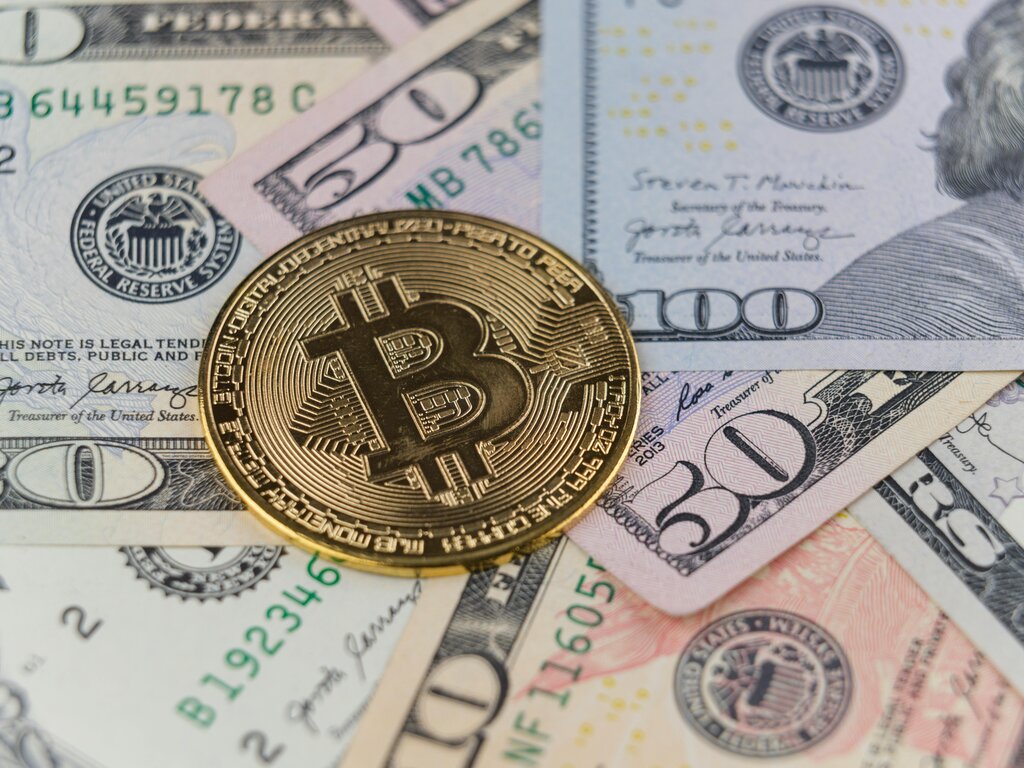
No Central Authority
In the traditional financial system, central authorities like banks and governments are in charge. They print money, set interest rates, and process your transactions. If you send money to a friend using a banking app, the bank acts as a trusted middleman, verifying and recording that transaction.
Cryptocurrencies do away with the middleman. They operate on a decentralized network of computers spread across the globe. This means control is distributed among all the users of the network rather than being concentrated in one place. When you send cryptocurrency to someone, the transaction is broadcast to this network, where it's verified by other users.
This decentralized structure means that no single person, company, or government can shut it down or control it. It also allows for transactions to happen directly between two people, anywhere in the world, without needing a bank's permission or paying hefty fees.
The First of Its Kind
The idea of digital cash has been around for decades, but it wasn't until 2009 that the first successful cryptocurrency was launched. In the wake of the 2008 financial crisis, a person or group using the pseudonym Satoshi Nakamoto released a white paper outlining a new system.
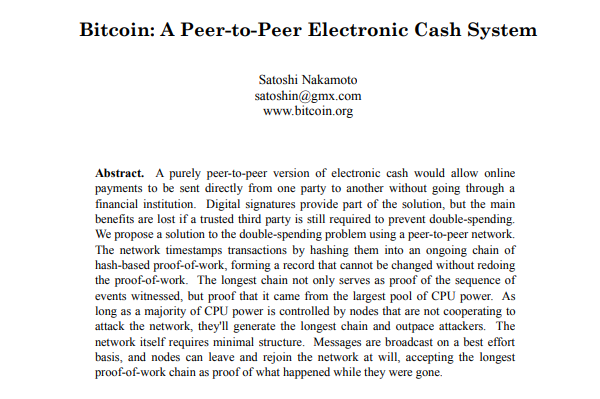
The paper was titled "Bitcoin: A Peer-to-Peer Electronic Cash System." It described a way to send money online directly from one person to another without a financial institution getting involved. Shortly after, the Bitcoin network went live, and the first bitcoins were created.
Bitcoin's creation was a landmark moment. It proved that a decentralized digital currency could work, inspiring the creation of thousands of other cryptocurrencies, often called "altcoins."