Cryptocurrency Fundamentals and Indian Regulations
Introduction to Cryptocurrency
What Is Cryptocurrency?
Cryptocurrency is a form of digital money. Unlike the dollars or euros in your bank account, it doesn't exist in a physical form. You can't hold a Bitcoin or an Ether coin in your hand the way you can a quarter. Instead, it exists entirely online, secured by a powerful technology called cryptography.
Cryptocurrency is a digital or virtual form of money that relies on cryptographic technology to secure transactions, control the creation of new units, and verify transfers.
The "crypto" in its name comes from this use of cryptography. Think of it as a complex digital lock and key system that protects transactions and prevents fraud. This makes it incredibly difficult to counterfeit or spend the same digital coin twice. Every transaction is a digital record, confirmed and secured by these cryptographic principles.

No Central Authority
One of the most important ideas behind cryptocurrency is decentralization. Traditional currencies, like the U.S. dollar, are centralized. They are issued and controlled by a central authority, like a government or a central bank. This institution manages the money supply and validates transactions.
Cryptocurrencies work differently. They operate on decentralized networks, meaning no single person, company, or government is in charge. The network is maintained by a global community of users.
This structure means you can send funds directly to someone else without needing a bank to approve the transaction. It's a peer-to-peer system. This design also makes the network very resilient, as there is no single point of failure that could bring it down.
A Brief History
The idea of a digital currency isn't new. Cryptographers were experimenting with concepts for electronic cash back in the 1980s and 90s. These early projects, like DigiCash, aimed to create secure and private online money, but they were still centralized and never achieved widespread adoption.
The real breakthrough came in 2008. An anonymous person or group known as Satoshi Nakamoto published a paper titled "Bitcoin: A Peer-to-Peer Electronic Cash System."
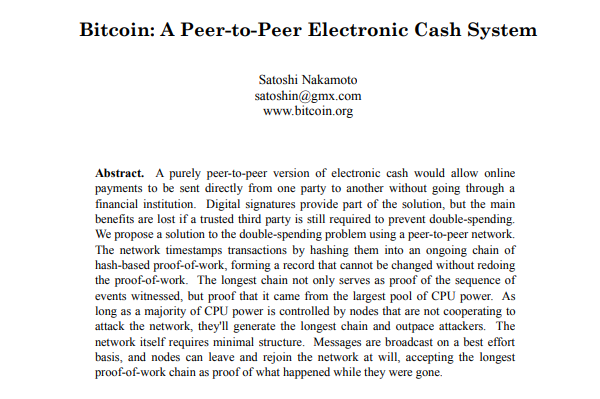
Nakamoto's proposal solved a key problem that had stumped earlier attempts: how to create a decentralized digital currency that couldn't be spent twice without a central authority to verify transactions.
In early 2009, the Bitcoin network went live, marking the birth of the first true cryptocurrency. For a few years, it was a niche interest for cryptographers and tech enthusiasts. But as more people recognized its potential, thousands of new cryptocurrencies, often called "altcoins," were created, each with different features and goals.
What does the 'crypto' in cryptocurrency primarily refer to?
What is the most significant difference between cryptocurrencies and traditional, government-issued currencies?