Cryptocurrency Fundamentals
Introduction to Cryptocurrency
What Is Cryptocurrency?
Cryptocurrency is a type of digital money. Unlike the dollars or euros in your bank account, it doesn't exist in any physical form. It's purely virtual. Think of it as internet-native money, secured by a powerful technology called cryptography.
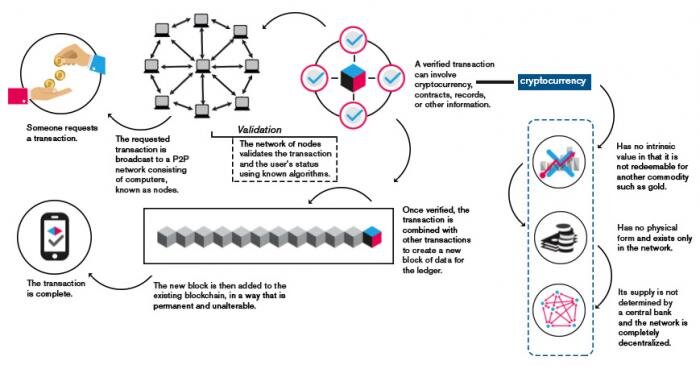
This cryptographic security makes it extremely difficult to counterfeit or double-spend. But what truly sets most cryptocurrencies apart is their decentralized nature. They aren't controlled by any single entity, like a government or a bank. Instead, transactions are recorded on a public digital ledger that is distributed across a vast network of computers. This gives users more control over their own funds.
In short, cryptocurrencies are typically decentralized, transparent, and secure.
A Brief History
While the idea of digital cash had been around for decades, the story of modern cryptocurrency begins in 2009. A person or group using the name Satoshi Nakamoto released a paper online detailing a new system for a "Peer-to-Peer Electronic Cash System." This system was called Bitcoin.
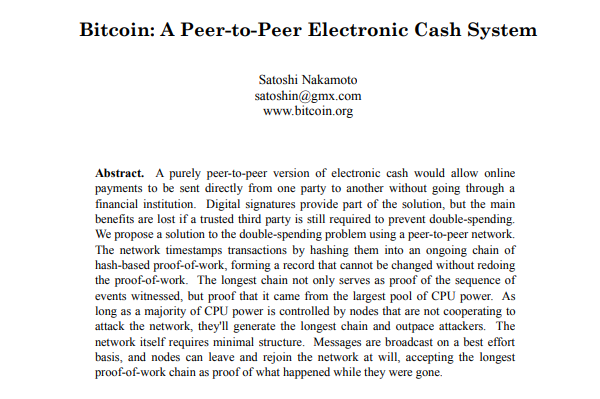
Bitcoin was the first decentralized cryptocurrency. For the first few years, it was mostly a niche interest for cryptographers and tech enthusiasts. But as more people became interested, new cryptocurrencies started to appear. These are often called "altcoins," as in, alternatives to Bitcoin. Each new coin tried to improve on Bitcoin's original design or serve a different purpose.
Meet the Coins
Today, thousands of different cryptocurrencies exist, but a few major players dominate the landscape.
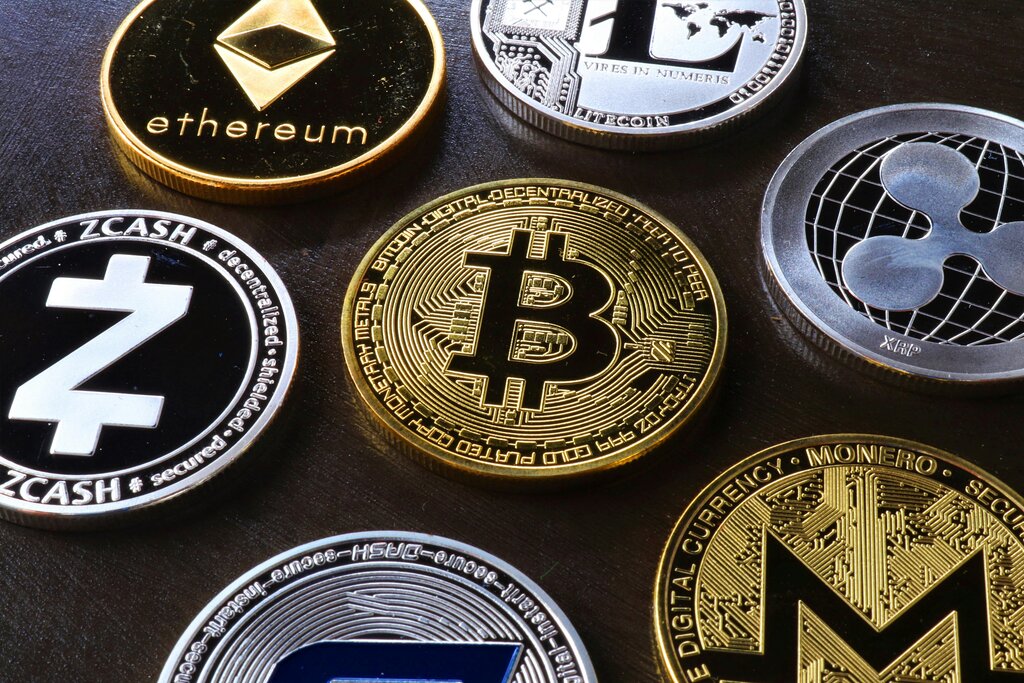
Bitcoin (BTC): The original and most well-known cryptocurrency. It was designed to be a store of value and a medium of exchange, much like digital gold.
Ethereum (ETH): Launched in 2015, Ethereum took the technology behind Bitcoin a step further. It's not just a digital currency; it's a platform that allows developers to build and run decentralized applications and "smart contracts," which are programs that automatically execute when certain conditions are met.
Litecoin (LTC): One of the earliest altcoins, created in 2011. It's very similar to Bitcoin but was designed to have faster transaction confirmation times. It’s often referred to as the "silver to Bitcoin's gold."
The Quest for Stability
One major challenge for cryptocurrencies like Bitcoin and Ethereum is volatility. Their prices can swing wildly from day to day, which makes them difficult to use for everyday purchases. If the $5 coffee you bought this morning costs $7 by the afternoon, it’s not a very reliable form of payment.
To solve this problem, a new type of cryptocurrency was created: the stablecoin.
Stablecoins are designed to maintain a consistent value. They achieve this by pegging their price to a real-world asset, most commonly a fiat currency like the U.S. dollar. For example, one unit of a dollar-pegged stablecoin aims to always be worth $1. This stability makes them much more suitable for transactions, savings, or transferring funds without worrying about sudden price drops.
Ready to check your understanding?
What is the core technology that secures cryptocurrency transactions and makes them difficult to counterfeit?
What is the primary feature that distinguishes Ethereum from Bitcoin?
This is just the beginning of the cryptocurrency world. We've covered the what, why, and who of digital currencies, setting the stage for more complex topics ahead.