Cryptocurrency Fraud Schemes
Introduction to Cryptocurrency
What Is Cryptocurrency?
At its core, cryptocurrency is digital money. Unlike the dollars or euros in your bank account, it doesn't exist in a physical form. It's purely electronic. The "crypto" part comes from cryptography, the practice of secure communication. This is what keeps transactions safe from prying eyes.

The story begins in 2009 with Bitcoin, the first-ever cryptocurrency. Its creator, known only by the pseudonym Satoshi Nakamoto, wanted to create a form of money that wasn't controlled by any government or bank. This idea of decentralization is a key feature of most cryptocurrencies.
The Technology Behind It
Cryptocurrencies run on a technology called blockchain. Think of a blockchain as a shared digital notebook that's duplicated and spread across a massive network of computers. Every time a transaction happens, it's recorded as a "block" of data. This block is then added to the end of the "chain."
Once a block is added, it's incredibly difficult to change. To alter a block, you would have to change every single block that came after it, across thousands of computers simultaneously. This makes the system extremely secure.
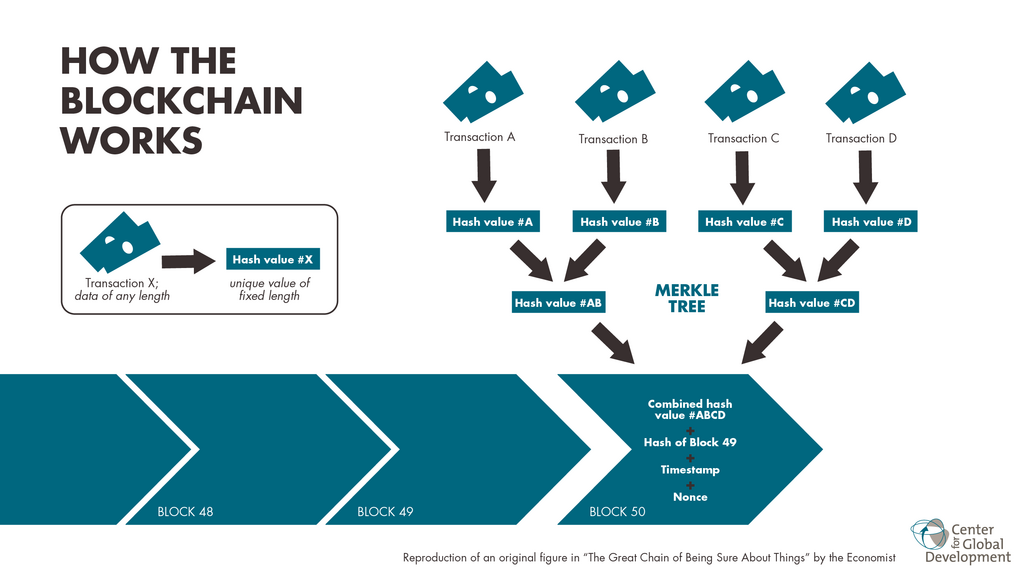
Because this digital notebook is shared and maintained by many users worldwide, no single person or entity is in charge. This is what we mean by decentralized. There's no central bank to approve transactions or print more money. The network itself validates everything, ensuring transparency and trust.
Meet the Majors
While thousands of cryptocurrencies exist, two dominate the landscape: Bitcoin and Ethereum.
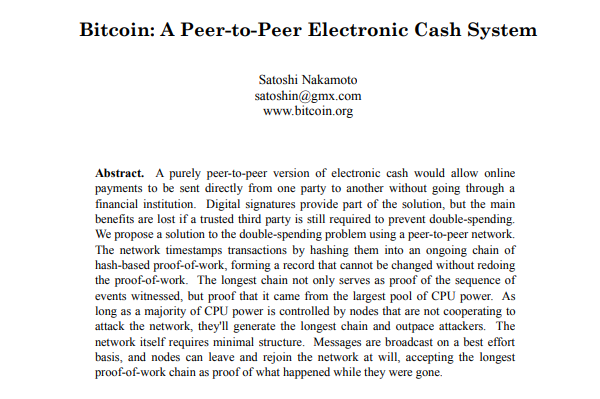
Bitcoin (BTC) was the pioneer. Its main goal, as laid out by Satoshi Nakamoto, was to be a "peer-to-peer electronic cash system." It's designed to be a store of value, similar to digital gold, and a way to send money without intermediaries.
Ethereum (ETH) came along later and expanded on Bitcoin's ideas. It's not just a digital currency. It's a platform that allows developers to build and run decentralized applications (dApps) and "smart contracts."
A smart contract is like a regular contract, but it's a program stored on the blockchain. It automatically executes when certain conditions are met, removing the need for a third-party enforcer like a lawyer or a bank. This programmability opens up a world of possibilities beyond simple transactions.

Let's review these core concepts before moving on.
Ready to check your understanding?
What is the core technology that most cryptocurrencies, like Bitcoin and Ethereum, are built on?
The primary goal behind the creation of Bitcoin, the first cryptocurrency, was to create a form of money that was...
Understanding these fundamentals—what cryptocurrency is, how blockchain works, and the roles of major players like Bitcoin and Ethereum—is the first step into this complex digital world.