Cryptocurrency Essentials
Introduction to Cryptocurrency
What Is Cryptocurrency?
At its core, a cryptocurrency is digital or virtual money. It exists only in a computer network, not in your physical wallet. The "crypto" part comes from cryptography, the complex encoding that secures transactions and controls the creation of new units.
Cryptocurrency
noun
A digital or virtual currency that uses cryptography for security, making it difficult to counterfeit.
Unlike the dollars or euros in your bank account, which are issued and managed by governments and central banks, cryptocurrencies are typically decentralized. This means they aren't controlled by any single entity. Instead, transactions are recorded on a public digital ledger that is distributed across a vast network of computers. This ledger is called a blockchain.
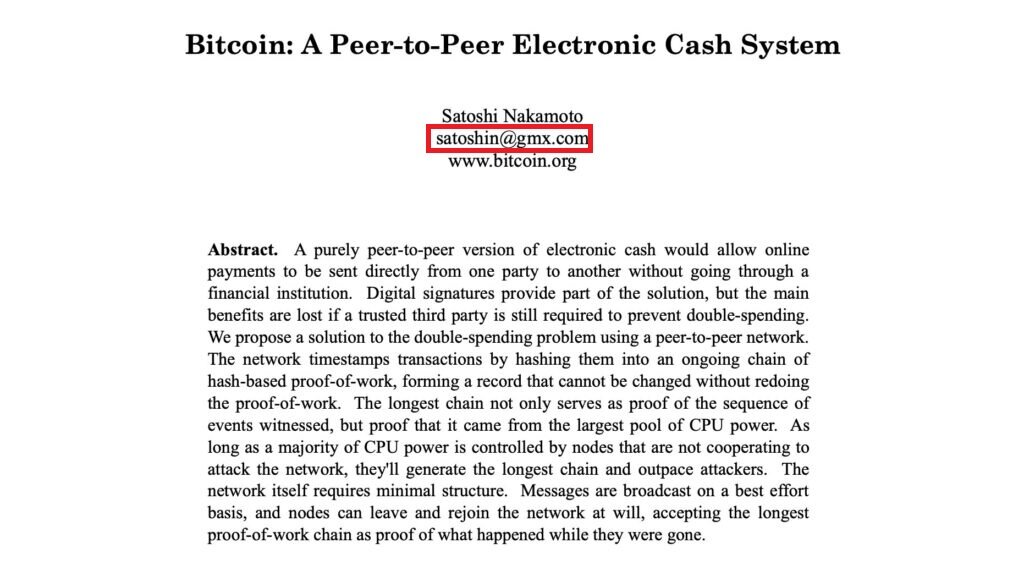
The idea of digital money isn't new. There were attempts in the 1990s, but they all relied on a central company to verify transactions. This created a single point of failure. If the company went down, so did the currency. In 2008, a person or group using the name Satoshi Nakamoto published a paper outlining a new system: Bitcoin. It was the first successful peer-to-peer electronic cash system that solved the problem of centralization.
Keys and Wallets
So how do you actually use cryptocurrency? It starts with a digital wallet. This wallet doesn't hold your money like a leather wallet does. Instead, it holds two crucial pieces of information: a public key and a private key.
Think of the public key like your bank account number. You can share it with anyone who wants to send you cryptocurrency. It's derived from your private key but can't be used to figure out your private key.
Your private key is like your bank account password or PIN. It's a secret code that proves you own your cryptocurrency and gives you the ability to spend it. You must keep this key safe and never share it. If you lose your private key, you lose access to your funds forever.
When you send crypto, you use your private key to sign the transaction, authorizing the funds to be moved from your wallet. The network then uses your public key to verify that the signature is authentic without ever needing to know your private key.
Why Decentralization Matters
The lack of a central authority is a defining feature of most cryptocurrencies. In the traditional banking system, a bank or payment processor sits in the middle of every transaction. They have the power to approve, deny, or even reverse payments.
In a decentralized system, this middleman is removed. Transactions are verified and added to the public ledger by a network of participants. This offers several benefits:
- Security: With the ledger distributed across thousands of computers, there is no single point of attack for hackers. Altering the transaction history would require simultaneously hacking a majority of the network, which is practically impossible.
- Transparency: Most cryptocurrency transactions are recorded on a public blockchain. Anyone can view the transaction history, which promotes transparency and accountability.
- Censorship Resistance: Since no single entity controls the network, no one can block or freeze your transactions. You have full control over your funds.
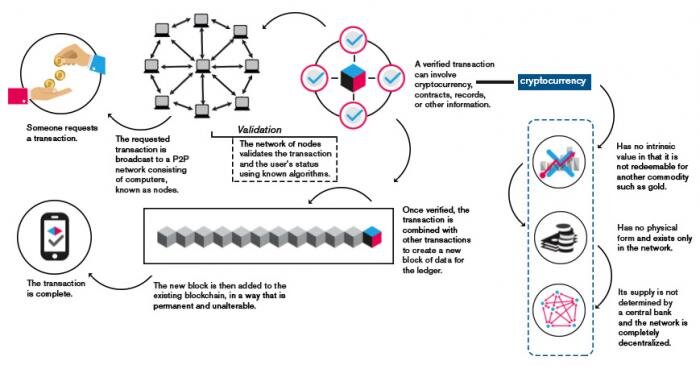
This structure creates a system that is robust, open, and resistant to control by any single party.
The Crypto Landscape
While Bitcoin was the first, thousands of other cryptocurrencies, often called altcoins, have since been created. Each one aims to improve upon Bitcoin's design or serve a different purpose.
Bitcoin (BTC) is the original and most well-known cryptocurrency. It's often referred to as digital gold because of its limited supply and its primary use as a store of value.
Ethereum (ETH) is the second-largest cryptocurrency. It's more than just digital money. Ethereum is a platform that allows developers to build and run decentralized applications (dApps) and smart contracts, which are self-executing contracts with the terms of the agreement directly written into code.
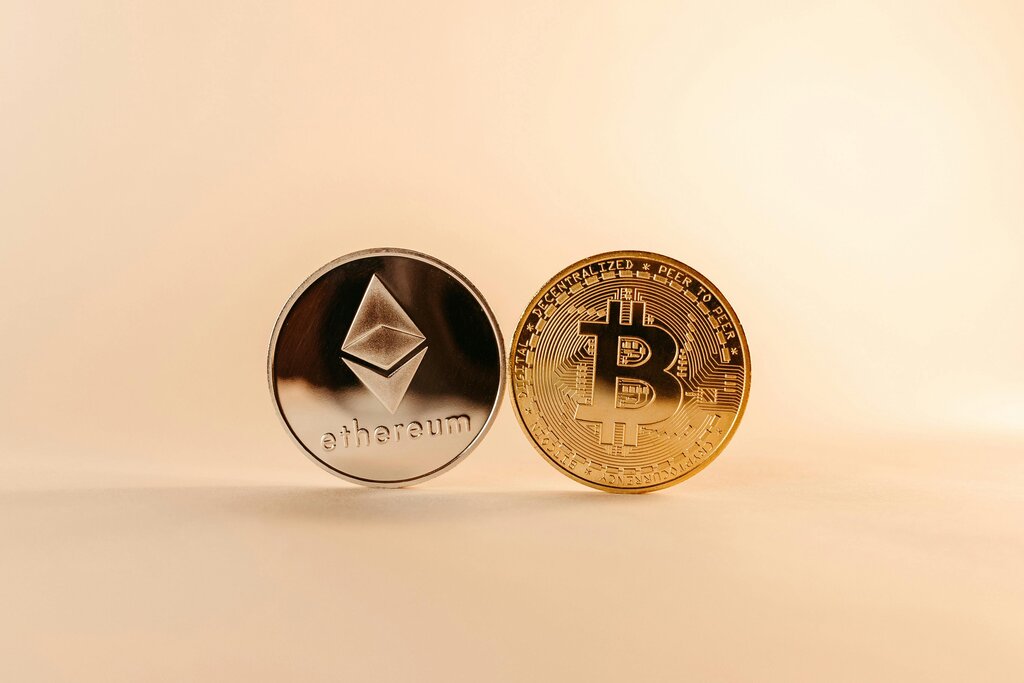
Beyond these two giants, there are many others like Ripple (XRP), designed for fast international payments, and Litecoin (LTC), which aims to be a faster, lighter version of Bitcoin. The world of cryptocurrency is vast and constantly evolving, but it all started with the simple idea of creating a secure, decentralized form of digital cash.
What is the primary role of a private key in a cryptocurrency transaction?
Which of the following best describes the concept of decentralization in cryptocurrency?