Cryptocurrency Essentials
Introduction to Cryptocurrency
What Is Cryptocurrency?
At its core, a cryptocurrency is digital money. It’s a form of currency that exists only in the digital world, with no physical coins or bills to carry around. You can use it to buy things or send it to people, just like the money in your bank account.
Cryptocurrency
noun
A digital or virtual currency that uses cryptography for security, making it difficult to counterfeit.
So what's the big deal? The main difference lies in how it's managed. Traditional currencies, like the U.S. dollar or the Euro, are controlled by central banks and governments. They decide when to print more money and set the rules. Cryptocurrencies are different because they are typically decentralized.
Decentralized means there is no single person, company, or government in charge. It’s run by a network of computers all over the world.
This structure is what makes cryptocurrency a unique alternative to the financial systems we use every day.

The Idea Before Bitcoin
The dream of a purely digital cash system isn't new. In the 1980s and 90s, computer scientists and cryptographers tinkered with the idea. They created early forms of electronic money, but they all ran into the same critical obstacle: the double-spending problem.
Imagine you have a digital file that represents one dollar. What stops you from making a copy of that file and spending it in two different places at the same time? With physical cash, this is impossible. Once you hand a dollar bill to someone, it's gone from your wallet. But in the digital world, copying files is easy. Solving this puzzle was the key to creating a workable digital currency.
The double-spending problem is the risk that a digital currency can be spent more than once, effectively creating fake money.
Then, in 2008, a person or group using the name Satoshi Nakamoto published a paper that proposed a solution. This paper introduced the world to Bitcoin.
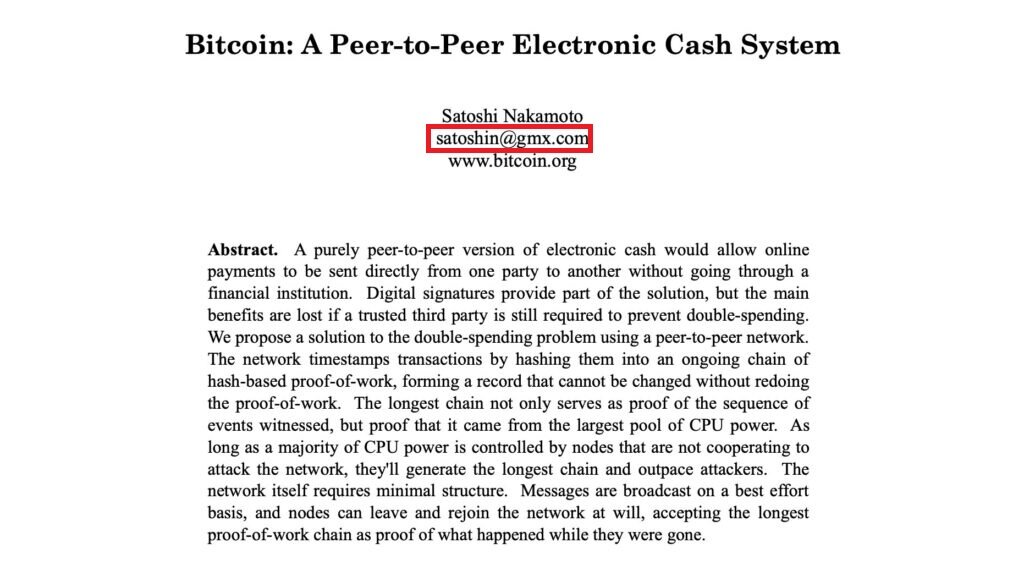
Nakamoto’s breakthrough was a system that could securely verify transactions without needing a central authority like a bank to check the books. It was the first successful cryptocurrency, kicking off the entire industry we know today.
How It Stays Secure
The name "cryptocurrency" gives a clue to how it works. It's a combination of "cryptography" and "currency." Cryptography is the art of secure communication, using codes to keep information private and safe.
Cryptocurrencies use advanced cryptographic techniques for a few key reasons:
- To secure transactions: When you send cryptocurrency to someone, the transaction is signed with a unique digital key. This proves you are the owner of the funds and that you authorized the payment.
- To control the creation of new units: The rules for creating new coins are programmed into the system's code and protected by cryptography, preventing anyone from making counterfeit currency.
- To protect the network: Because the entire system is decentralized, cryptography ensures that all participants have a consistent and unchangeable record of every transaction ever made. This shared record is often called a ledger.
Think of cryptography as the digital lock and key that keeps your funds safe and ensures the integrity of the entire network.
These principles of decentralization and cryptographic security are what give cryptocurrencies their power. They allow for a global financial system that operates outside the control of any single entity, secured by the power of mathematics.
What is the primary characteristic that distinguishes cryptocurrencies from traditional currencies like the U.S. dollar?
The "double-spending problem" was a critical obstacle for early digital money. What does it describe?
This is just the first step into a much larger world. Now that you understand the basic concept, you're ready to explore how this technology works in more detail.