Cryptocurrencies Demystified
Introduction to Cryptocurrencies
What Is Cryptocurrency?
Cryptocurrency is a type of digital money. Unlike the dollars or euros in your bank account, it isn't controlled by any central authority like a bank or a government. Instead, it exists on a global, decentralized network of computers.
Think of it like digital cash you can send directly to anyone in the world without a middleman.
This independence is possible because of two core technologies: cryptography and blockchain. They work together to make transactions secure and to control the creation of new currency units. Every transaction is like a secret message, locked with a complex code that only the intended recipient can open. This process ensures that funds can't be spent by anyone other than their rightful owner.
Cryptocurrency is a digital or virtual form of money that relies on cryptographic technology to secure transactions, control the creation of new units, and verify transfers.
The Technology Powering Crypto
The backbone of most cryptocurrencies is a technology called blockchain. Imagine a shared digital notebook that's duplicated and spread across thousands of computers. Every time someone makes a transaction, a new entry, or "block," is added to the notebook. This block is then linked to the one before it, creating a chain.
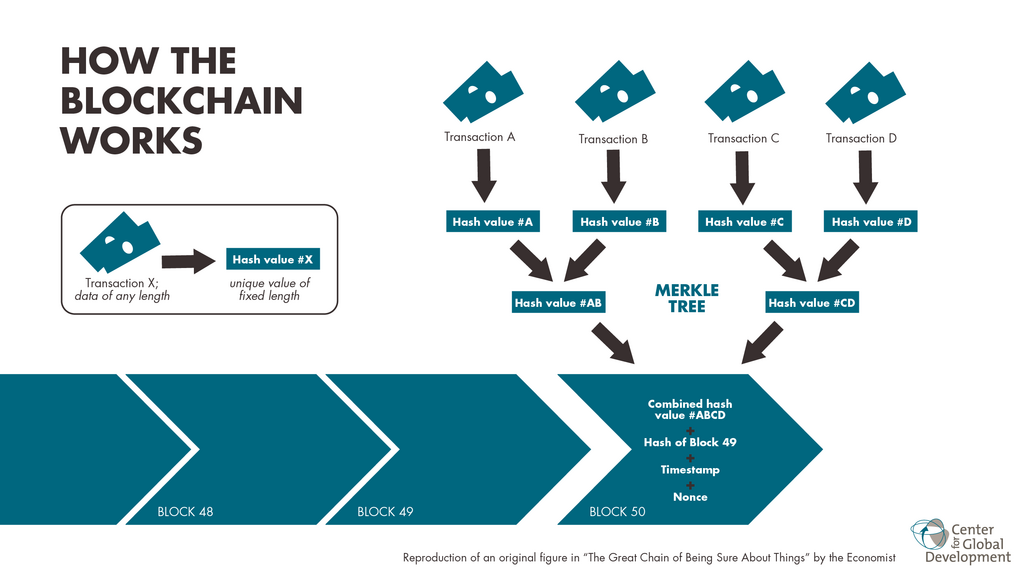
Because this notebook is shared by everyone on the network, it’s incredibly difficult to cheat. To alter a transaction, a hacker would need to change the entry on thousands of computers simultaneously, all while solving complex mathematical puzzles. This distributed and secure nature is what makes the blockchain so revolutionary.
Cryptography is the science of secure communication. In the world of crypto, it's used to create digital signatures and verify that transactions are authentic. It ensures that only the owner of a cryptocurrency can spend it, preventing fraud and theft.
Meet the Major Players
While thousands of cryptocurrencies exist, two have dominated the landscape: Bitcoin and Ethereum.

Bitcoin (BTC) was the very first cryptocurrency, created in 2009 by an anonymous person or group known as Satoshi Nakamoto. Its primary goal was simple: to create a peer-to-peer electronic cash system, allowing online payments to be sent directly from one party to another without going through a financial institution.
Ethereum (ETH) came along a few years later. It does everything Bitcoin does, but it's also programmable. This means developers can build and run decentralized applications (dApps) and "smart contracts" on its network. A smart contract is a self-executing contract with the terms of the agreement directly written into code. This programmability has made Ethereum a massive platform for everything from new financial tools to digital art.
| Feature | Bitcoin (BTC) | Ethereum (ETH) |
|---|---|---|
| Purpose | Digital Gold, Peer-to-Peer Cash | Platform for dApps & Smart Contracts |
| Launch Year | 2009 | 2015 |
| Key Innovation | The first decentralized digital currency | Programmable blockchain |
| Transaction Speed | Slower (approx. 10 mins per block) | Faster (approx. 12-15 secs per block) |
Many other cryptocurrencies exist, each with its own specific purpose. Some aim to be faster or more private, while others are designed for specific industries like finance or supply chain management. This diversity is a key feature of the crypto world.
Now, let's test what you've learned about the fundamentals of cryptocurrency.
What is the primary characteristic that distinguishes cryptocurrency from traditional currencies like the US Dollar?
In the context of cryptocurrency, what is a blockchain?
Understanding these basics is the first step into the world of digital currencies. You've learned what they are, the technology that powers them, and the key differences between the major players.