Crypto Trading Essentials
Introduction to Cryptocurrencies
What Is Cryptocurrency?
At its heart, a cryptocurrency is digital money. Unlike the dollars or euros in your bank account, it doesn't exist in a physical form. It's a purely digital asset that uses cryptography, a method of protecting information through complex codes, to secure transactions.
Cryptocurrency
noun
A digital or virtual currency that uses cryptography for security and operates independently of a central bank.
The most important feature of most cryptocurrencies is that they are decentralized. This means they aren't controlled by any single entity, like a government or a bank. Instead, transactions are verified and recorded by a network of computers spread across the globe.
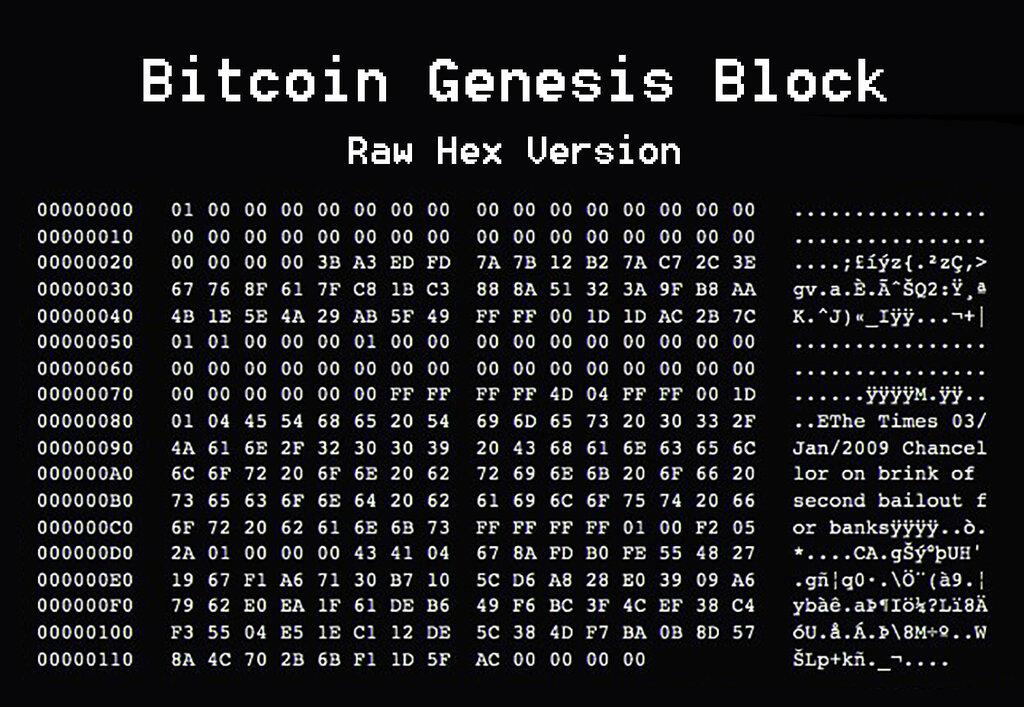
The story of cryptocurrency begins in 2009 with the creation of Bitcoin. It was introduced by a person or group using the pseudonym Satoshi Nakamoto. The goal was to create a new form of electronic cash that could be sent directly from one person to another without a financial institution getting in the middle.
The Magic of Blockchain
Cryptocurrencies don't just appear out of thin air. They run on a groundbreaking technology called the blockchain. It's the engine that allows them to work securely and without a central authority.
Think of a blockchain as a shared digital notebook. Everyone in the network has a copy, and all new entries must be agreed upon by the group before they're added.
Transactions are grouped together into 'blocks.' Each new block is cryptographically linked to the one before it, forming a 'chain.' This link is created using a hash, which is like a unique digital fingerprint for the data in the block. If someone tries to alter an old transaction, the hash of that block would change, which would break the link to all subsequent blocks. This makes the chain incredibly secure and tamper-proof. Because the ledger is distributed across thousands of computers, there is no single point of failure.
Meet the Major Players
While thousands of cryptocurrencies exist, two stand out for their influence and market size.

Bitcoin (BTC) is the original. Its primary purpose is to be a store of value and a medium of exchange, a decentralized alternative to traditional money. It has the largest market capitalization and is the most widely recognized cryptocurrency.
Ethereum (ETH) came next, launching in 2015. While it can be used as a currency like Bitcoin, its real innovation is its programmability. Ethereum allows developers to build and run 'smart contracts' and decentralized applications (dApps) on its blockchain. This has opened the door for everything from new financial tools to digital art.

All other cryptocurrencies are often referred to as 'altcoins.' They range from projects aiming to improve on Bitcoin's design to entirely new platforms with unique features.
| Feature | Bitcoin (BTC) | Ethereum (ETH) |
|---|---|---|
| Purpose | Peer-to-peer digital cash & store of value | Platform for smart contracts & dApps |
| Launched | 2009 | 2015 |
| Key Feature | Security and decentralization | Programmability and flexibility |
Now that you understand the core concepts, let's review with some flashcards.
Ready to check your knowledge?
What is the core technology that enables most cryptocurrencies to operate securely without a central authority?
The defining characteristic of most cryptocurrencies is their decentralized nature.
Understanding these fundamentals—what cryptocurrency is, how blockchain works, and the roles of major players like Bitcoin and Ethereum—is the first step into this new digital landscape.