Crypto Tech vs Hype
Introduction to Cryptocurrencies
What Is Cryptocurrency?
Cryptocurrency is a type of digital money. Unlike the dollars or euros in your bank account, it isn't controlled by any single company or government. It exists on a global, decentralized network of computers.
Think of it like a shared digital notebook. When you use a bank, the bank owns the notebook and keeps track of all transactions. With cryptocurrency, everyone on the network has a copy of the notebook. This shared ownership is what makes it decentralized.
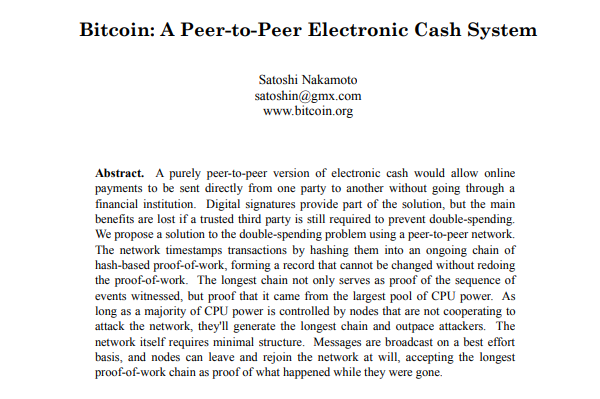
The first cryptocurrency, Bitcoin, was created in 2009 by an anonymous person or group named Satoshi Nakamoto. The goal was to create a peer-to-peer electronic cash system that didn't rely on traditional financial institutions. This idea laid the groundwork for thousands of other cryptocurrencies.
The Technology Behind It
Cryptocurrencies are built on a technology called blockchain. A blockchain is a growing list of records, called blocks, that are securely linked together using cryptography. Each block contains a batch of recent transactions.
Once a block is added to the chain, its data cannot be altered. Changing a block would change its unique cryptographic signature (its "hash"), which would break the link to all subsequent blocks. To successfully alter a transaction, a person would have to redo the work for that block and all the blocks after it, all while the rest of the network continues to build on the original chain. This structure makes the blockchain incredibly secure and transparent.
How It All Works
To use cryptocurrency, you need a digital wallet. This isn't a physical wallet, but a software program that stores your keys and allows you to send and receive digital currency.
Wallet
noun
A digital tool that allows users to access and manage their cryptocurrencies. It stores public and private keys, which are needed to send and receive funds.
Every wallet has two important pieces of information:
- A public key: This generates your wallet address, which is like your email address. You can share it with anyone to receive funds.
- A private key: This is like your password. It proves you own the funds in your wallet and is used to authorize transactions. You must keep this secret. If you lose it, you lose access to your money forever.
So, how are transactions verified and added to the blockchain? This is where "mining" comes in.
Mining is the process where powerful computers on the network compete to solve a complex mathematical problem. The first one to solve it gets to add the next block of transactions to the blockchain.
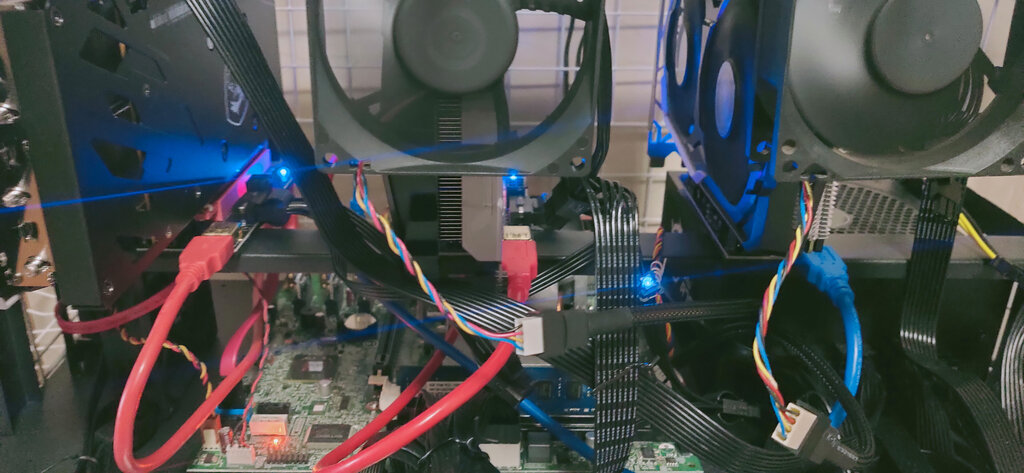
This process serves two purposes. First, it verifies the legitimacy of transactions. Second, as a reward for their computational work, the successful miner receives a certain amount of new cryptocurrency. This is how new coins are created and introduced into the system.
After a transaction is included in a block, it is confirmed and becomes a permanent part of the blockchain. While Bitcoin was the first, many other cryptocurrencies like Ethereum, Ripple, and Litecoin have since been created, each with different features and purposes.
Ready to test your knowledge?
What is the key characteristic that distinguishes cryptocurrency from traditional, government-issued money?
In a cryptocurrency wallet, which key is used to prove ownership and authorize transactions?
This covers the fundamentals of what cryptocurrencies are and how they operate. Understanding these core concepts of decentralization, blockchain, wallets, and mining is the first step to navigating the world of digital assets.