Crypto Tech vs Hype
Introduction to Cryptocurrencies
What Is Cryptocurrency?
At its heart, a cryptocurrency is a form of digital money. Unlike the dollars or euros in your bank account, it doesn't exist in a physical form and isn't controlled by a central authority like a bank or government. The 'crypto' part comes from cryptography, the practice of secure communication, which is used to protect transactions.
Think of it as a digital asset that uses an online, public ledger with strong cryptography to secure transactions.
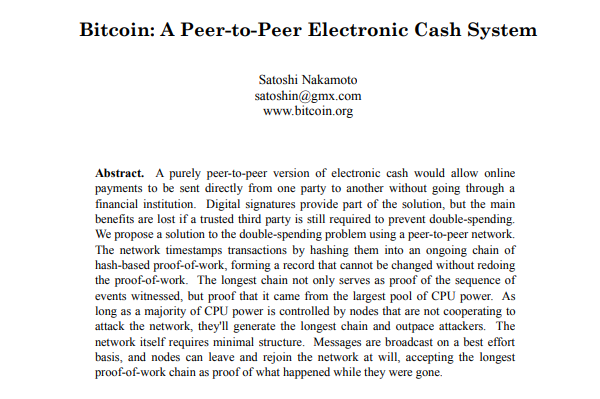
The story begins in 2009 with the creation of Bitcoin by an anonymous person or group known as Satoshi Nakamoto. The goal was to create a peer-to-peer electronic cash system, allowing online payments to be sent directly from one party to another without going through a financial institution. This idea of decentralization is fundamental to almost all cryptocurrencies that have followed.
The Technology Behind the Coins
Most cryptocurrencies run on a technology called blockchain. Imagine a shared digital notebook that is duplicated and spread across a vast network of computers. This notebook is the blockchain.
Blockchain is the foundational technology on which most cryptocurrencies are built.
When a transaction occurs, it's grouped with others into a 'block'. This block is then added to the end of the 'chain' in chronological order. Each new block contains a cryptographic link to the previous one, making the chain secure and resistant to tampering.
Because this digital notebook is shared across many computers, it’s transparent. Everyone on the network can see the transactions. It's also immutable, meaning once a block is added to the chain, it's incredibly difficult to alter. Changing a block would require changing all the subsequent blocks on most of the network’s computers simultaneously, which is practically impossible.
How Does Everyone Agree?
In a decentralized system without a boss, how does the network agree on which transactions are valid and which blocks to add to the chain? This is solved using a 'consensus mechanism'. It's a set of rules that all participants agree on to keep the blockchain synchronized and secure.
There are two primary types you'll encounter.
Proof of Work
noun
A consensus mechanism where participants (miners) compete to solve a complex mathematical puzzle. The first to solve it gets to add the next block to the blockchain and is rewarded.
Proof of Work (PoW) was the first consensus mechanism. Think of it as a race. Computers on the network, known as 'miners', compete to solve a complex computational puzzle. The winner gets to add the next block of transactions to the blockchain and earns a reward in cryptocurrency. This process requires significant computational power and energy, which is a major drawback.
Proof of Stake
noun
A consensus mechanism where participants (validators) are chosen to create a new block based on the number of coins they hold and are willing to 'stake' as collateral.
Proof of Stake (PoS) emerged as a more energy-efficient alternative. Instead of miners competing, participants called 'validators' lock up some of their coins as a stake. The network then chooses a validator to create the next block. The chance of being chosen is often proportional to the size of the stake. If a validator tries to cheat, they risk losing their staked coins. It’s like putting down a security deposit to ensure good behavior.
| Feature | Proof of Work (PoW) | Proof of Stake (PoS) |
|---|---|---|
| Method | Solving complex puzzles (mining) | Staking coins as collateral |
| Participants | Miners | Validators |
| Energy Use | Very High | Low |
| Security Model | Cost of computational power | Value of staked crypto |
Keeping It Secure
Cryptography is the backbone of cryptocurrency security. It protects user identities, secures transactions, and ensures the integrity of the blockchain.
One core concept is hashing. A hash function takes an input of any size and produces a unique, fixed-size string of characters. Even a tiny change to the input, like adding a comma, will create a completely different hash. This is how blocks are linked; each block contains the hash of the one before it, creating a secure chain.
Another key element is public and private keys. When you own cryptocurrency, what you really own is a private key. This key is a secret code that gives you access to your coins and allows you to authorize transactions. You also have a public key, which is derived from your private key and serves as your address for receiving funds. You can share your public key freely, but your private key must always be kept secret. If you lose your private key, you lose access to your funds forever.
Your public key is like your bank account number, which you can share with others. Your private key is like your account password, which you must never reveal.
These cryptographic principles work together with the blockchain and consensus mechanisms to create a decentralized system for transferring value that is secure and resistant to censorship.
Now, let's test your understanding of these fundamental concepts.
What is the primary purpose of a consensus mechanism in a cryptocurrency network?
In the context of blockchain, what makes the ledger 'immutable'?
Understanding these basics provides the foundation needed to explore the vast and evolving world of cryptocurrencies.