Crypto Tech vs Hype
Introduction to Cryptocurrencies
What Is Cryptocurrency?
Cryptocurrency is a type of digital or virtual money. Unlike the dollars or euros in your bank account, it isn't issued by a central authority like a government or bank. Instead, it relies on a technology called cryptography to secure transactions and control the creation of new units.
cryptography
noun
The art of writing or solving codes; the method of protecting information through the use of codes.
The idea of digital cash has been around for decades, but it wasn't until 2009 that it became a reality. A person or group using the pseudonym Satoshi Nakamoto released a paper outlining a system for a peer-to-peer electronic cash system. This system was called Bitcoin.
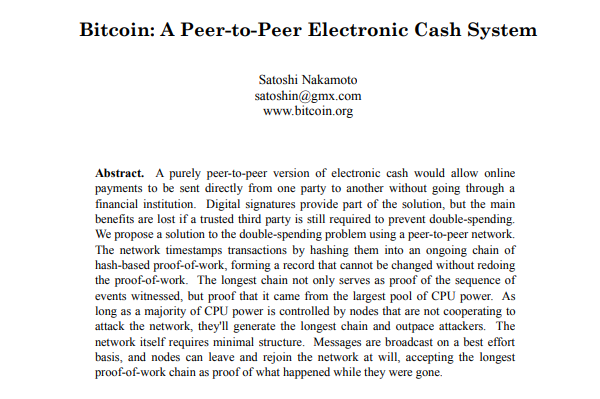
Bitcoin solved a critical problem for digital money: double-spending. Without a central authority to verify transactions, how do you stop someone from spending the same digital coin twice? The answer lies in its underlying technology, the blockchain.
The Technology Behind the Scenes
Think of a blockchain as a digital record book, or ledger, that is distributed across a vast network of computers. Every transaction that occurs is recorded as a "block" of data.
Blockchain is the foundational technology on which most cryptocurrencies are built.
Once a block is filled with transactions, it is added to the end of the chain. Each new block is cryptographically linked to the one before it, creating a secure and chronological chain. This structure is what gives blockchain its key properties:
- Decentralized: No single person or entity owns or controls it. It's maintained by a network of participants.
- Transparent: While user identities are pseudonymous, the transactions themselves are public and can be viewed by anyone.
- Immutable: Once a transaction is added to the blockchain, it is extremely difficult to alter or remove. Changing a block would require changing all subsequent blocks, which is computationally infeasible.
This public ledger ensures that everyone on the network agrees on the history of transactions, preventing fraud and double-spending without needing a traditional bank to act as a middleman.
More Than Just Bitcoin
Bitcoin was the first, but thousands of other cryptocurrencies have been created since. They generally fall into a few categories.
| Type | Description | Example(s) |
|---|---|---|
| Bitcoin | The original cryptocurrency. It's often referred to as digital gold due to its status and limited supply. | Bitcoin (BTC) |
| Altcoins | Short for "alternative coins," this category includes any cryptocurrency that is not Bitcoin. Many aim to improve on Bitcoin's design or serve different purposes. | Ethereum (ETH), Solana (SOL), Cardano (ADA) |
| Stablecoins | These cryptocurrencies are designed to have a stable value by being pegged to an external asset, like the U.S. dollar or gold. This reduces the price volatility common with other cryptos. | Tether (USDT), USD Coin (USDC) |
While Bitcoin's primary goal was to be a decentralized form of cash, other platforms, like Ethereum, expanded on the idea. Ethereum introduced smart contracts, which are self-executing contracts with the terms of the agreement directly written into code. This innovation paved the way for decentralized applications (dApps) and the field of decentralized finance (DeFi).

A New Role in Finance
Cryptocurrencies are changing how we think about money and finance. They offer a way to transfer value across the internet without an intermediary like a bank or payment processor. This can make transactions faster, cheaper, and more accessible, especially for international payments.
In some parts of the world with unstable traditional currencies, cryptocurrencies and stablecoins have become an alternative way to store wealth. They also enable new financial services through DeFi, offering lending, borrowing, and trading on open, decentralized platforms.
However, it's a young and evolving technology. The value of many cryptocurrencies can be extremely volatile, and the regulatory landscape is still taking shape globally. Understanding these fundamentals is the first step in navigating this new financial frontier.
Ready to test your knowledge? Let's see what you've learned.
What is the core technology that underpins most cryptocurrencies like Bitcoin, functioning as a distributed public ledger?
Who is the pseudonymous creator of Bitcoin?