Crypto Tech vs. Hype
Introduction to Cryptocurrencies
What Is Cryptocurrency?
At its core, a cryptocurrency is digital money. Unlike the dollars in your bank account, it doesn't exist in a physical form. It's purely digital, secured by a technology called cryptography, which makes it nearly impossible to counterfeit or spend twice.
Cryptography
noun
The use of codes and ciphers to protect information. In cryptocurrencies, it secures transactions and controls the creation of new coins.
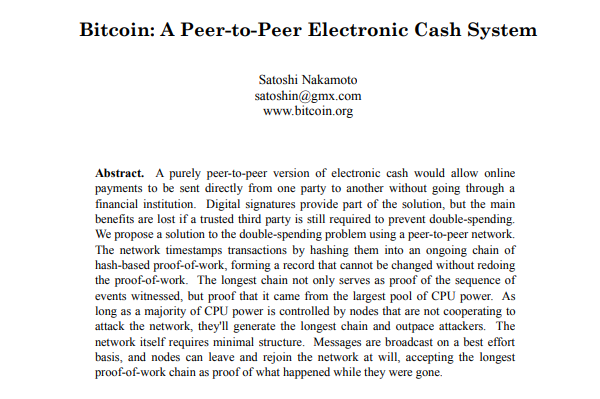
The story begins in 2009 with Bitcoin, the first and most famous cryptocurrency. It was created by a person or group using the pseudonym Satoshi Nakamoto. Nakamoto’s goal was to create a new kind of cash that could be sent directly from one person to another without needing a bank or financial institution in the middle. This idea of cutting out the middleman is known as decentralization, and it's a key feature of most cryptocurrencies.
Think about sending $100 to a friend. You might use a bank transfer or a mobile payment app. In both cases, a company processes the transaction. They verify it, record it, and have the power to stop it. Cryptocurrencies aim to change that by putting the users in control.
The Technology Behind the Scenes
So how does it all work without a bank? The magic ingredient is a technology called blockchain.
Blockchain is the foundational technology on which most cryptocurrencies are built.
Imagine a shared digital notebook that anyone can see but no one can alter. Every time a transaction happens, a new entry, or "block," is added to the notebook. This block contains details of the transaction, like who sent what to whom. Once a block is filled, it's linked to the one before it, creating a "chain." This chain is copied and distributed across thousands of computers worldwide. Because the ledger is shared everywhere, it’s incredibly difficult for anyone to cheat the system. To change one block, a hacker would need to change every single copy of the chain on thousands of computers simultaneously, which is practically impossible.

This decentralized structure is what gives cryptocurrencies their security and transparency. All transactions are public, but the identities of the people behind them are encrypted, providing a layer of privacy.
A Diverse Digital Zoo
While Bitcoin was the first, thousands of other cryptocurrencies have since been created. They generally fall into a few main categories.
| Type | Purpose | Example |
|---|---|---|
| Bitcoin | A decentralized digital currency, often seen as a store of value like digital gold. | Bitcoin (BTC) |
| Altcoins | Any cryptocurrency other than Bitcoin. Many offer new features. | Ethereum (ETH) |
| Stablecoins | Designed to have a stable value by being pegged to another asset, like the U.S. dollar. | Tether (USDT) |
Bitcoin remains the pioneer, primarily used as a peer-to-peer electronic cash system. Altcoins, or "alternative coins," came later. The most well-known altcoin is Ethereum, which introduced a game-changing innovation: smart contracts. These are self-executing contracts with the terms of the agreement written directly into code. This allows for the creation of decentralized applications (dApps) for things like finance, gaming, and art.
Finally, stablecoins address one of cryptocurrency's biggest challenges: price volatility. Because their value is tied to a stable asset, like the U.S. dollar or gold, their price doesn't swing as dramatically. This makes them more practical for everyday transactions.

Where Does Crypto Fit In?
Cryptocurrencies are starting to play a more significant role in the global financial ecosystem. For some, they offer a way to send money across borders quickly and cheaply, without the high fees charged by traditional banks. For others, they represent a new type of asset, a potential store of value in an increasingly digital world.
They also power the world of Decentralized Finance, or DeFi. DeFi aims to rebuild traditional financial services like lending, borrowing, and trading on the blockchain, making them open to anyone with an internet connection. This could potentially make financial services more accessible and efficient.
However, the space is still new and evolving. While it offers exciting possibilities, it's also associated with price volatility and regulatory uncertainty. Understanding the fundamentals of what cryptocurrencies are and how their underlying technology works is the first step in navigating this new frontier.
Time to check what you've learned.
What was the primary goal behind the creation of Bitcoin?
The technology that provides security and transparency for most cryptocurrencies by using a distributed, unchangeable ledger is called ______.
By understanding these basic concepts, you're better equipped to explore the dynamic world of digital currencies.