Crypto Tech vs. Hype
Introduction to Cryptocurrencies
What Is Cryptocurrency?
A cryptocurrency is a digital or virtual currency secured by cryptography, which makes it nearly impossible to counterfeit. Think of it like a digital token you can send to someone online without needing a bank or payment processor in the middle.
Many cryptocurrencies are decentralized networks based on blockchain technology—a distributed ledger enforced by a network of computers. This decentralization is a key feature. It means they aren't issued or controlled by any central authority, like a government or bank, making them theoretically immune to government interference or manipulation.

A Quick History
The idea of digital cash has been around for decades, but early attempts struggled with a critical problem: double-spending. How could you prevent someone from spending the same digital dollar twice without a central authority like a bank to verify transactions?
This problem remained unsolved until 2008, when a person or group using the name Satoshi Nakamoto published a white paper called "Bitcoin: A Peer-to-Peer Electronic Cash System." This paper introduced the world to Bitcoin, the first decentralized cryptocurrency.
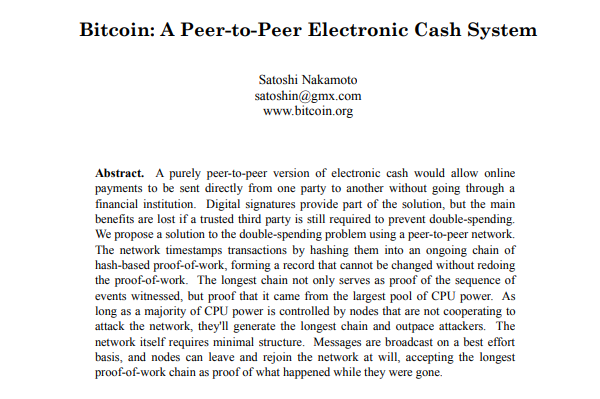
Nakamoto's solution was a revolutionary technology called the blockchain. It allowed for secure, verifiable transactions without any central oversight, solving the double-spending problem and paving the way for thousands of other cryptocurrencies.
The Technology Behind It All
At its most basic level, a blockchain is a digital ledger maintained by a decentralized network of computers.
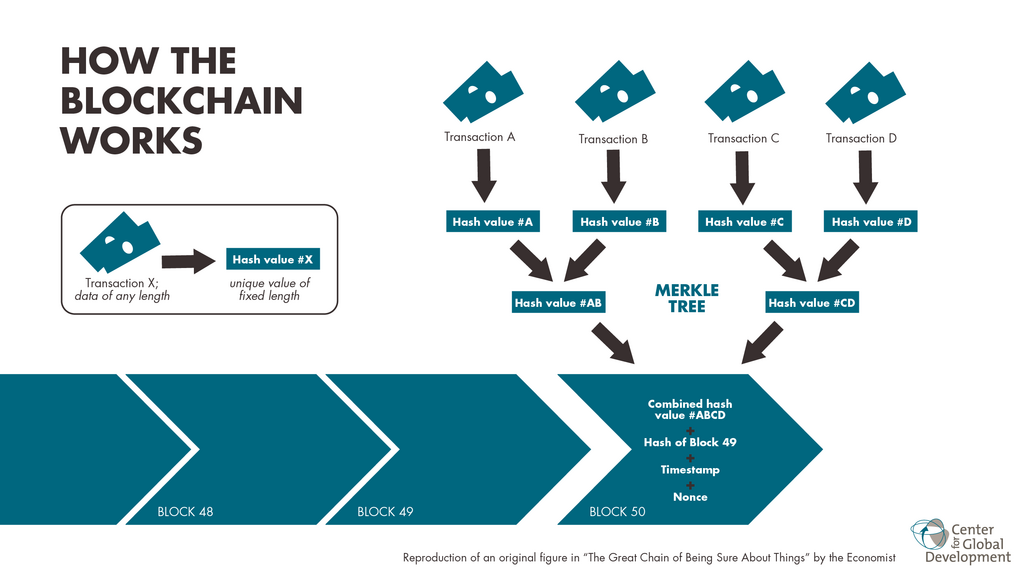
Imagine a shared digital notebook that is duplicated and spread across thousands of computers. This notebook is the blockchain, and every page is a "block." Each block contains a list of transactions.
When a new block of transactions is ready, it gets added to the end of the notebook, forming a chain. Each new block is cryptographically linked to the previous one, creating a secure and unchangeable record. If someone wanted to alter a transaction in an old block, they would have to change that block and every single block that came after it across the entire network—a practically impossible task.
decentralization
noun
The transfer of control and decision-making from a centralized entity (individual, organization, or group thereof) to a distributed network.
This decentralized structure is what gives cryptocurrencies their power. There's no single server to hack or company to shut down. The network is maintained by its users, making it resilient and transparent.
How It Stays Secure and Fair
Security is built into the very fabric of cryptocurrencies through several key principles. The first is cryptography, the practice of secure communication. Complex math problems are used to encrypt and verify transactions, ensuring they are authentic and can't be tampered with.
Another core concept is the peer-to-peer (P2P) network. Instead of a central server managing everything, the network is made up of individual computers (peers or nodes) that communicate directly with each other. They all work together to maintain the blockchain and validate transactions.
But if there's no boss, how does the network agree on which transactions are valid? This is achieved through a consensus mechanism. It's a set of rules that all the computers in the network use to agree on the state of the ledger.
The most famous one is Proof-of-Work (PoW), used by Bitcoin. In this system, nodes compete to solve a complex mathematical puzzle. The first one to solve it gets to add the next block of transactions to the blockchain and is rewarded with cryptocurrency. This process is often called "mining." It requires significant computational power, which helps secure the network by making it expensive and difficult for bad actors to attack.
Together, cryptography, P2P networks, and consensus mechanisms create a system for exchanging value that is secure, transparent, and resistant to control.
This covers the fundamentals. Now, let's test your understanding of these core concepts.
What is the primary role of cryptography in cryptocurrency?
The problem of a single digital token being spent more than once was solved by a technology introduced in the Bitcoin white paper. What is this technology called?
These are the building blocks for understanding how different cryptocurrency projects work. By grasping these basics, you're better equipped to explore this fascinating digital world.