Crypto Tech vs Hype
Introduction to Cryptocurrencies
What Is Cryptocurrency?
At its core, a cryptocurrency is a digital or virtual currency secured by cryptography, which makes it nearly impossible to counterfeit. Think of it as digital money that isn't issued by any central authority, like a government or bank. This key feature is called decentralization.
Instead of a central bank managing the money supply, cryptocurrencies operate on a distributed network, usually a technology called a blockchain. This means transactions are verified and recorded by a network of computers spread across the globe. This structure allows for peer-to-peer transactions directly between users, without needing a middleman like a bank.

A Brief History
The idea of digital cash has been around for decades, but it wasn't until 2009 that the first successful cryptocurrency, Bitcoin, was created. It was introduced by an anonymous person or group known as Satoshi Nakamoto.
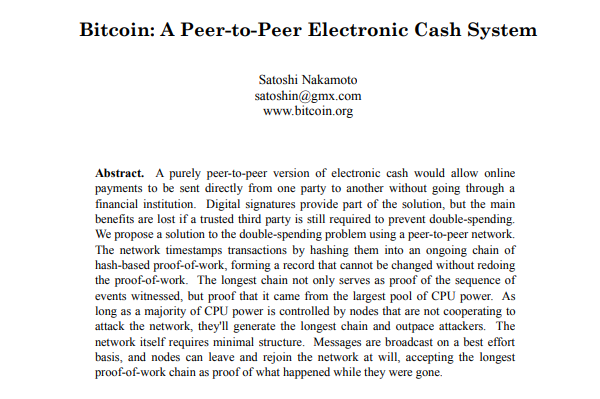
Nakamoto published a white paper in late 2008, in the wake of a major global financial crisis. This timing is significant, as many were losing faith in traditional financial systems. The paper, titled "Bitcoin: A Peer-to-Peer Electronic Cash System," outlined a way to create a decentralized digital currency that couldn't be controlled or devalued by a single entity.
On January 3, 2009, the Bitcoin network came into existence with the mining of the first block, known as the "Genesis Block." This block contained a hidden message referencing a newspaper headline about bank bailouts, signaling its creator's motivations. Bitcoin paved the way for the thousands of other cryptocurrencies that exist today.
The Technology Behind It All
Cryptocurrencies run on a technology called blockchain. You can think of a blockchain as a digital ledger or a notebook that's shared among many computers in a network. Every transaction is recorded as a "block" of data.
Each new block is cryptographically linked to the one before it, forming a chronological "chain." Once a block is added to the chain, it's incredibly difficult to alter. Because the ledger is distributed across many computers, no single person can change the transaction history without the consensus of the network. This makes the system transparent and secure.
New coins are created and transactions are verified through a process called "mining." Miners use powerful computers to solve complex mathematical problems. The first miner to solve the problem gets to add the next block to the blockchain and is rewarded with a certain amount of cryptocurrency. This reward incentivizes people to maintain the network.
Types of Cryptocurrencies
While Bitcoin was the first, it's far from the only type of cryptocurrency. Thousands have been created, and they generally fall into a few categories.
Bitcoin (BTC): The original cryptocurrency. It was designed as a decentralized store of value and a medium of exchange, often called "digital gold."
Altcoins: This term refers to any cryptocurrency other than Bitcoin. Some are minor variations of Bitcoin, while others are built on entirely new blockchains with different features. A prominent example is Ethereum (ETH), which introduced smart contracts—self-executing contracts with the terms of the agreement directly written into code. This allows developers to build applications on top of its blockchain.
Stablecoins: Cryptocurrencies are known for their price volatility. Stablecoins were created to solve this problem. Their value is pegged to a more stable asset, like the U.S. dollar or gold. This makes them more suitable for everyday transactions.
| Category | Example | Key Feature |
|---|---|---|
| Bitcoin | BTC | The first and most well-known cryptocurrency. |
| Altcoin | Ethereum (ETH) | Enables smart contracts and decentralized applications. |
| Stablecoin | Tether (USDT) | Value is pegged to the U.S. dollar to minimize volatility. |
The rise of cryptocurrencies has introduced new possibilities for the financial world. They offer a way to transfer value across borders quickly and with lower fees than traditional banking. They also provide financial services to people who may not have access to banks.
However, they also come with risks, including price volatility and security concerns. Understanding the fundamentals is the first step to navigating this evolving landscape.
What is the core technology that most cryptocurrencies, including Bitcoin, are built on?
Who is the pseudonymous creator of Bitcoin?