Crypto Tech vs Hype
Introduction to Cryptocurrencies
What is Cryptocurrency?
At its heart, a cryptocurrency is digital or virtual money. It exists only in the digital world, with no physical coins or bills to carry around. What makes it unique is the use of cryptography to secure transactions.
Cryptography
noun
The art of writing or solving codes. In cryptocurrency, it's used to protect information and verify transactions, ensuring that only the intended recipient can access the funds.
Unlike the money in your bank account, which is managed by a central bank or government, most cryptocurrencies are decentralized. This means they aren't controlled by any single entity. Instead, they operate on a global network of computers, making them transparent and resistant to censorship.

A Quick History
The idea of digital cash isn't new. For decades, computer scientists tried to create a form of electronic money that could be spent securely and anonymously. But they all struggled with a key problem: how to prevent people from spending the same digital coin twice without a central authority like a bank to verify everything.
Everything changed in 2008. An anonymous person or group known as Satoshi Nakamoto published a paper outlining a solution. In 2009, they released the software for Bitcoin, the world's first decentralized cryptocurrency. It solved the double-spending problem using a clever new technology.
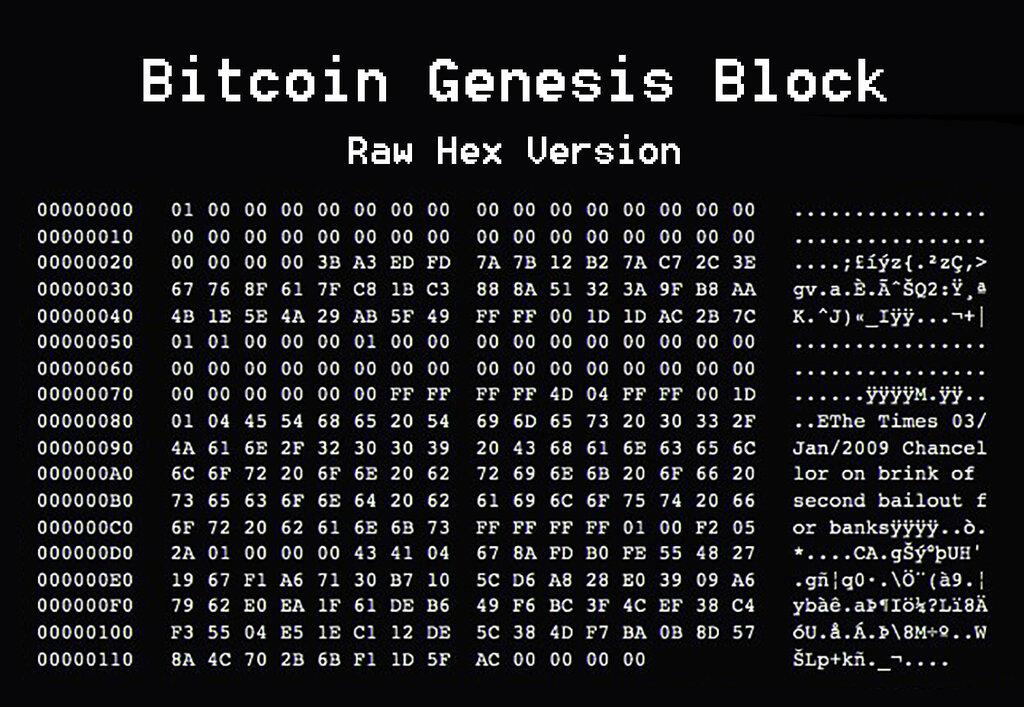
The Magic Behind It All: Blockchain
Blockchain is the foundational technology on which most cryptocurrencies are built.
The technology that makes Bitcoin possible is called the blockchain. You can think of it as a special kind of digital ledger or notebook that is shared among many computers around the world. When someone makes a transaction, it's recorded in this ledger.
Transactions are grouped together into "blocks." Each new block is cryptographically linked to the one before it, forming a "chain." This structure makes the ledger incredibly secure. Once a block is added to the chain, it's permanent and cannot be altered.
Because this ledger is distributed across thousands of computers worldwide, no single person or company controls it. This decentralization is what gives cryptocurrencies their power. It creates a system that is transparent, secure, and doesn't rely on trust in traditional financial institutions.
More Than Just Bitcoin
Bitcoin paved the way, but thousands of other cryptocurrencies have since been created. These are often called "altcoins," short for alternative coins. While they share basic principles with Bitcoin, many were designed for different purposes.
| Type | Primary Purpose | Examples |
|---|---|---|
| Bitcoin | A decentralized store of value and payment system | BTC |
| Altcoins | Improve on Bitcoin or serve new functions (e.g., smart contracts) | Ethereum (ETH), Solana (SOL) |
| Stablecoins | Maintain a stable value by pegging to a real-world asset | Tether (USDT), USD Coin (USDC) |
Ethereum is one of the most well-known altcoins. It introduced the concept of "smart contracts," which are self-executing contracts with the terms of the agreement directly written into code. This innovation opened up a whole new world of applications, from decentralized finance (DeFi) to digital collectibles (NFTs).
Another important category is stablecoins. Cryptocurrencies can be very volatile, with prices swinging wildly. Stablecoins solve this problem by pegging their value to a more stable asset, like the U.S. dollar. For every one stablecoin issued, there is (in theory) one dollar held in a bank reserve. This makes them useful for trading and transactions without the risk of price fluctuations.
While many see cryptocurrency as a speculative investment, its underlying technology has applications far beyond just money. It's being used to build more transparent supply chains, create new forms of digital identity, and even revolutionize voting systems.
Now that you have a basic understanding of what cryptocurrencies are and how they work, let's test your knowledge.
What is the core technology that underpins most cryptocurrencies like Bitcoin?
The primary problem that early forms of digital cash failed to solve, which was addressed by Satoshi Nakamoto's Bitcoin, was...
This is just the beginning of the crypto world. Understanding these core concepts is the first step to navigating this new financial landscape.