Crypto Tech vs. Hype
Introduction to Cryptocurrencies
What Is Cryptocurrency?
Cryptocurrency is digital money. Unlike the dollars or euros in your bank account, it doesn't exist in any physical form. It's purely virtual. The 'crypto' part comes from cryptography, the complex encoding that keeps transactions secure and anonymous.
Cryptocurrency
noun
A digital or virtual currency that uses cryptography for security, making it difficult to counterfeit. Many cryptocurrencies are decentralized systems based on blockchain technology.
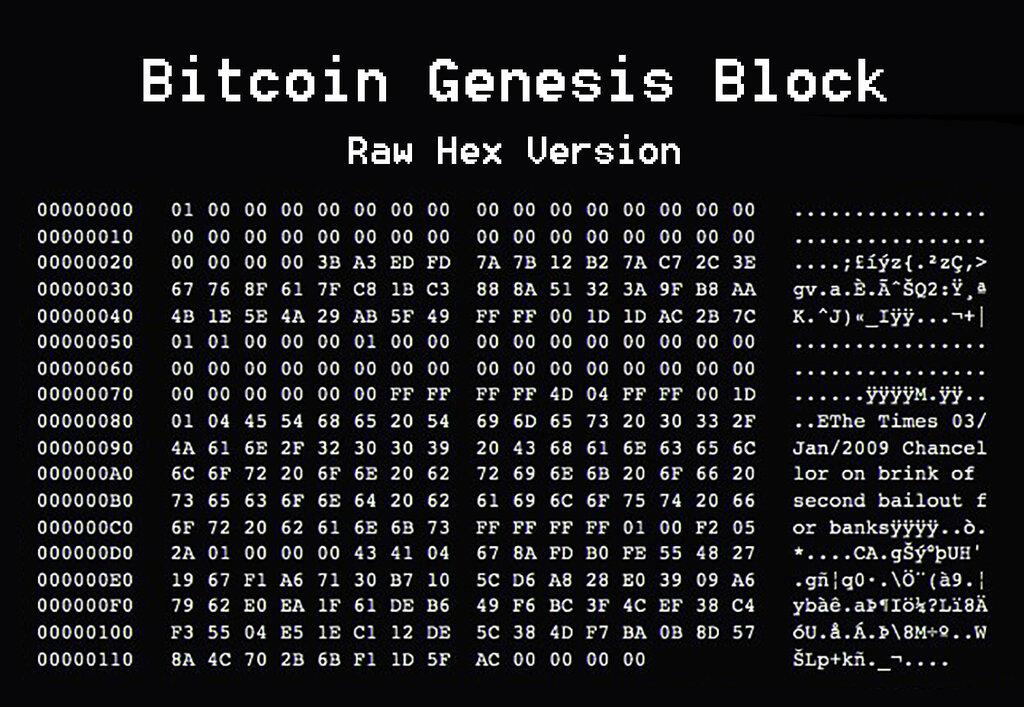
The story begins in 2009 with Bitcoin, created by an anonymous person or group known as Satoshi Nakamoto. The goal was to create a new kind of electronic cash system that didn't rely on traditional financial institutions like banks. This idea of decentralization is key. Instead of a central authority (like a government or bank) controlling the money supply and verifying transactions, the power is distributed among all the users on the network.
The Technology Behind It
So how does a decentralized currency work without a bank to keep track of everything? The answer is a technology called blockchain.
Blockchain is the foundational technology on which most cryptocurrencies are built.
Imagine a shared, digital ledger that's open for everyone to see. Every time a transaction occurs, it's recorded in a 'block'. This block contains the transaction details along with a unique code, or 'hash'.
Once a block is full, it's added to the end of a continuous chain of previous blocks. Crucially, each new block also contains the hash of the block before it. This creates a secure, interlocking chain. If someone tried to alter an old transaction, they would change that block's hash. This would break the link to the next block, and the discrepancy would be immediately obvious to everyone on the network. This structure makes the ledger incredibly difficult to tamper with.
Not Just Bitcoin
While Bitcoin paved the way, thousands of other cryptocurrencies have since been created. They generally fall into a few main categories.

First, you have altcoins, which is short for 'alternative coins'. These are any cryptocurrencies other than Bitcoin. The most famous altcoin is Ethereum. While it can be used as a digital currency, its main innovation is enabling 'smart contracts'—self-executing contracts with the terms of the agreement directly written into code.
Then there are stablecoins. Most cryptocurrencies are known for their price volatility. Their value can swing wildly from one day to the next. Stablecoins solve this problem by pegging their value to a more stable asset, like the U.S. dollar. This makes them more practical for everyday transactions.
| Type | Example(s) | Key Feature |
|---|---|---|
| Bitcoin | Bitcoin (BTC) | The original cryptocurrency; a store of value. |
| Altcoin | Ethereum (ETH) | Any crypto other than Bitcoin; often has different features. |
| Stablecoin | Tether (USDT) | Value is pegged to a stable asset, like a fiat currency. |
A New Role for Money
Cryptocurrencies are changing how we think about finance. They offer the potential for faster, cheaper transactions across borders without needing a bank as a middleman. For people in countries with unstable economies or who lack access to traditional banking, cryptocurrencies can provide a vital alternative.
The world of Decentralized Finance, or DeFi, is built on this idea. It uses cryptocurrency and blockchain technology to offer financial services—like lending, borrowing, and trading—without any central authority. It's an open financial system accessible to anyone with an internet connection.
However, it's important to remember that the cryptocurrency market is new and highly speculative. Prices can be extremely volatile, and the technology is still evolving.
Before we wrap up, let's test your knowledge on these core concepts.
What is the primary function of blockchain technology in cryptocurrency?
The anonymous creator, or creators, of Bitcoin are known by what name?
From blockchain to stablecoins, we've covered the essential building blocks of the crypto world. These concepts are the foundation for understanding this new financial landscape.